The Al-Qaeda-affiliated terror group Al-Shabaab has issued explicit threats against Israel after Israel became the first country to formally recognize Somaliland as an independent state on December 26, 2025.
In a statement released via its media channels, Al-Shabaab spokesman Ali Rage (also known as Ali Dhere) vowed that the group would lead a "jihad" to defend Somali territory and religion from "Zionist interests" in northern Somalia, specifically warning against any Israeli attempts to claim or utilize land in Somaliland.
Somaliland, a breakaway region in northern Somalia that declared independence in 1991 following the collapse of the Somali central government, has operated as a de facto independent entity with its own government, currency, and military but lacked international recognition until Israel's move.
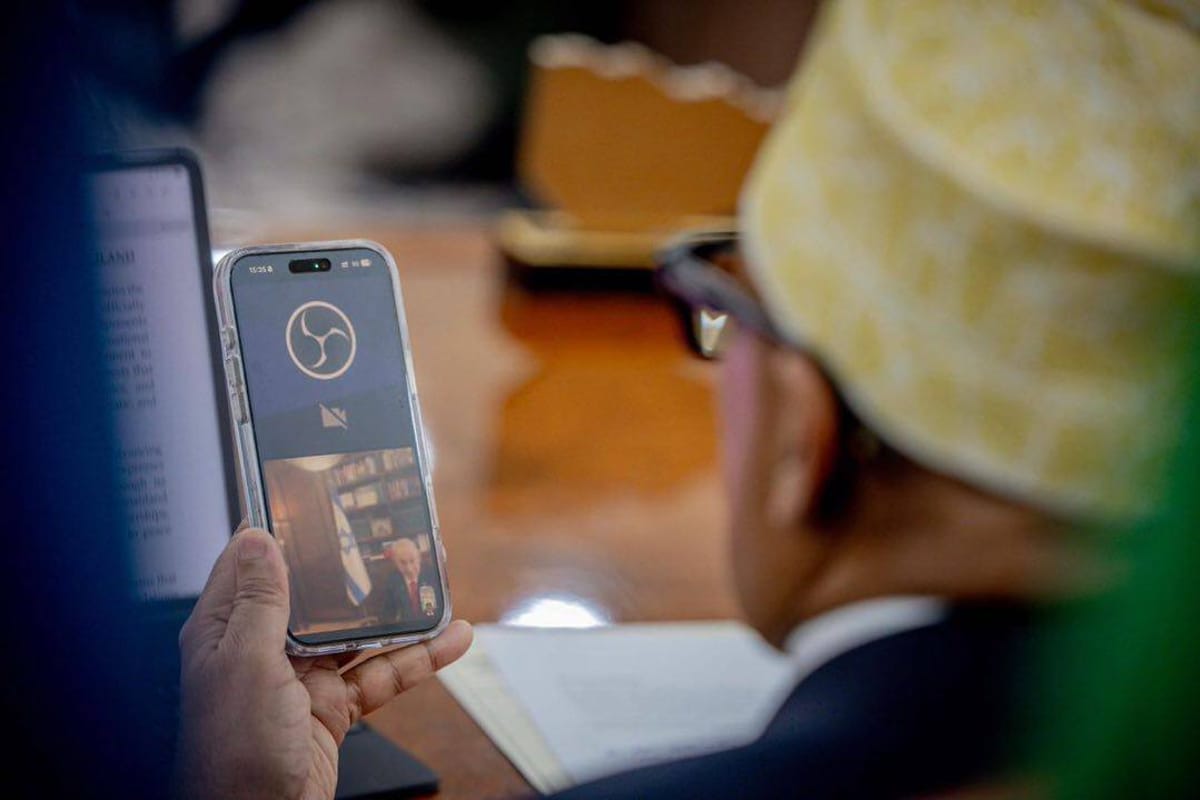
Israel's decision, announced by Prime Minister Benjamin Netanyahu, includes establishing full diplomatic relations and has been framed as a strategic step to counter Iranian influence in the Red Sea region, potentially involving military cooperation or basing rights.
Somaliland's President Muse Bihi Abdi welcomed the recognition, calling it a "historic milestone" for his region's long-sought sovereignty.
The recognition has sparked widespread international condemnation. Somalia's federal government denounced it as a "violation of sovereignty" and an "unlawful interference," reaffirming Somaliland as an integral part of Somalia.
The African Union (AU), European Union (EU), and several Arab and Islamic states, including Saudi Arabia, have rejected the move, warning it could destabilize the Horn of Africa.
The United Nations Security Council is set to hold an emergency meeting on December 29 to discuss the implications.
Somali President Hassan Sheikh Mohamud has engaged in urgent talks with leaders from Djibouti, Kenya, Tanzania, and Uganda, all of whom expressed support for Somalia's territorial integrity.
Al-Shabaab's threats align with its long-standing opposition to foreign interventions in Somalia, where it controls significant territory and has waged an insurgency since 2006.
Analysts suggest the group could use the recognition to rally support, framing it as "Zionist interference" and potentially strengthening alliances with Iran-backed Houthis in Yemen or other militants. This could escalate security risks in the region, including for neighboring Kenya, amid concerns over spillover violence or arms flows.
The situation is being closely monitored for potential escalations in the volatile Horn of Africa.