Where are you *really* from?
Mace Targets Foreign-Born Lawmakers in Congress
•news-world


Comprehensive coverage of Somalia's political landscape, security challenges, humanitarian situation, and regional developments in the Horn of Africa
Somalia, officially the Federal Republic of Somalia, is a country located in the Horn of Africa with a population of approximately 18 million people. The nation's capital and largest city is Mogadishu, situated along the Indian Ocean coastline. Somalia has faced significant challenges over recent decades, including civil conflict, political instability, and humanitarian crises, while simultaneously working toward rebuilding its federal government structure and establishing security across its territory.
The security situation in Somalia remains complex, with ongoing efforts to combat extremist groups, particularly Al-Shabaab, which continues to pose threats to stability in the region. The Somali National Army, supported by African Union Transition Mission in Somalia (ATMIS) forces and international partners, conducts operations to secure territory and protect civilians. These security challenges intersect with political developments as the federal government works to extend its authority across all regions while managing relationships with federal member states.
Somalia's political structure operates as a federal parliamentary republic, with power distributed between the federal government in Mogadishu and regional administrations. The country has made progress in establishing democratic institutions, though challenges remain in areas such as electoral processes, governance capacity, and reconciliation between different clans and regions. International engagement continues to play a significant role in supporting Somalia's state-building efforts and political transition.
The humanitarian situation in Somalia requires ongoing attention, with millions of people affected by drought, food insecurity, and displacement. Climate-related challenges, including recurring droughts and flooding, have severely impacted agricultural production and livestock, which form the backbone of Somalia's economy. International humanitarian organizations work alongside Somali authorities to provide assistance to vulnerable populations, though access and security concerns often complicate relief efforts.
Somalia's economy is primarily based on agriculture, livestock, and remittances from the Somali diaspora. The country possesses significant untapped natural resources and potential for development, particularly in sectors such as fisheries, energy, and telecommunications. Economic reconstruction efforts focus on rebuilding infrastructure, establishing regulatory frameworks, and attracting investment while addressing challenges such as corruption and limited institutional capacity.
Regional dynamics significantly influence Somalia's trajectory, with neighboring countries including Kenya, Ethiopia, and Djibouti playing important roles in security, trade, and diplomatic relations. Somalia's strategic location along major shipping routes in the Indian Ocean and the Gulf of Aden adds to its geopolitical significance. The country maintains membership in international organizations including the United Nations, African Union, and Arab League, engaging in regional cooperation on issues ranging from security to economic integration.
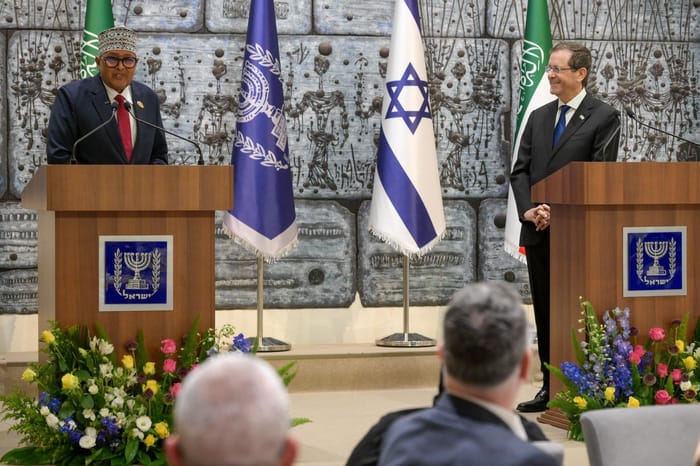
President Isaac Herzog and First Lady Michal Herzog hosted Somaliland President Abdirahman Mohamed Abdullahi and his wife, Fardowsa Mohamed Roble, at the President’s Residence in Jerusalem on Sunday, marking the first visit by a Somaliland president to Israel.
Where are you *really* from?
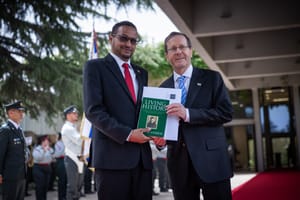
New friends

The Chilling Criminal Record
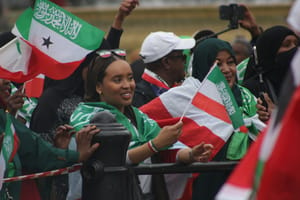
Middle East
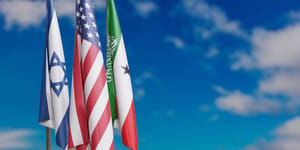
After Israeli recognition
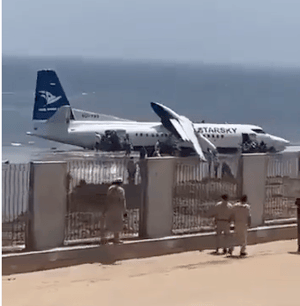
Miraculous escape
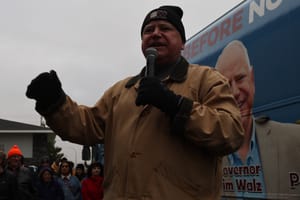
Minnesota daycare fraud
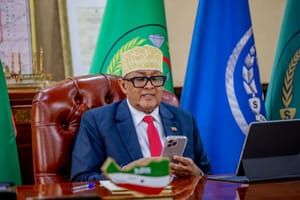
Diplomacy
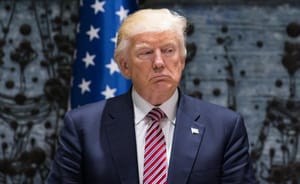
Walz Fraud
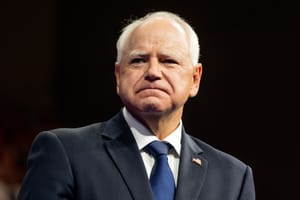
Walz Somali Fraud
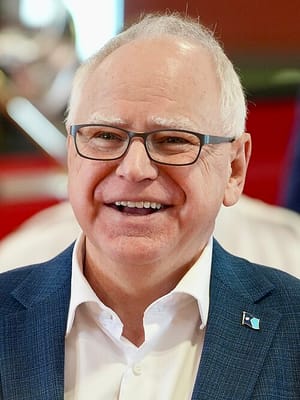
MN Somali Fraud
Somali Fraud Scandal
Walz in hot water
Red Sea Flashpoint