Independence
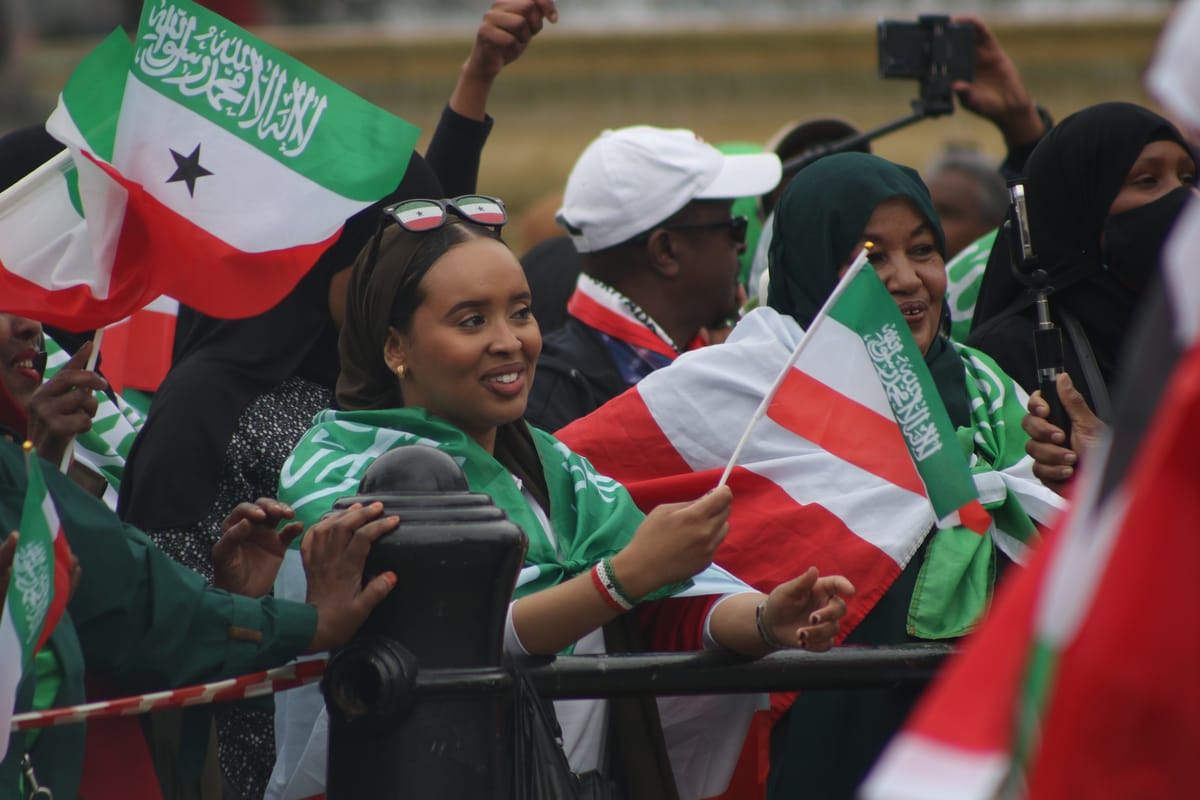
Celebrations in Somaliland, Fury in the UN: Reactions to Israel's Bold Diplomacy | WATCH
Israel’s decision to formally recognize Somaliland as an independent and sovereign state has triggered celebrations in Hargeisa and sharp diplomatic backlash across the Middle East and Africa, highlighting how a single diplomatic move can reverberate far beyond the Horn of Africa.

Israel’s decision to formally recognize Somaliland as an independent and sovereign state has triggered celebrations in Hargeisa and sharp diplomatic backlash across the Middle East and Africa, highlighting how a single diplomatic move can reverberate far beyond the Horn of Africa.
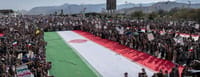
Israel became the first UN member state to recognize Somaliland, a self-governing territory that has operated as a de facto state since Somalia collapsed into civil war in the early 1990s. In Somaliland’s capital, residents marked the announcement with public celebrations, including Israeli flags and statements of gratitude toward Jerusalem for what leaders there described as a long-awaited breakthrough after decades of diplomatic isolation.
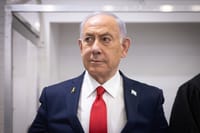
Prime Minister Benjamin Netanyahu framed the recognition as part of Israel’s broader effort to expand ties with pragmatic regional partners. Alongside Foreign Minister Gideon Sa’ar, Netanyahu signed a joint declaration with Somaliland’s president affirming mutual recognition and committing to rapid expansion of bilateral cooperation, particularly in agriculture, healthcare, technology, and economic development. Netanyahu also extended an invitation for an official visit to Israel.
Somaliland’s president welcomed the move as historic and signaled interest in joining the Abraham Accords framework, arguing that Somaliland’s stability and effective governance distinguish it from the rest of Somalia. For Somaliland, international recognition is seen as key to improving access to global markets and strengthening its diplomatic standing.
The response elsewhere was immediate and hostile. Turkey, Egypt, Saudi Arabia, and Somalia all issued condemnations, emphasizing their support for Somalia’s territorial integrity. Ankara accused Israel of destabilizing the region, while Riyadh rejected what it called unilateral separatist steps that violate international law. Egypt coordinated emergency consultations with regional partners, warning of broader repercussions in the Horn of Africa.
Somalia’s government denounced the recognition as illegal and meaningless, insisting Somaliland remains an inseparable part of the Somali state. Somali officials also used the moment to reiterate their support for the Palestinian cause, linking Israel’s decision to wider regional grievances.
The issue is now headed to the UN Security Council, which is expected to convene an emergency session at Somalia’s request. While Somaliland hopes Israel’s recognition will encourage other countries to follow, early indications suggest most governments remain wary.
For Israel, the move opens a new diplomatic front ahead of Netanyahu’s visit to Washington and amid ongoing regional tensions linked to Gaza. For Somaliland, it represents a rare crack in a long-standing wall of non-recognition. For everyone else, it is another reminder that in international politics, recognition is never just symbolic.