Israel's groundbreaking decision to recognize the self-declared Republic of Somaliland as an independent state has drawn sharp condemnation from Saudi Arabia, exacerbating tensions and casting a shadow over long-stalled normalization talks between the two nations. While some observers speculate this could mark a new low in bilateral relations, experts argue the fallout, though significant, falls short of historic nadirs amid decades of covert cooperation and shared regional interests.
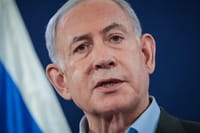
Prime Minister Benjamin Netanyahu announced the recognition on December 26, hailing Somaliland as a "stable, democratic partner" committed to mutual prosperity and regional stability in the Middle East and Africa.
The move positions Israel as the first country to formally acknowledge Somaliland's independence, declared in 1991 after breaking away from Somalia, and opens doors for potential military, economic, and intelligence collaborations, including access to Somaliland's strategic Red Sea ports and airspace for operations against threats like Yemen's Houthi rebels.
Saudi Arabia, a key regional power and staunch supporter of Somalia's territorial integrity, swiftly rejected the decision. The Kingdom's Foreign Ministry issued a statement denouncing it as a "violation of international law" and a threat to peace in the Horn of Africa.
An anonymous source from the Saudi royal family, speaking to Israel's Channel 12, went further: "Israel's recognition of Somaliland has angered Riyadh and will drive the kingdom further away from normalization. Netanyahu is fueling regional instability. How would he feel if Saudi Arabia backed Palestinian and Lebanese liberation movements in return?"
The source described the Israeli government's action as "madness," emphasizing that it isolates Israel further from the region at a time when Netanyahu seeks another term.
This backlash aligns with a broader chorus of disapproval from over 20 Muslim-majority countries, including Egypt, Turkey, Iran, Qatar, and Pakistan, coordinated through the Organisation of Islamic Cooperation (OIC). The group labeled the recognition a "serious threat to peace and stability," rejecting any ties to Palestinian displacement and urging the international community to uphold Somalia's sovereignty.
Notably, the United Arab Emirates, an Abraham Accords signatory and Somaliland supporter, abstained from the joint statement, highlighting fractures within the Gulf Cooperation Council.
Impact on Israel-Saudi Relations: A Setback, Not a Historic Low
The incident has fueled speculation that Israel-Saudi ties have plummeted to an all-time low. However, analysts caution against such characterizations. While normalization under the Abraham Accords framework, prioritized by U.S. President Donald Trump, appears more distant, with Saudi Arabia conditioning any deal on Palestinian statehood progress, the current strain does not eclipse past hostilities like the 1973 oil embargo or overt Saudi support for anti-Israel causes.
Behind-the-scenes cooperation against mutual threats like Iran persists, suggesting the rift is tactical rather than terminal.
"Israel's Somaliland gambit risks entangling it in Horn of Africa rivalries, but it's a calculated move to expand influence amid Red Sea tensions," noted a Jerusalem Post opinion piece. Others see it as a strategic pivot, potentially pressuring Somalia and its allies while bolstering Israel's African footprint.
As Netanyahu prepares for talks with Trump, the timing of the announcement, days before year-end, raises questions about broader diplomatic maneuvering. For now, the move underscores Israel's willingness to challenge norms, even at the cost of alienating potential allies like Saudi Arabia, in pursuit of strategic gains.