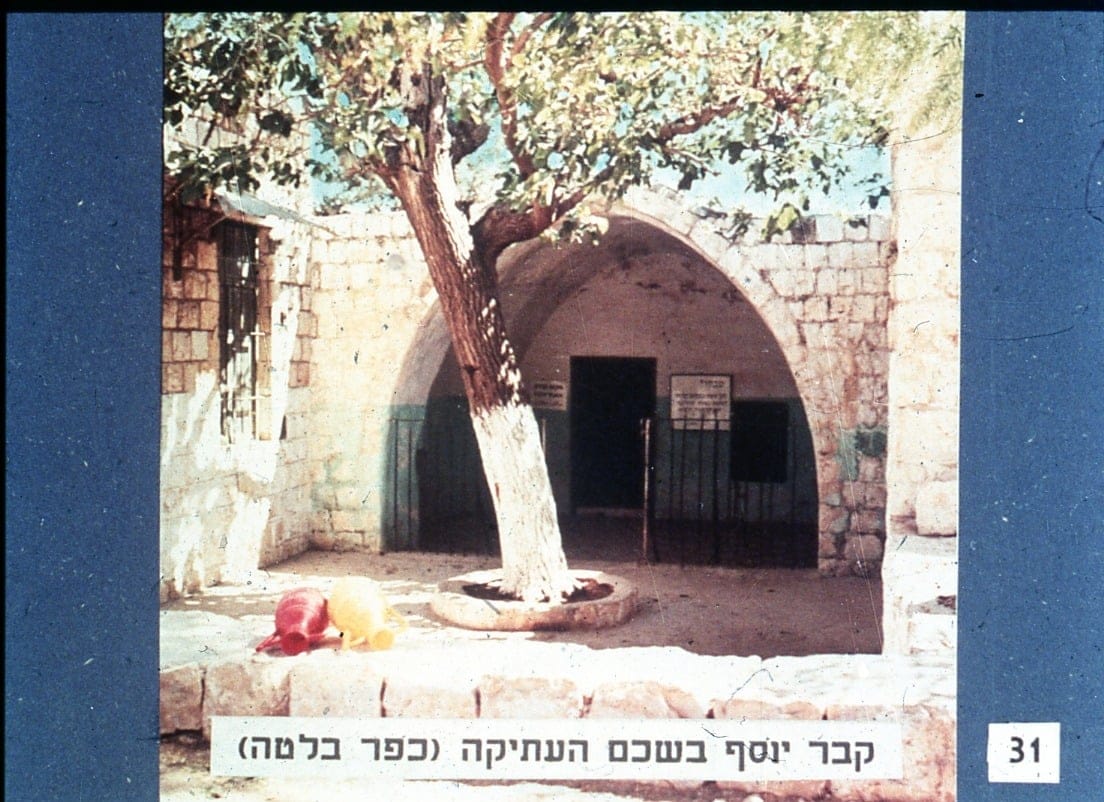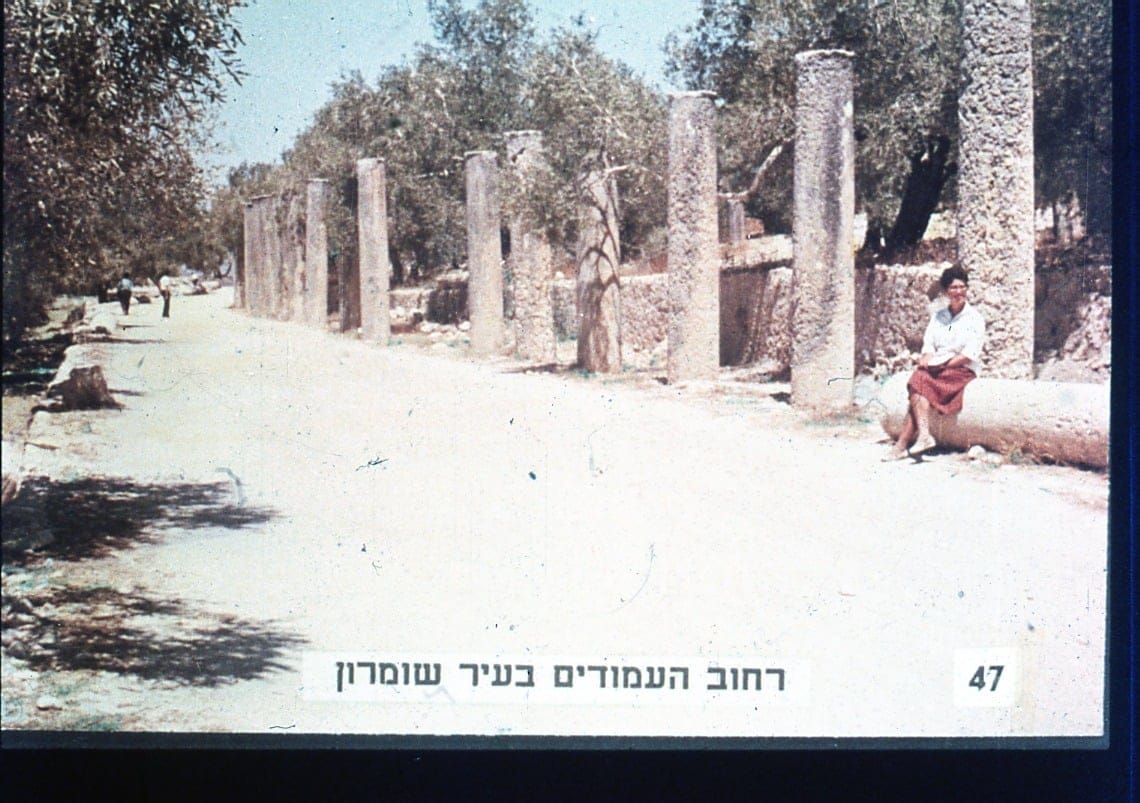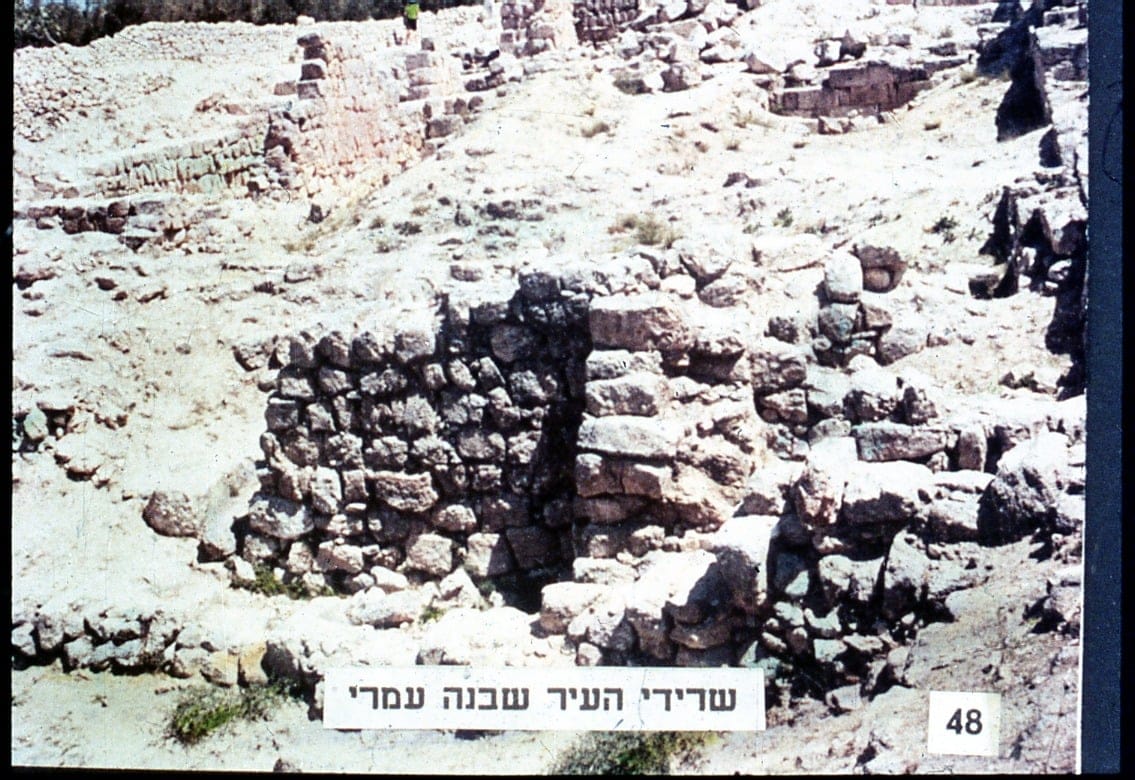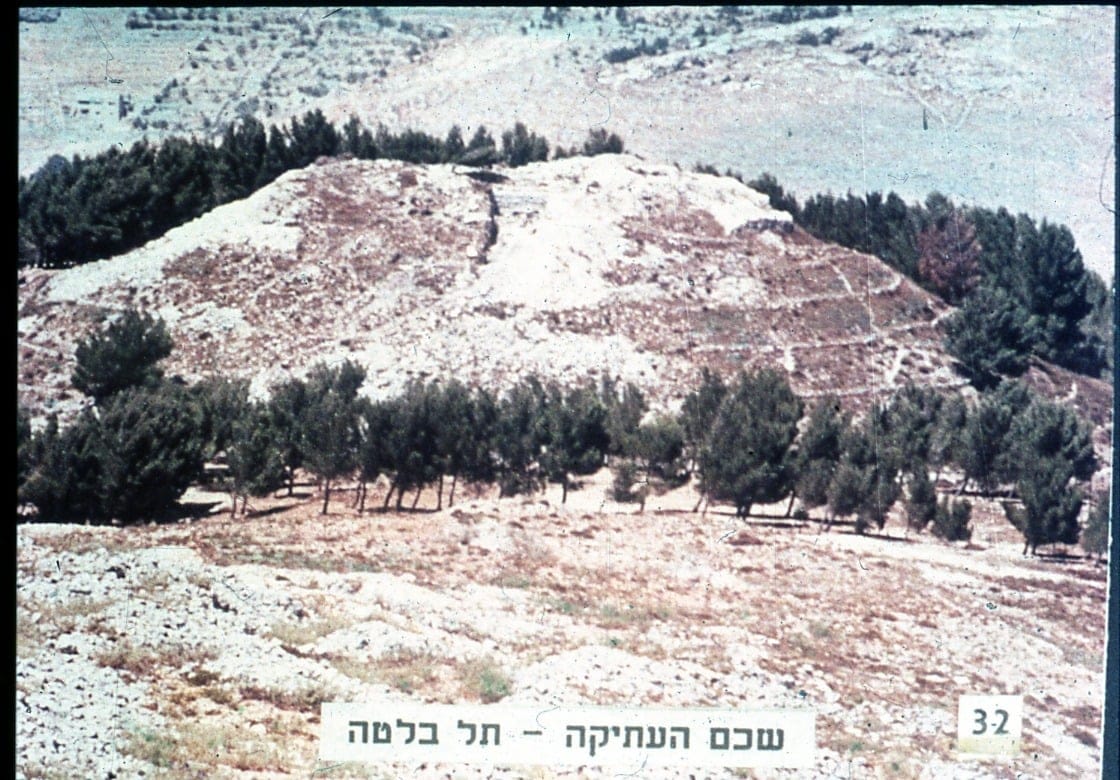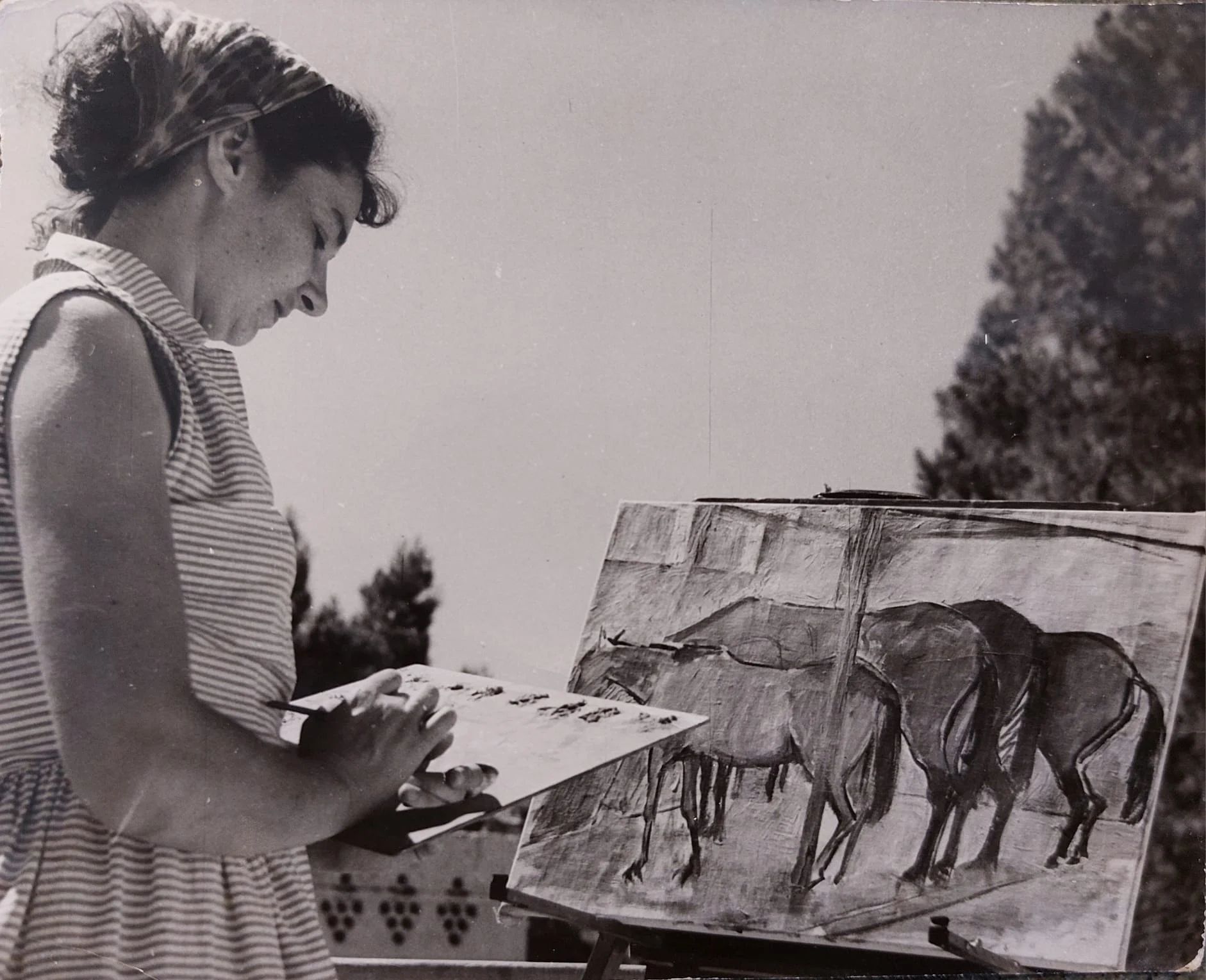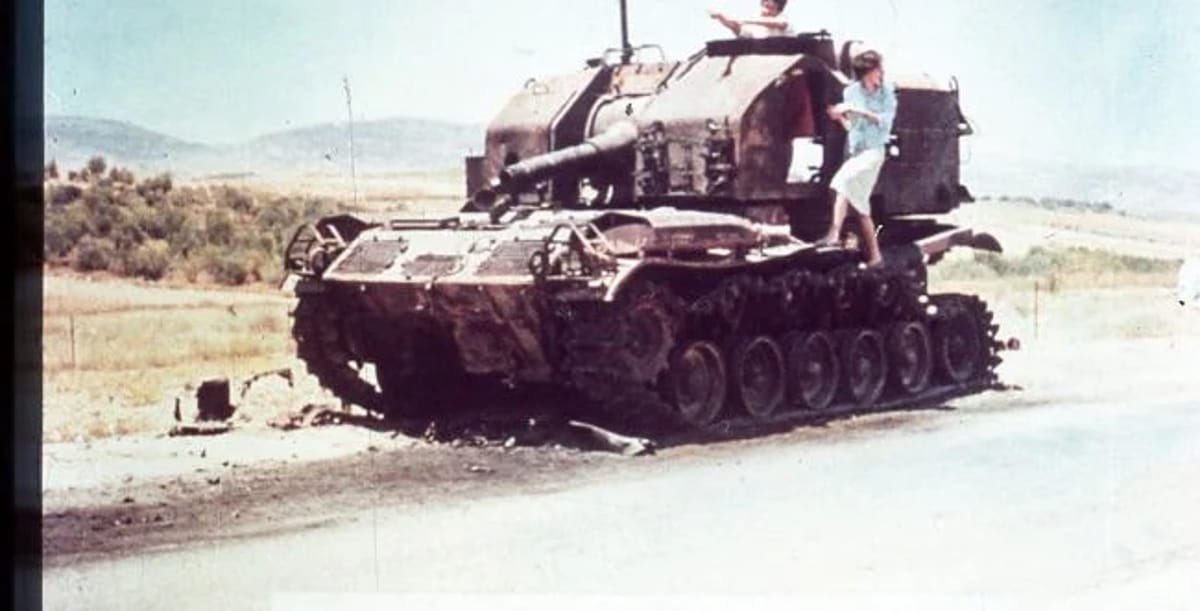
To mark the day of liberation of Jerusalem and Samaria, and in celebration of the inauguration of the new wing at the Alon Moreh Heritage Center, an extraordinary exhibition will open immediately after Shavuot, showcasing rare color photographs of Samaria taken in 1968, a year after the Six-Day War. The photographs were taken by Adina Sompolinsky (1919–2013), an artist and painter, Bezalel graduate, and resident of Mikveh Israel.
Sompolinsky, who immigrated to Israel from Denmark in 1940, documented Samaria in the wake of the war, capturing a newly liberated region with pristine landscapes, sparse villages, and primitive infrastructure, but above all, conveying a sense of return to the sacred places of the Jewish people.
The photographs, rediscovered by her granddaughter Sarah Kurlak, a manager at the Alon Moreh Heritage Center, include moving historical documentation of key sites: the Samaria Ancient National Park, Joseph’s Tomb, the Dothan Valley, and more. They also depict the Balata refugee camp, established in the 1950s by Jordan for Jaffa refugees, as well as the markets of Nablus, ancient Samaria sites, and remnants of Jordanian tanks.
“In the rural areas, there were hardly any residents,” Kurlak explains. “There was no infrastructure, no running water or electricity. The photos show the sacred places of the Jewish people just after Samaria’s liberation, places that tourists, including my grandmother and mother, were deeply moved to see for the first time. It’s possible that no Jewish foot had stepped in these places for thousands of years.”