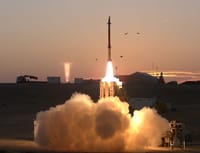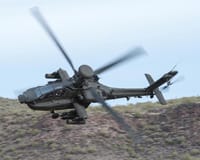
In a significant escalation of military activity, the IDF launched a large-scale, coordinated offensive from both air and sea over the weekend, targeting the top tier of Hezbollah’s missile array and Hamas command centers.
The operation, which deviates from the routine pinpoint strikes seen since the ceasefire agreement, resulted in the elimination of at least ten individuals in the Beqaa Valley and left dozens more wounded.
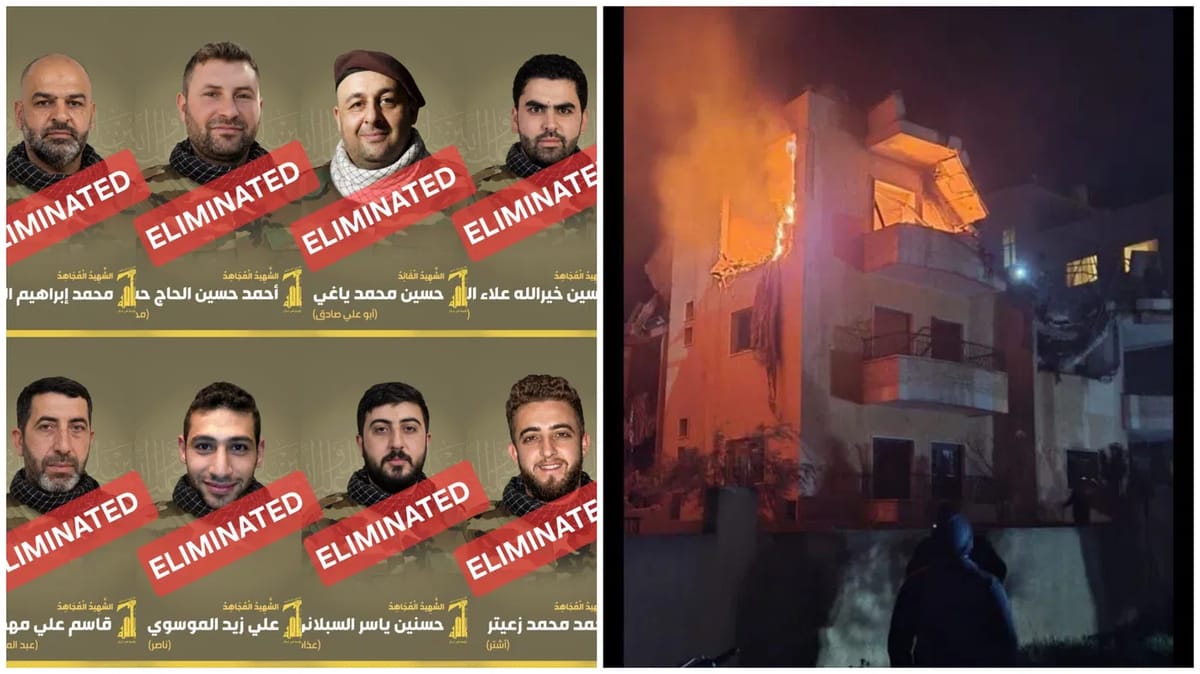
The core of the operation focused on neutralizing the "command brain" behind Hezbollah’s rocket capabilities. Among the eight Hezbollah operatives killed in the Beqaa was Hussein Muhammad Yagi, a high-ranking figure known as "The Prince." Yagi was the son of Muhammad Yagi, one of Hezbollah’s founding members and a close personal associate of the late leader Hassan Nasrallah.
Alongside Yagi, several other senior commanders were neutralized:
Hasnain Yasser al-Sablani: A high-ranking commander.
Ali and Muhammad al-Mousawi: Local commanders in the sector.
According to IDF sources, these commanders were in the final stages of preparing for immediate offensive strikes against Israeli territory. The military emphasized that the activities of this missile unit constituted a blatant violation of the understandings between Israel and Lebanon.
A Multi-Front Assault: Air and Sea
The offensive began late Friday night with fighter jets striking three distinct headquarters of the Hezbollah missile array. Targeted areas included Baalbek, Rayak, Nabi Chit, and Tamnin,
Witnesses and Lebanese medical teams reported:
- In Rayak: A strike destroyed the top floor of a three-story building.
- In Ali al-Nahri: A building located behind an "Al-Qard al-Hassan" branch was completely leveled.
- Casualties: The Lebanese Ministry of Health reported 10 dead and 24 wounded in the Beqaa region.
Simultaneously, the Israeli Navy carried out a rare strike from the sea, targeting a Hamas headquarters located deep within the Ain al-Hilweh refugee camp near Sidon. Two Hamas operatives, Hussein Nemer and Bilal al-Khatib, were killed. The IDF stated the site was being used to plan attacks against Israeli forces within Lebanese territory.
The timing of the strike coincides with a "boiling point" in the region, as tensions between the United States and Iran rise amid nuclear negotiations.
In Lebanon, the government led by Najib Mikati (facing internal pressure over economic austerity) saw a rare condemnation from General Joseph Aoun, who labeled the Israeli strikes a "flagrant act of aggression." Conversely, Lebanese media outlets have characterized the strikes as a "massacre" that undermines ongoing diplomatic efforts.
The Israeli defense establishment has made its stance clear: the establishment of new firing infrastructures under the cover of a ceasefire will not be tolerated. The IDF signaled that the price for such attempts will be extracted directly from the highest levels of command on the ground.