Former Commander of the Israeli Navy, Maj. Gen. (res.) Eliezer "Chaynee" Marom, warned on Sunday that any potential American military action against Iran would not be a brief encounter, but rather a sustained campaign lasting days or even weeks.
Speaking in an interview with Radio Galey Israel, Marom analyzed the current regional buildup and the strategic mindset of US President Donald Trump.
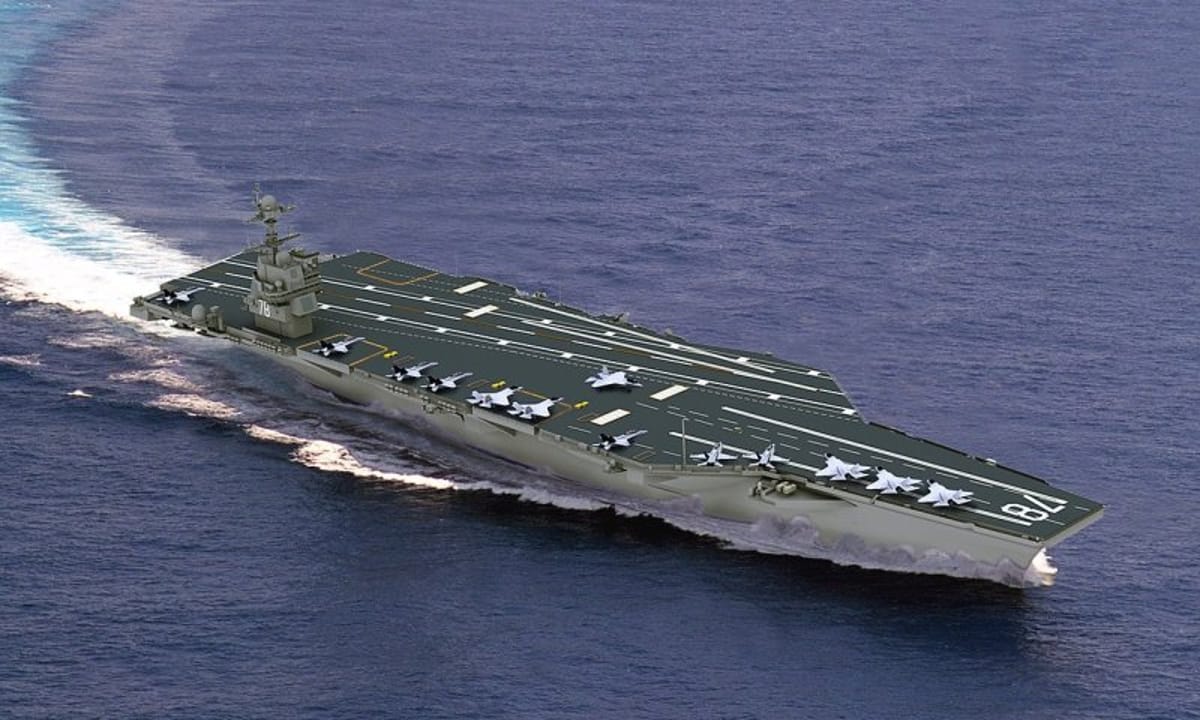
Marom emphasized that the United States possesses the "long-term breath" required for a protracted conflict. "The average deployment for a US aircraft carrier is roughly six months," Marom noted. "This force is prepared to remain here for a long duration. Therefore, the Americans have the patience to wait, and even when an operation begins, they will stay in the region."
He cautioned against expecting a quick surgical strike: "This will not be a 'wham-bam-and-finished' attack, but an operation that will last for days or weeks at the very least."
According to Marom, while President Trump is making every effort to avoid a direct military confrontation, the Iranians appear to be doing the opposite. "Trump is doing everything he can to avoid an attack, but it seems the Iranians are doing everything they can not to help him avoid it. Therefore, in my estimation, this is heading in only one direction."
Marom's assessment follows recent comments by US Special Envoy to the Middle East, Steve Witkoff, who told Fox News that President Trump is "curious" as to why Tehran has not yet yielded.
"The President, I don't want to use the word 'frustrated,' because he understands he has a wealth of alternatives, but he is curious," Witkoff said. "He wonders why they haven't, and I don't want to use the word 'surrendered' - but why they haven't capitulated."
Witkoff highlighted the discrepancy between the immense US naval presence in the region and Iran's refusal to return to the negotiating table with a clear renunciation of nuclear weapons. "Under this pressure, with the naval power we have there, why haven't they come and said: 'We declare we do not want a weapon, and here is what we are prepared to do'? It is difficult to bring them to that place."
The US envoy reiterated that "zero enrichment" remains a firm American red line. He noted that while Iran claims its program is for civilian use, it has enriched uranium to 60%, far beyond civilian needs and is likely only "a week away" from having enough material for a nuclear bomb.