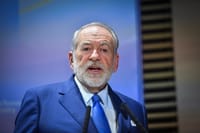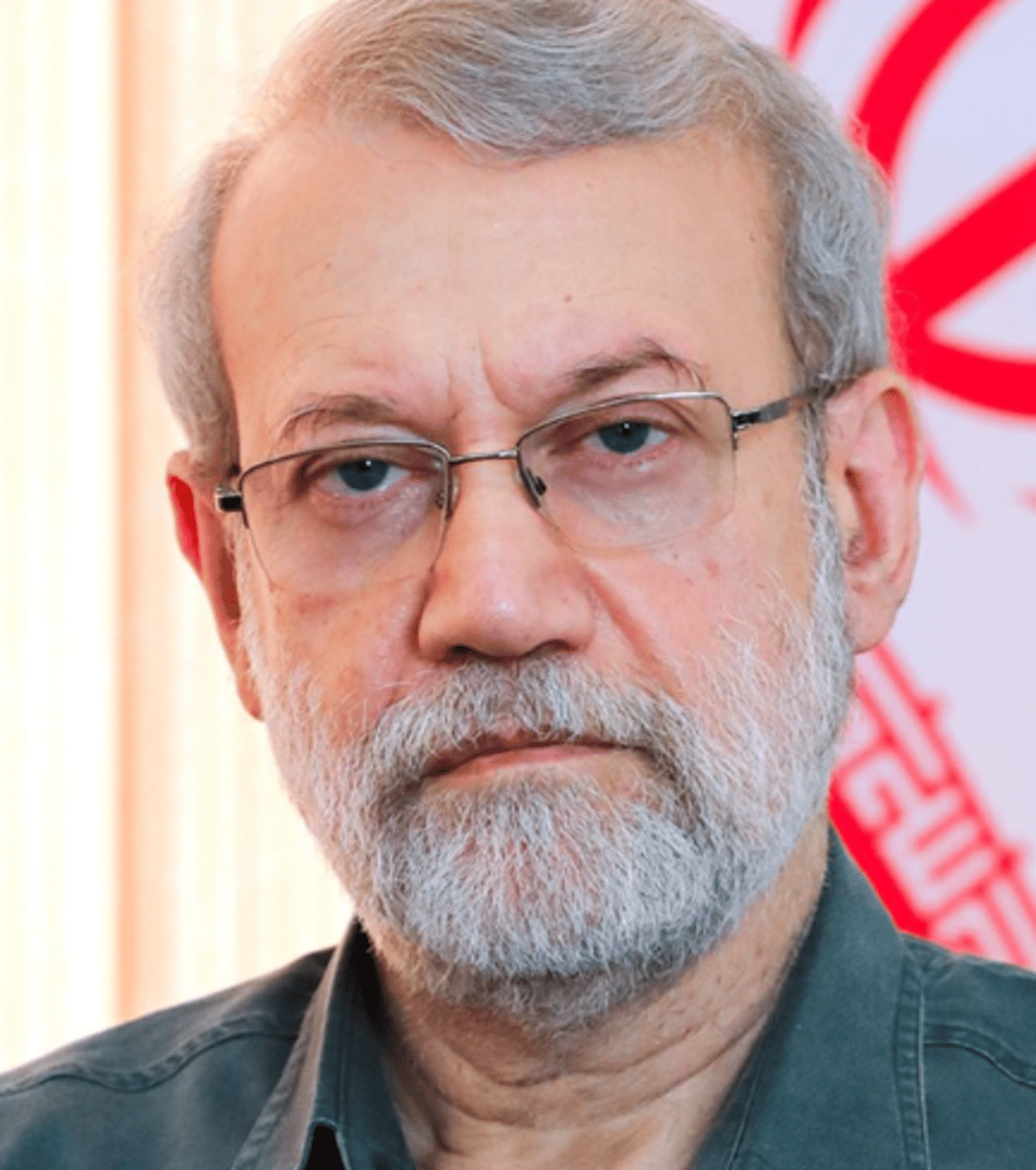
Amid escalating tensions with the United States, including threats of military strikes and ongoing nuclear negotiations, Ali Larijani, secretary of Iran's Supreme National Security Council (SNSC), has emerged as the effective de facto leader of the country in operational terms since early January 2026.
Appointed to the SNSC role in August 2025 by President Masoud Pezeshkian, Larijani, a 67-year-old veteran conservative politician, former parliament speaker, and ex-Revolutionary Guards commander, has been entrusted by Supreme Leader Ayatollah Ali Khamenei with ensuring the Islamic Republic's survival amid nationwide protests, economic pressures, and external threats.
His expanded responsibilities include:
- Overseeing a brutal crackdown on anti-regime protests that erupted in January 2026, reportedly masterminding the use of lethal force and leveraging ties to IRGC commanders and intelligence services.
- Managing diplomatic backchannels, including liaisons with Russia, Qatar, and Oman, as well as indirect nuclear talks with the US.
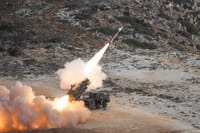
- Preparing military and strategic defenses for potential war, stating Iran has addressed vulnerabilities over the past 7-8 months and is "more powerful" now, though not seeking conflict but ready to respond if attacked.
- Suppressing internal dissent and positioning himself for influence in a post-Khamenei era.
This shift has sidelined President Pezeshkian, who has publicly downplayed his political role, calling himself "a doctor, not a politician," amid a challenging tenure marked by these crises.
While Khamenei remains the official Supreme Leader with ultimate authority, no recent reports indicate health issues forcing a formal handover; instead, the entrustment appears strategic for regime stability.
Larijani's prominence has also drawn US sanctions in January 2026, targeting him for his security role.