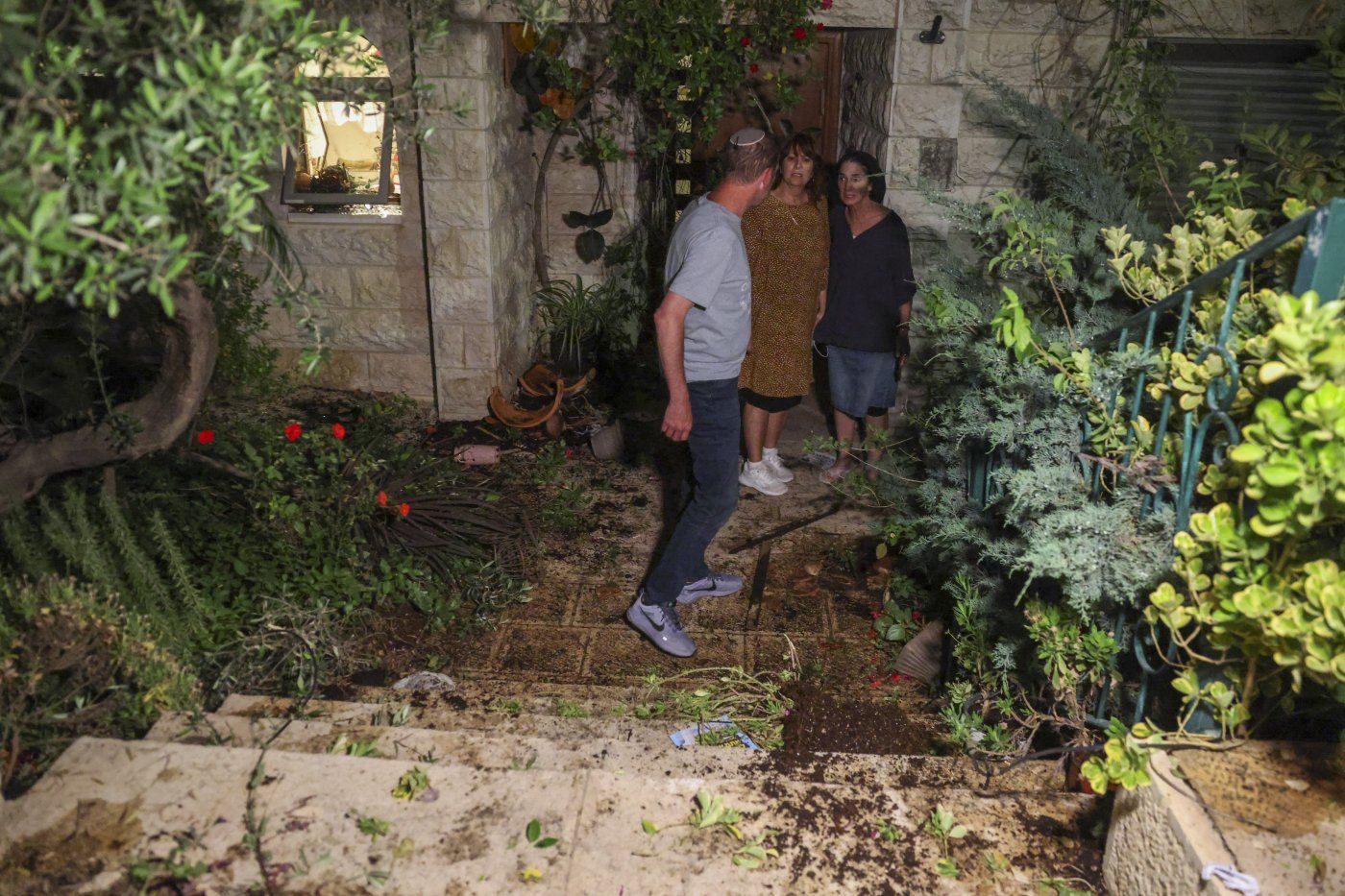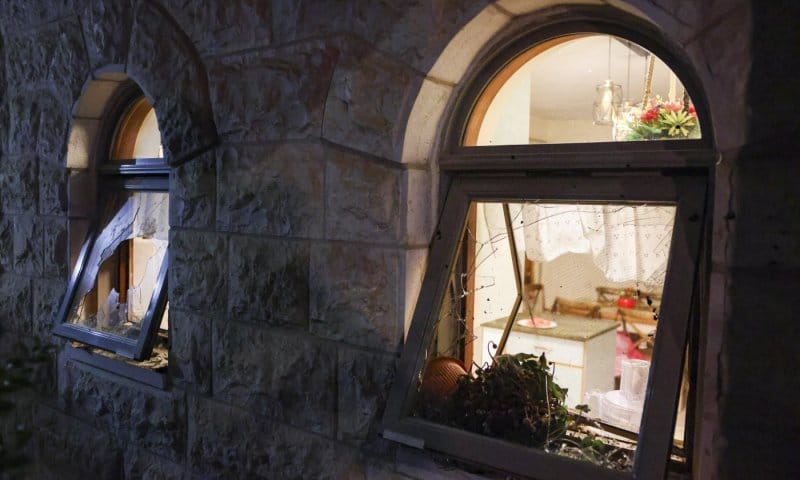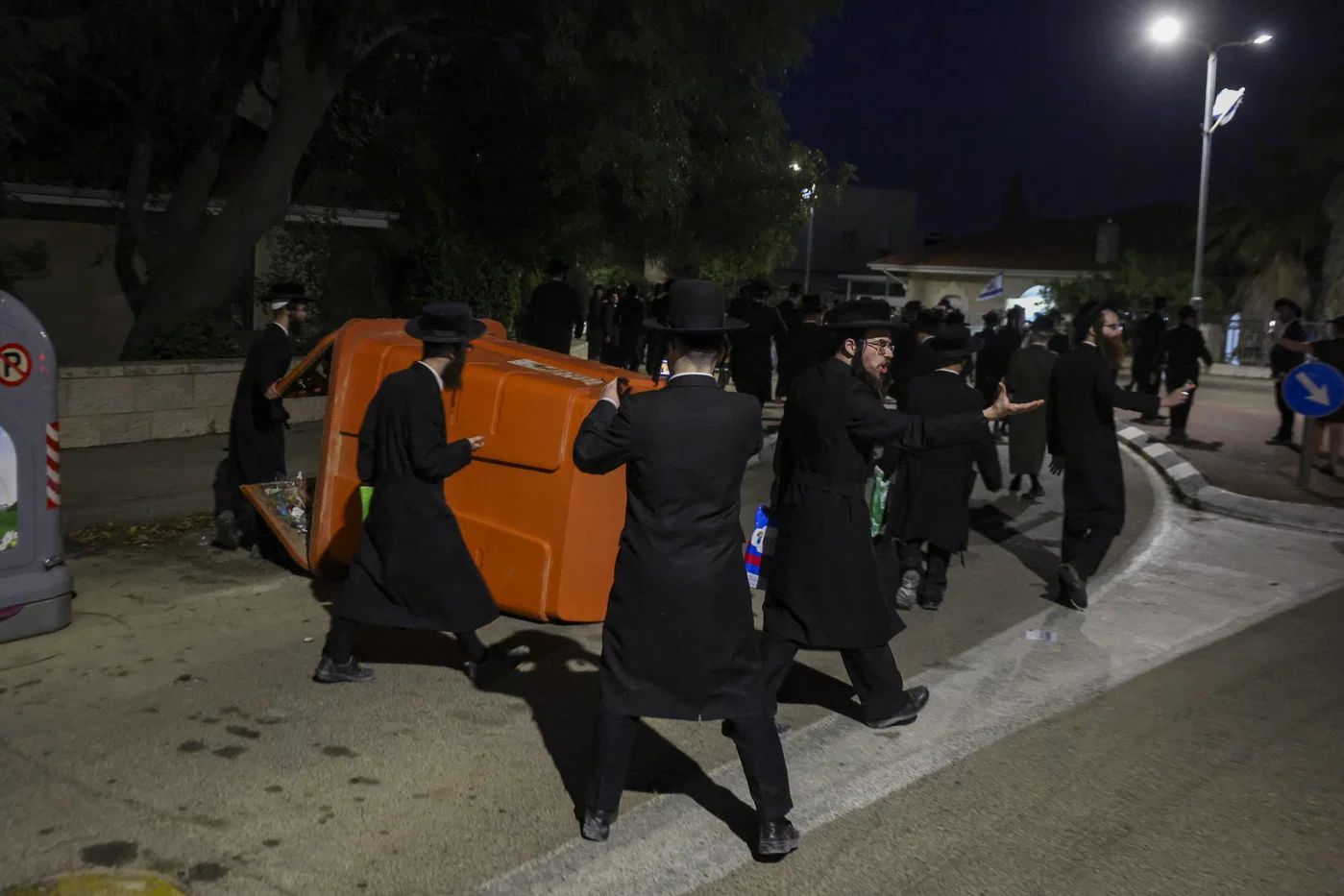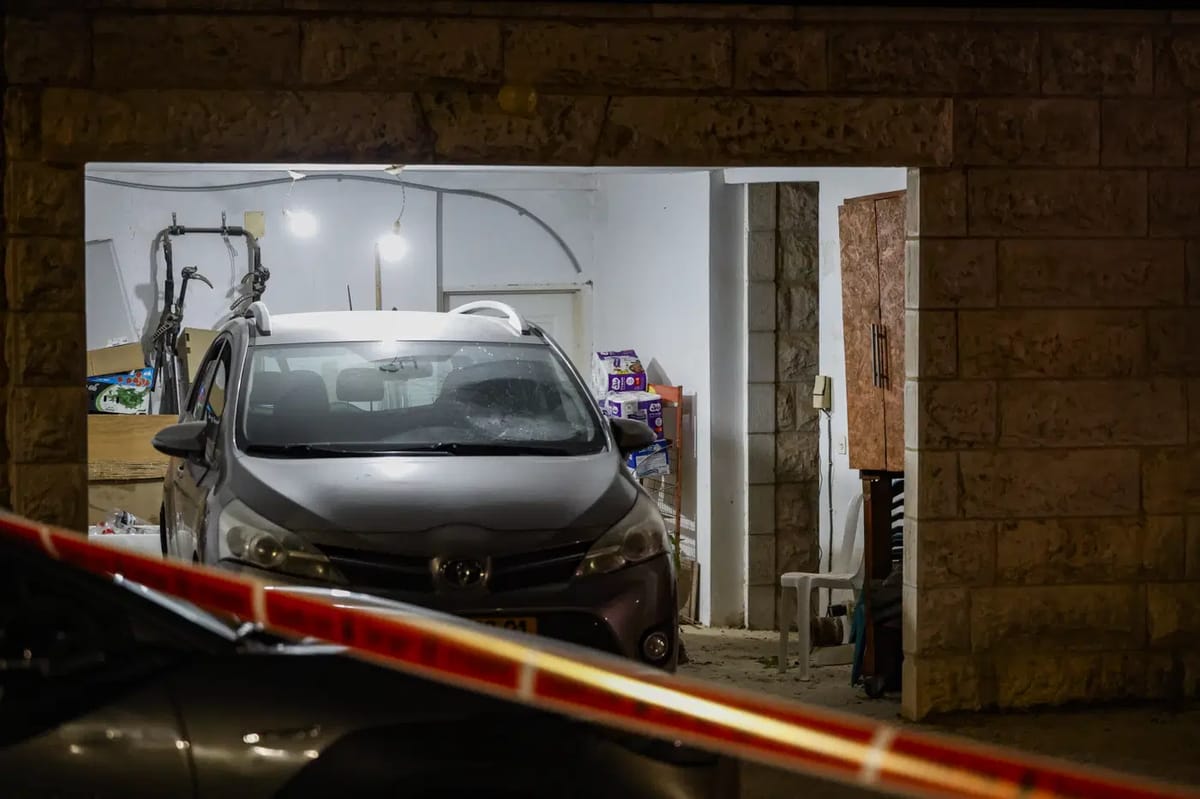
A volatile domestic security crisis erupted in the community of Alon Shvut when dozens of extremist rioters launched a destructive raid against the private home of Supreme Court Deputy President Noam Sohlberg. The targeted assault caused extensive damage to the property, with the mob shattering residential windows, destroying family vehicles, and uprooting trees within the yard. The incident represents a dangerous escalation in the ongoing domestic unrest surrounding the mandatory military conscription of Yeshiva students.
The violent demonstration was organized to directly protest a recent judicial ruling authored by Justice Sohlberg, which mandated a significant increase in law enforcement operations against draft evaders within the ultra-Orthodox sector. Rioters breached the outer perimeter fences of the property, scattering leaflets adorned with swastikas across the lawn while chanting hostile slogans. Regional police units from the Judea and Samaria district were deployed to regain control of the chaotic scene.
Following the targeted vandalism, the perpetrators attempted to escape the area using an organized transit bus. Law enforcement officers intercepted the vehicle a short distance away, sealing the exits and detaining dozens of suspects for direct involvement in the property destruction. The judicial authority issued a fierce public statement condemning the event, characterizing it as an unacceptable attempt to intimidate public servants and influence independent legal decisions.
The justice's spouse, Meira Sohlberg, stood amidst the ruined courtyard with her grandchild, expressing profound heartbreak over the targeted nature of the violence. She compared the destruction to a historical pogrom, questioning how fellow citizens could inflict such malice upon one another given their shared history as descendants of Holocaust survivors. She affirmed that the family refuses to be intimidated or driven from their home despite the burning tensions gripping the nation.
The incident has provoked widespread condemnation across the entire political spectrum, while simultaneously exposing deep fractures within the governing coalition. Prime Minister Benjamin Netanyahu demanded that the full severity of the law be applied against the rioters, a sentiment echoed by National Security Minister Itamar Ben-Gvir. Conversely, Justice Minister Yariv Levin used the occasion to deflect systemic blame, suggesting that prior administrative tolerance for opposition protests had inadvertently legitimized public lawlessness.
Opposition leaders and civic advocacy groups have expressed deep alarm over the event, warning that unchecked incitement against the judiciary will inevitably lead to bloodshed. The assault follows a separate, violent riot earlier in the week where hundreds of extremists breached a police station in Beit Shemesh to forcibly release a detained draft evader. With judicial figures now facing direct physical threats at their private doorsteps, security agencies are reevaluating protective protocols for high-ranking state officials.