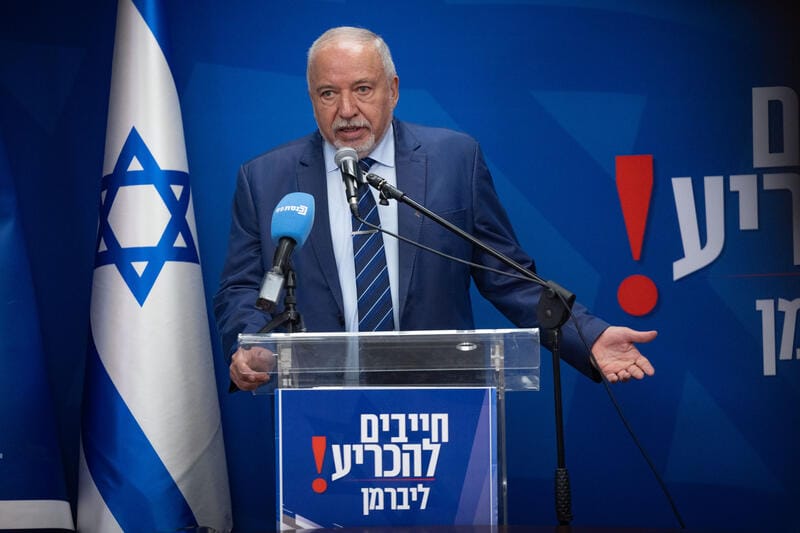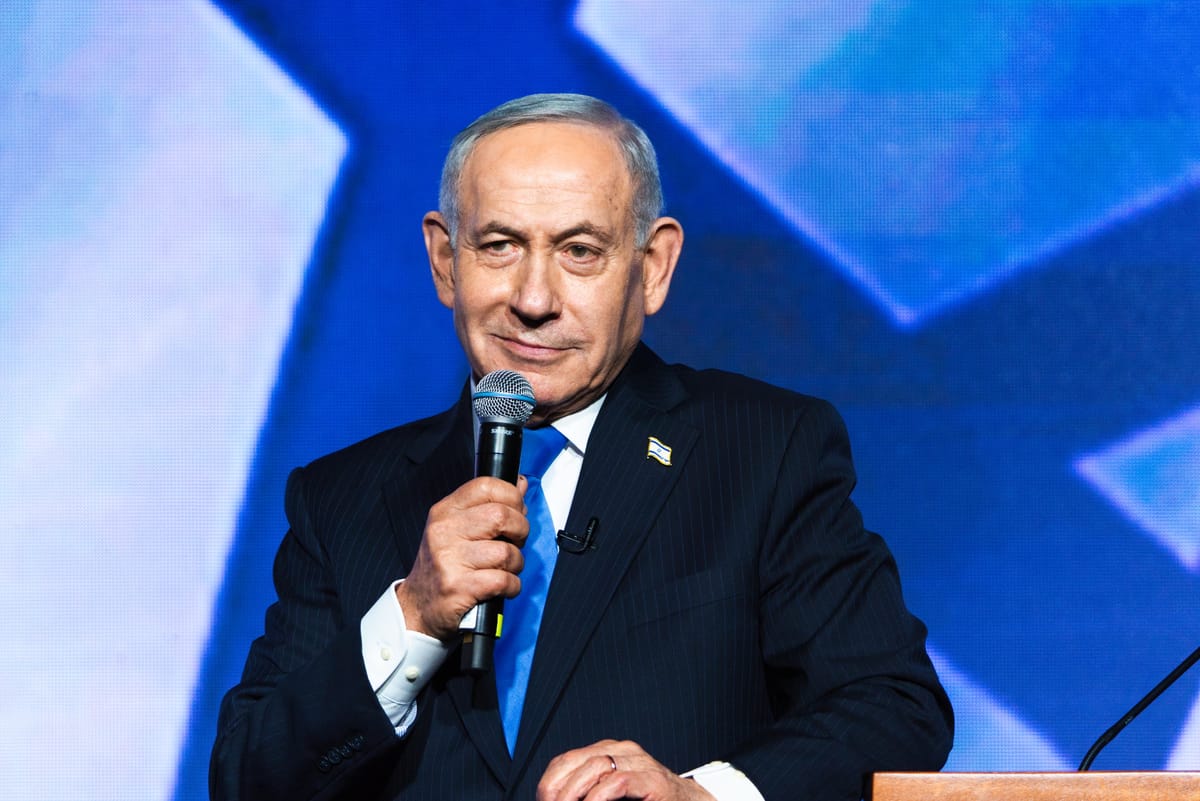
Political analyst Amit Segal reported Wednesday evening in Yisrael Hayom that Israel Beiteinu chairman Avigdor Liberman is preparing a dramatic legislative move that could prevent Prime Minister Benjamin Netanyahu from forming a government even if he secures a Knesset majority in the next elections. But according to Segal, senior figures within the anti-Netanyahu bloc are deeply concerned about the plan and its potential consequences.
The proposed legislation, known as the "Indictee Bill," would bar anyone facing criminal indictment from receiving the mandate from the president to form a government. Liberman intends to bring the bill to a vote in the first week of the next Knesset, according to the report.
Segal estimates that Liberman may condition his support for the anti-Netanyahu bloc's candidate for Knesset speaker on the other parties backing the bill. The name being floated as a possible candidate for speaker is Orit Farkash-Hacohen.
The most significant detail in the plan concerns how the law would actually work. Unlike proposals to disqualify Netanyahu from running for Knesset altogether, the planned legislation would not prevent him from standing in elections, only from receiving the mandate to form a government afterward.
To increase the chances that the law would survive a High Court challenge, the plan calls for it to take effect only from the 27th Knesset onward, not the Knesset elected in the upcoming vote. That means the next Knesset could pass the law, but its application would be delayed until the following election cycle.
Under this scenario, even if Netanyahu wins a majority in elections for the 27th Knesset, he could face a legal barrier preventing him from forming a government. Any attempt to amend the law after those elections could also run into difficulties, particularly in light of the High Court's ruling on the Incapacitation Law, which held that its application must be deferred to the next Knesset.
But alongside the plan, Segal reveals that significant opposition exists within the anti-Netanyahu bloc itself. Senior figures in the bloc are expressing concern in closed-door conversations that the legislation would trigger an especially sharp public confrontation.