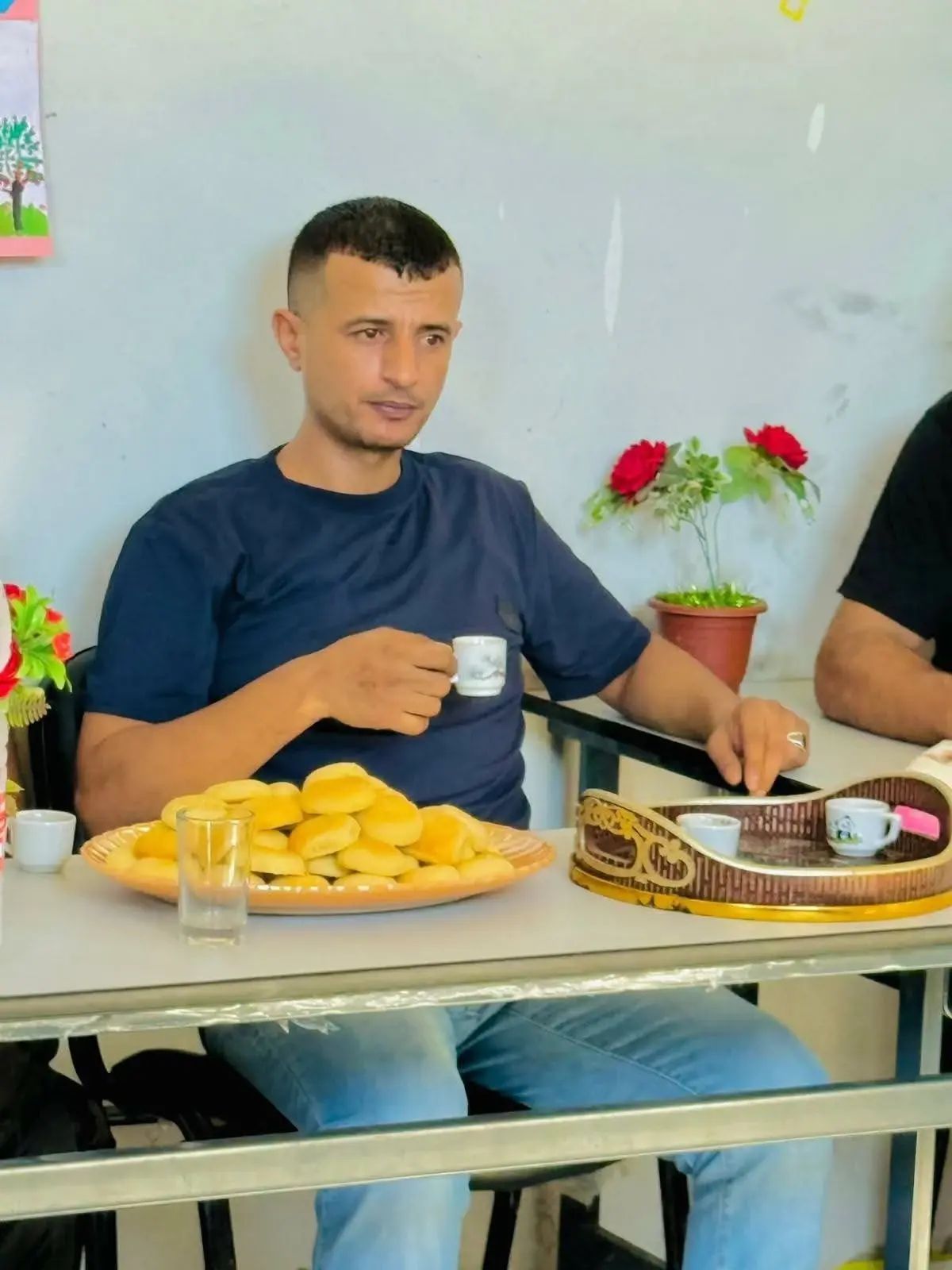
A Life of Contrasts and Defiance
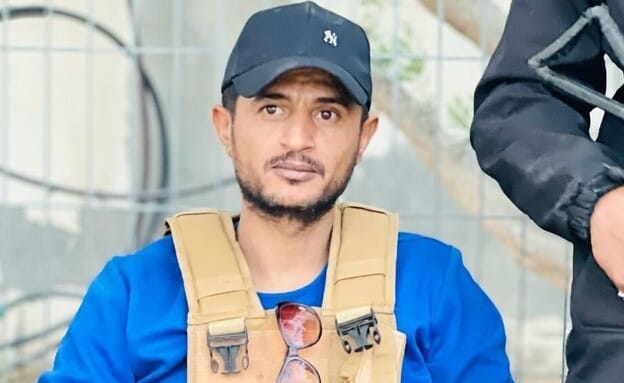
Yasser Abu Shabib, the founder and leader of the "Popular Forces" militia in the southern Gaza area, was a figure of dramatic contrasts whose life ended violently in an internal power struggle. A Bedouin belonging to the Tarabin tribe, Abu Shabib’s early life was marked by criminal activity; he was a former drug dealer and was imprisoned by Hamas on charges including smuggling and theft.
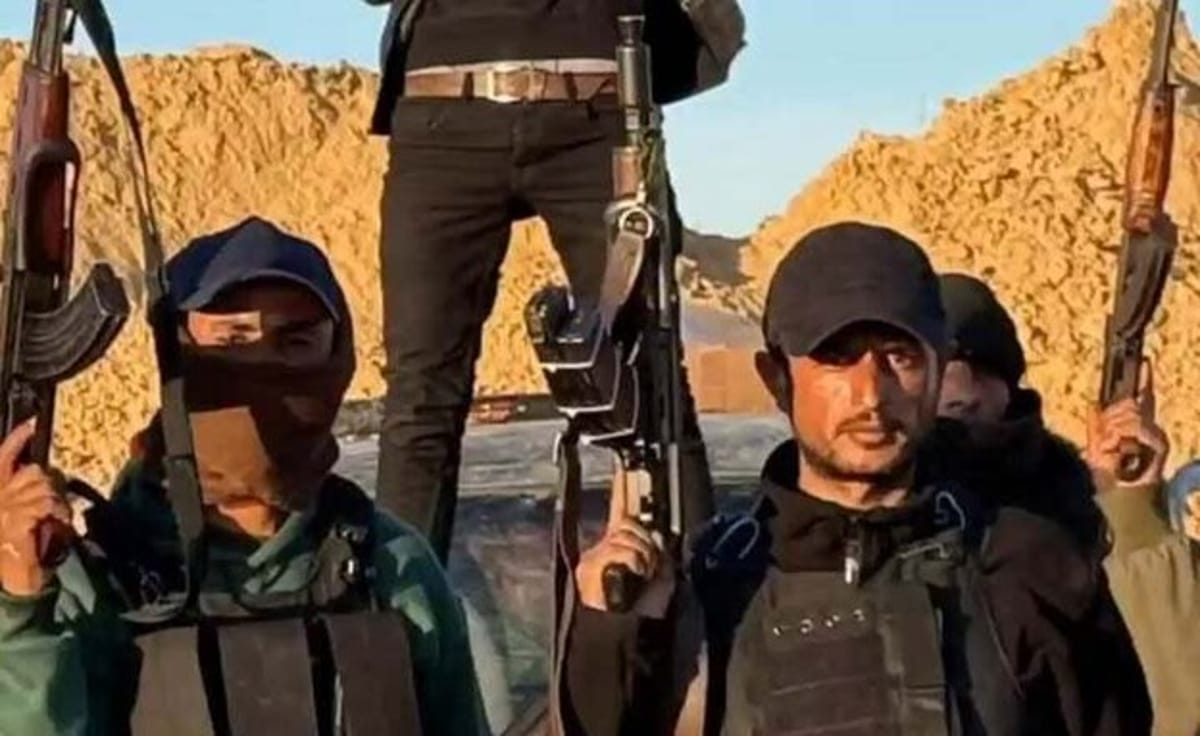
Remarkably, after being released from Hamas custody following the October 7, 2023, war, he rebranded his operations, forming a militia that, by 2025, operated with the backing of Israel and maintained ties with American intelligence agencies. He commanded between 100 and 300 armed men, who, in recent months, actively worked against the Hamas terror group and Islamic Jihad. His fighters were credited with killing and arresting operatives, exposing underground systems, and disabling weapons and explosives, a campaign a senior Israeli security source lauded as a success that "saved the lives of many of our fighters."
The Vision for a Post-Hamas Gaza
Abu Shabib’s political and social vision was one of stark opposition to the Hamas regime. He described the "Popular Forces" as an "independent Palestinian national body" established to fill a void created by the collapse of official systems and the "control of the logic of indiscriminate weaponry." His militia focused on protecting civilians, distributing humanitarian aid, and establishing new, secure areas free from "terror and local extremism."
In a final interview granted months before his death, Abu Shabib laid out his future vision for the area, stating that his movement was "popular and not political," aiming to build a stable, violence-free, and safe Palestinian society that believed in dialogue. He was openly critical of Hamas's October 7 attack, calling it a "failed military decision that brought us to hell" and arguing that Hamas had lost popularity. He demanded that the terror group apologize to the people, leave power, and implement "the Palestinian and Arab will, not the Iranian will."
He also articulated a pragmatic view toward Israel, stating, "We do not see the Israeli people as our enemy," and affirmed that just as Palestinians had the right to live freely and with dignity, "Israelis also have the right to live in security and peace."
A Symbol of Resistance
The rise of the "Popular Forces" was an integral part of the Israeli security establishment's plan for the "day after" Hamas, a proposed military-governance alternative led by local clans. The militia became the symbol of the "clan project," operating in an area of Rafah under Israeli control. Abu Shabib publicly welcomed displaced families to his tent city east of Rafah, promising food, shelter, and security, and declaring, "For us in Rafah – the war is already over."
He stood firm against relentless threats from Hamas, which issued an arrest warrant against him for "treason" and publicly declared that the fate of his gang would be the "dustbin of history." Despite the danger, Abu Shabib remained defiant, stating, "We are not afraid of Hamas," and warning them to not attack his forces. His armed, pragmatic, and dialogue-driven stance was seen as a clear sign of the breaking of the fear barrier in Gaza, though his ultimate fate tragically demonstrated the powerful grip Hamas still holds.