A Jewish community security organization warned Australian authorities weeks in advance that a Chanukah celebration at Bondi Beach faced a high risk of a terror attack, according to a leaked document that is now intensifying scrutiny of security preparations ahead of the December 14 massacre.
The confidential assessment, prepared by the Community Security Group NSW and dated November 26, explicitly flagged the Chanukah by the Sea event as a potential target for violent antisemitism. The document warned of heightened threats from jihadist-inspired lone actors, citing Australia’s national threat assessments and a sharp rise in antisemitic incidents affecting the Jewish community.
“The NSW Jewish Community is currently experiencing unprecedented levels of vilification,” the document stated, warning that Jewish and Israeli-linked events have historically been targeted in response to developments in the Middle East.
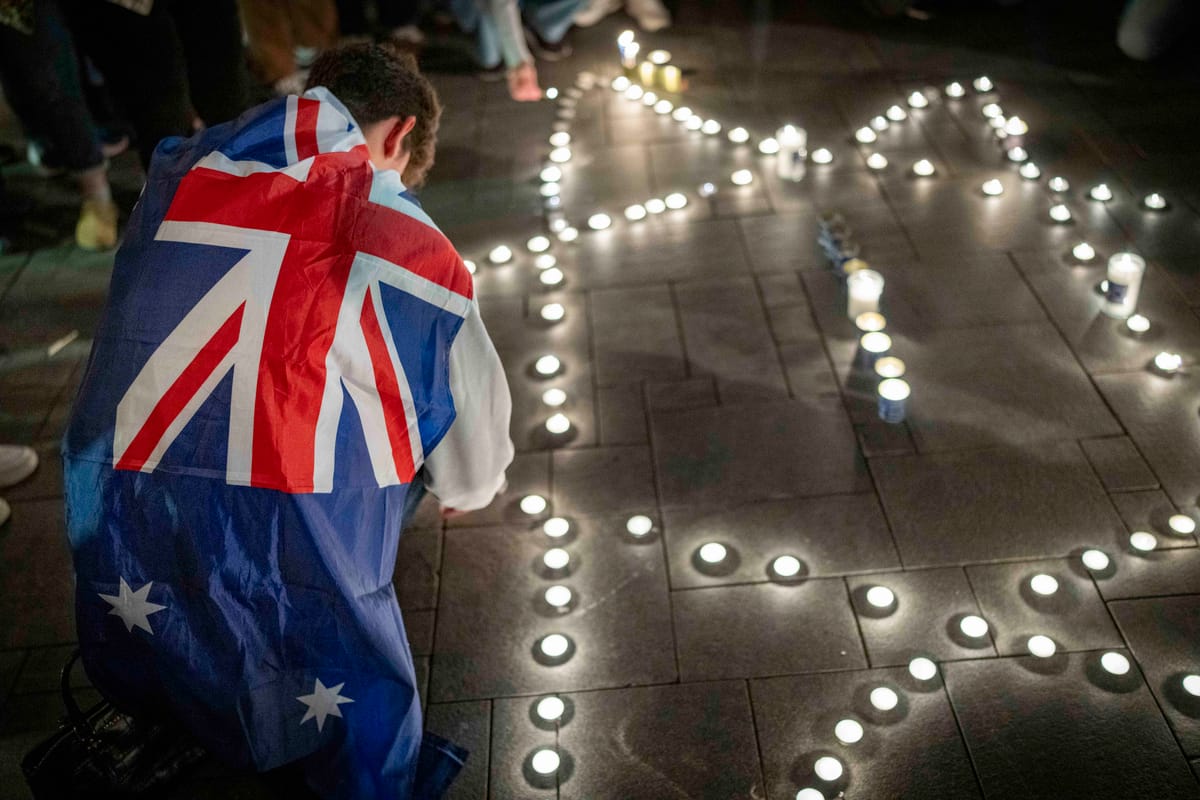
The warning proved tragically accurate. On December 14, two armed men opened fire on crowds gathered at Bondi Beach shortly after 6:40 p.m., killing 15 people and injuring at least 40 others. One attacker was killed at the scene, while the second survived and is now in custody. Authorities later described the attack as ISIS-inspired.
The security assessment emphasized that while groups like Islamic State no longer control territory, their ideology continues to resonate online and can motivate individuals to carry out attacks independently. It also noted the broader extremist environment, referencing recent neo-Nazi activity and the cumulative impact of polarized political rhetoric.
NSW Police declined to confirm or deny whether they received the warning, citing the ongoing criminal investigation and upcoming inquest. The refusal has fueled criticism that security measures at the event were insufficient, particularly given the scale of the gathering and the known threat environment.
Senior government officials have acknowledged failures in addressing rising antisemitism. Australia’s foreign minister said she was “desperately sorry” for the tragedy and conceded that more could have been done, while emphasizing new efforts on hate speech and gun control. She also condemned slogans such as “From the river to the sea” and “Globalise the intifada,” warning that they have been used to incite hatred against Jews.
The prime minister rejected claims that Australia’s recognition of Palestine played any role in the attack, stating that the evidence clearly points to extremist ideology as the driving force. He has resisted calls for a federal royal commission, opting instead for targeted reviews of intelligence and law enforcement agencies to feed into the New South Wales inquiry.
Nearly two weeks after the attack, 11 victims remain hospitalized, two in critical but stable condition. For Australia’s Jewish community, the leaked warning has become a painful reminder of how clearly the danger was articulated, and how devastating the consequences were when it was not acted upon in time.