
Gulf Arab governments did not ask the United States and Israel to launch their war against Iran, but many leaders in the region now believe the campaign should not end before Tehran’s military capabilities are significantly weakened.
Officials and analysts say Iran’s missile and drone attacks across the Gulf since the war began have dramatically changed how regional governments view the threat posed by the Islamic Republic.
“There is a wide feeling across the Gulf that Iran has crossed every red line with every Gulf country,” said Abdulaziz Sager, chairman of the Saudi based Gulf Research Center.
“At first we defended them and opposed the war,” he said. “But once they began directing strikes at us, they became an enemy.”
Since the start of the conflict, Iran has launched attacks on targets in Saudi Arabia, the United Arab Emirates, Qatar, Bahrain, and Kuwait. The strikes have hit airports, oil installations, ports, and commercial areas, while Iranian forces have also disrupted shipping through the Strait of Hormuz, the narrow waterway that carries about one fifth of the world’s oil supply.
The attacks have reinforced fears among Gulf governments that leaving Iran with significant offensive capabilities would allow it to threaten the region’s energy lifeline whenever tensions rise.
At the same time, Gulf leaders remain reluctant to join the fighting themselves.
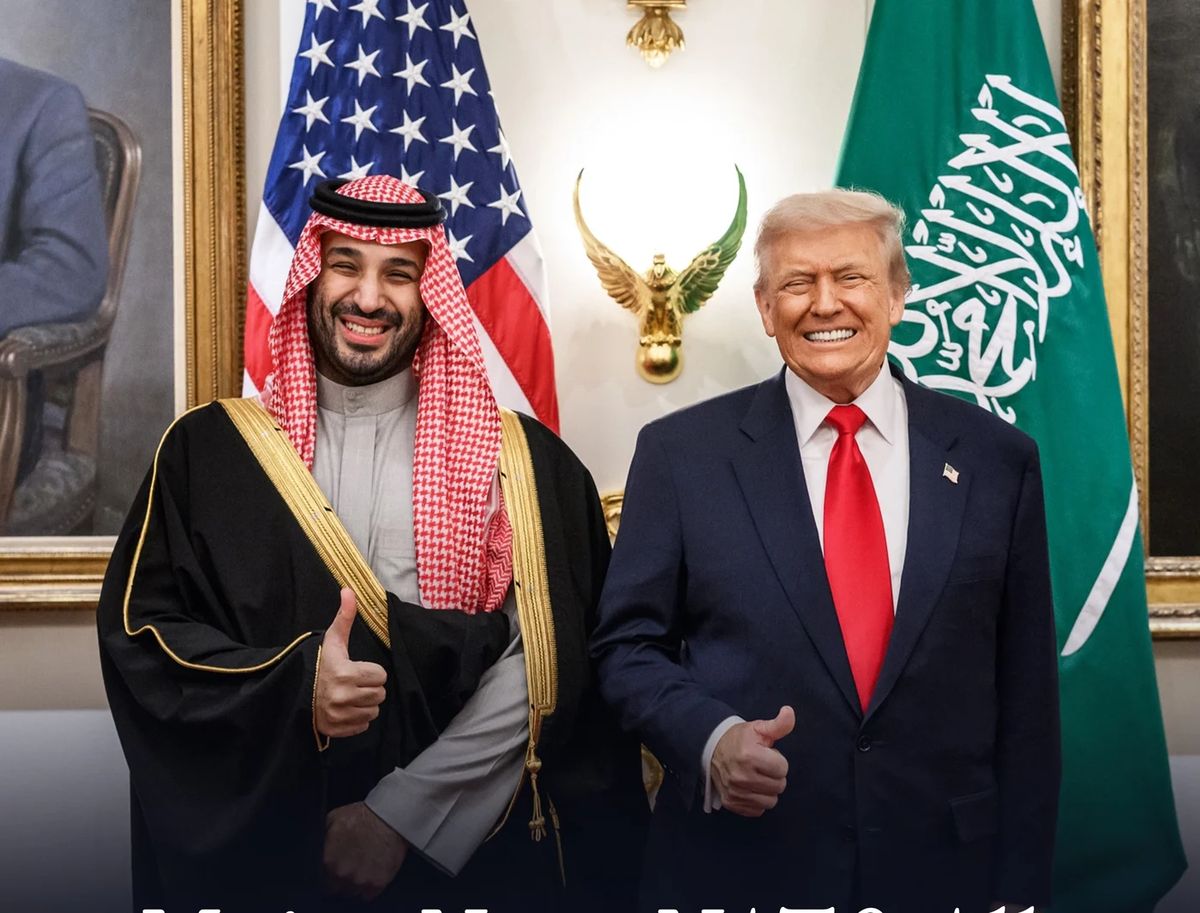
Washington has been pressing regional governments to show more visible support for the US and Israeli campaign. President Donald Trump has pushed allies in the region to back the effort more openly in order to strengthen its international legitimacy and political support.
Despite that pressure, Gulf states appear determined to avoid direct military involvement.
Officials in the region say unilateral action by any individual Gulf country would likely trigger immediate Iranian retaliation. A coordinated military response by the six members of the Gulf Cooperation Council has also not emerged, with leaders holding only limited consultations and no broader Arab summit convened so far.
The United Arab Emirates has emphasized that it does not want to be drawn into escalation, while still asserting its right to defend its sovereignty and protect residents.
Analysts say Gulf governments now face a strategic dilemma: Iran’s attacks have shaken confidence in regional security, but joining the war could expose them to even greater retaliation.
For now, many leaders appear to be pursuing a cautious strategy. They are urging President Trump to continue degrading Iran’s military capabilities while trying to avoid becoming direct participants in the conflict themselves.