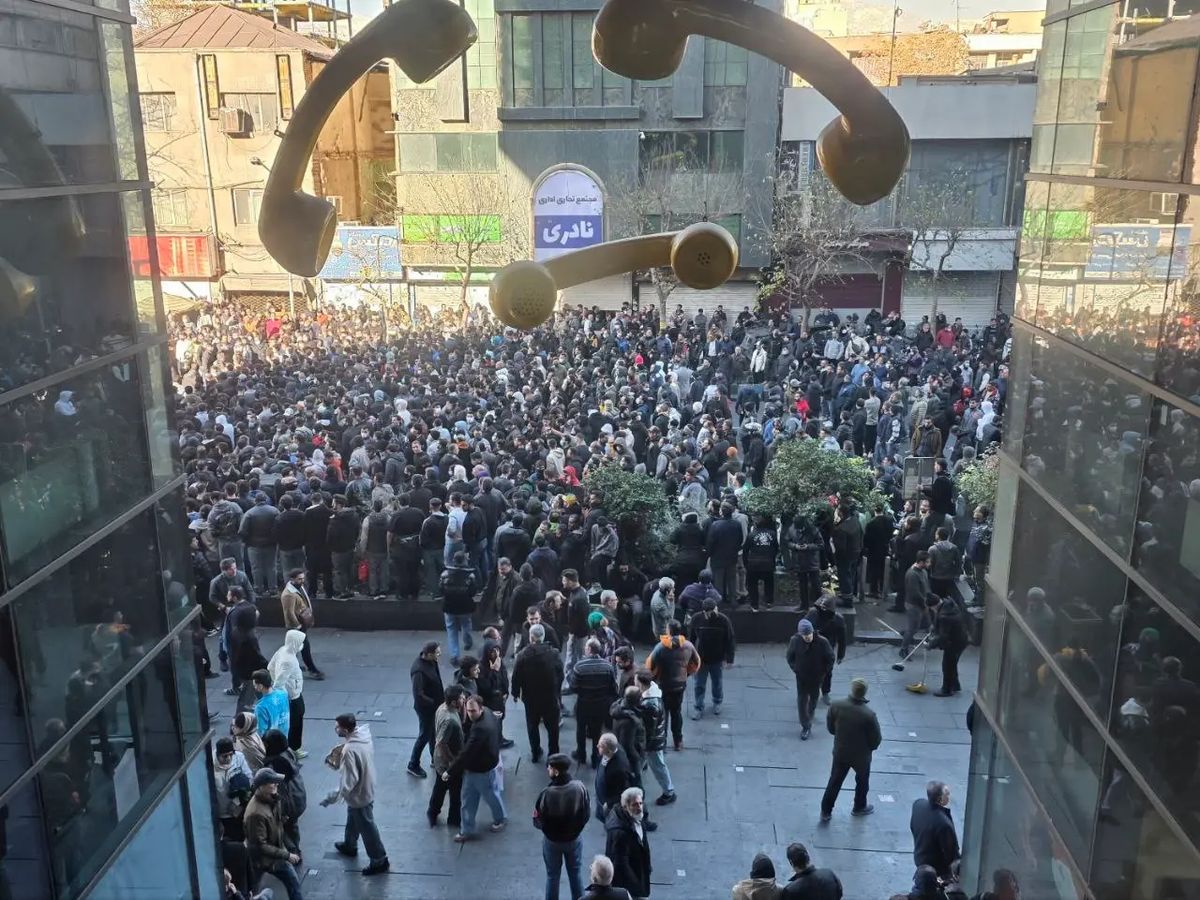
As the Islamic Republic continues to enforce a total information blackout across Iran, the exiled Crown Prince Reza Pahlavi has launched a bold diplomatic offensive from abroad. Pahlavi is calling on millions of Iranians in the diaspora and their international supporters to flood the streets of major world cities on February 14 for a "Global Day of Action." The goal of this coordinated movement is to escalate pressure on Western capitals, moving beyond symbolic condemnations toward concrete actions that would cripple the regime’s ability to survive. With key rallies planned for Munich, Los Angeles, and Toronto, Pahlavi is positioning himself as the voice for the millions inside Iran who have been silenced by a government-mandated internet shutdown that has lasted nearly a month. His message is a direct challenge to the ruling clerics in Tehran, stating emphatically that "the era of fear is over."
A Blueprint for Regime Collapse
In a detailed manifesto released on social media, Pahlavi outlined a series of demands for the international community. He is calling for the world to sever all funding streams to the regime, restore free communications for the Iranian people, and expel "diplomats" who act as agents for the state. Most significantly, he is urging Western nations to prepare for the recognition of a transitional authority to replace the current government. Pahlavi is also demanding the immediate release of all political prisoners and the pursuit of legal accountability for any official involved in the recent massacres.
The call for action comes as reports emerge of a staggering death toll within the country. While Iranian state media puts the number of dead at 3,117, independent rights groups such as HRANA have documented a verified toll of at least 5,848, including over 200 security personnel. Documentation has become nearly impossible since the regime blocked internet access on January 8, a move Amnesty International described as a weapon to hide the "deadly peak" of the crackdown. By cutting the wires, the Islamic Revolutionary Guard Corps (IRGC) hopes to commit atrocities in the dark, making Pahlavi’s push for global visibility a matter of life and death for the resistance.
The IRGC Terror Designation and the Israeli Connection
The geopolitical landscape has already begun to shift in favor of the protesters. In a landmark decision, the European Union recently designated the IRGC as a terrorist organization. This move aligns Europe with the United States and creates massive legal barriers for any company or country attempting to do business with the Guard’s vast financial networks. For Israel, the weakening of the IRGC is a critical security development. The Guard is not only the regime’s domestic enforcer but also the primary financier and arms supplier for regional terrorist groups like Hezbollah, Hamas, and Palestinian Islamic Jihad.
The IRGC provides the oxygen for the terror machine that has targeted Israeli civilians for decades. A cornered and cash-strapped IRGC may attempt to lash out to preserve its grip on power, but the sustained momentum of the diaspora could make it increasingly difficult for the West to continue doing business with Tehran. Whether February 14 becomes a turning point hinges on the world’s willingness to recognize a new Iranian authority and finally cut the lifelines of a regime that survives by shooting in the dark.