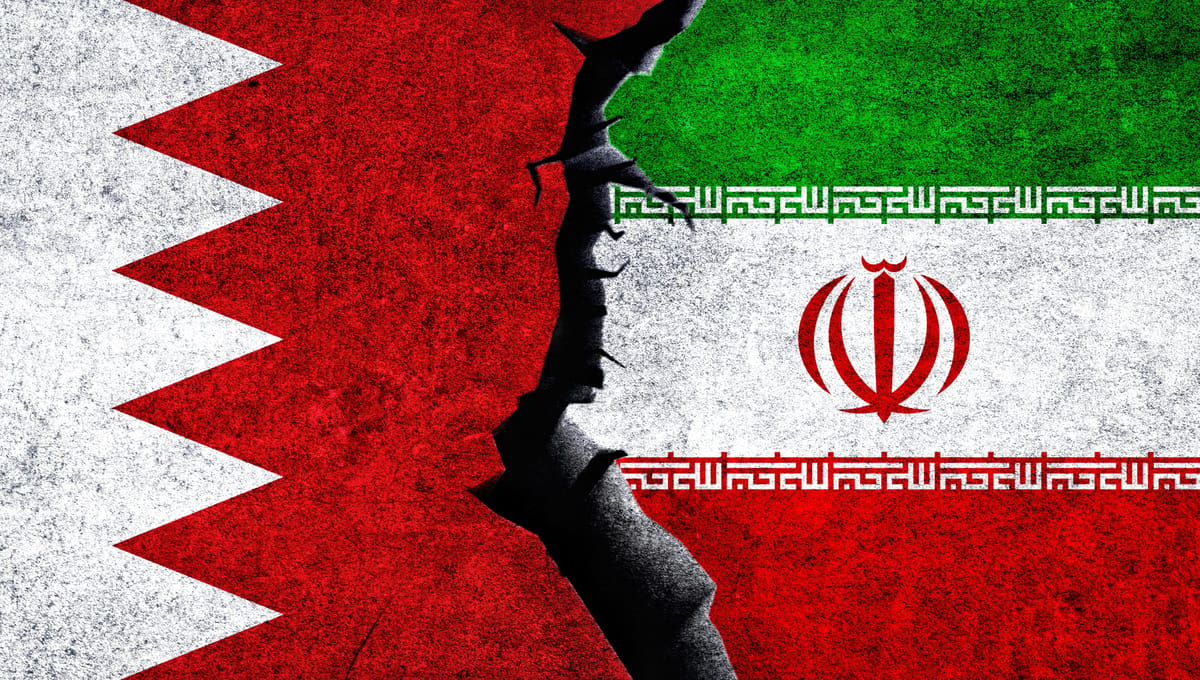
Iran''s Larijani said there would be more no more attacks on Iran's Arab neighbors. But that's not the case.
Bahrain's Ministry of Interior reported on Sunday that an Iranian drone attack caused "material damage" to a desalination plant, marking the first instance of an Arab nation accusing Iran of targeting such critical water infrastructure during the ongoing nine-day war.
The strike, described as part of "Iranian aggression randomly bombing civilian targets," did not disrupt overall water supplies, according to Bahrain's water authority.
The incident follows Iran's Foreign Minister Abbas Araghchi's statement that a U.S. airstrike damaged a desalination plant on Iran's Qeshm Island, which he claimed set a "precedent" for such actions.
Qeshm Island, located at the mouth of the Strait of Hormuz, supports water for multiple villages, highlighting the potential humanitarian implications of targeting desalination facilities.
Desalination plants are vital in the Gulf region, where countries like Bahrain rely on them for up to 90% of their freshwater due to scarce natural sources.
Bahrain, with limited groundwater, produces around 75% of its drinking water through desalination, making these sites essential for daily life and economic stability.
Analysts have long highlighted the vulnerability of these facilities, noting in Gulf security studies that attacks could lead to immediate humanitarian crises, including water shortages, health emergencies, and mass displacement in arid environments.
Similar concerns have been raised for neighboring states like the UAE, Saudi Arabia, Kuwait, and Qatar, where desalination supports tens of millions.
This strike is part of broader Iranian operations against Bahrain since February 28, 2026, including hits on refineries, military bases, and power stations.
Bahrain has intercepted over 50 drones and missiles in recent days, but some have penetrated defenses.
Reports also indicate debris from Iranian attacks damaged a university in Bahrain, injuring three people.
The escalation raises fears of war crimes under international law, as targeting civilian water infrastructure could violate protections for essential services.
No immediate responses from Iranian officials were available, and the U.S. has not confirmed the Qeshm strike, though Iranian media attributes it to American forces.
Regional experts warn this could expand the conflict, with potential strikes on similar infrastructure in other Gulf states prompting global concerns over water security and humanitarian fallout.