
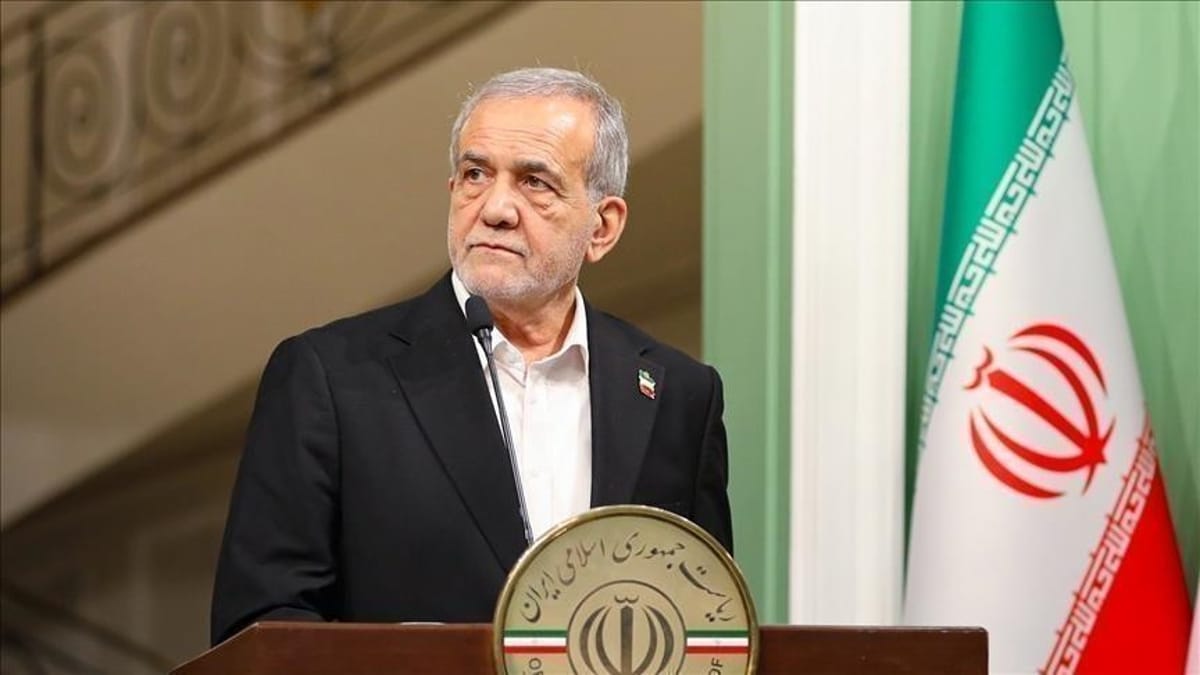
Political pressure is intensifying on Iranian President Masoud Pezeshkian as resignations and near-resignations within his administration expose growing fractures in a government that promised moderation and “national consensus,” but is now accused by former allies of paralysis and erosion.
Over the past month, three senior advisers linked to Pezeshkian’s inner circle have resigned, each citing restrictions on expression and the increasing dominance of conservative power centers. At the same time, Vice President Mohammad-Reza Aref attempted to resign in recent days, according to Iranian media reports, but his resignation was rejected by the president, highlighting both internal dissent and Pezeshkian’s reluctance to allow further public cracks to show.
The wave of departures began in November when Fayyaz Zahed, a member of the Government Information Council, resigned publicly, condemning the administration for appointing conservatives under the banner of “national consensus” while stifling dissenting voices. Zahed, a journalism professor and head of the Tehran Journalists’ Trade Association, had repeatedly criticized limits on media freedom, judicial independence, and free expression.
Days later, veteran journalist Mohammad Mohajeri followed suit, also resigning from the council and warning that the government’s approach was hollowing out its own credibility among reform-minded supporters.
The third resignation came over the weekend, when sociologist Mohammad-Reza Javadi-Yeganeh announced he was leaving the president’s Center for Public Communications and returning to academia. In his resignation statement, he criticized the administration for failing to lift internet restrictions, a key campaign pledge that has stalled under pressure from hardliners.
Javadi-Yeganeh had recently shared excerpts from a confidential government-commissioned survey indicating public dissatisfaction approaching 92 percent, a figure that circulated rapidly and fueled criticism of the administration’s direction.
Moderate outlets have described the developments as a phase of “political erosion,” warning that the resignations, combined with rumors of further departures and threats of parliamentary impeachments, signal a deeper crisis of authority.
The political strain is unfolding amid worsening economic conditions. Efforts to stabilize the currency and adjust fuel prices have pushed up the cost of living, while shortages of some medicines persist. Critics argue that despite the growing economic pain, Pezeshkian has avoided making changes where they would carry the highest political cost.
Particular attention has focused on Central Bank Governor Mohammad Reza Farzin, a holdover from the previous conservative administration, whom Pezeshkian has declined to replace despite sharp criticism over the rial’s collapse.
In a pointed warning, journalist Hamid Shojaei wrote that only reform-minded figures seem to pay the price for the crisis, asking the president directly: “The cycle of resignations will continue. Is your national consensus not limping? Where are you headed?”
For now, Pezeshkian remains in office, but the image of a unifying administration is giving way to one of a government under strain, struggling to assert authority as economic pressure mounts and political support quietly drains away.