Iran is facing a severe nationwide internet blackout as anti-government protests, initially sparked by economic hardships, continue to spread across all provinces, entering their 12th day on Thursday. The disruptions, which began with regional throttling earlier this month, escalated dramatically today, effectively isolating millions of Iranians from global online access and hindering the flow of information about the demonstrations.
According to data from cybersecurity firm Cloudflare Radar, Iran's announced IPv6 address space plummeted by approximately 98.5% around 15:30 local time (12:00 UTC), reducing advanced connectivity and causing widespread instability. Mobile internet has been almost completely cut off from external access, with packet loss exceeding 30% and repeated jitter spikes making connections unreliable in major cities like Tehran, Karaj, Isfahan, Shiraz, Mashhad, and Tabriz.
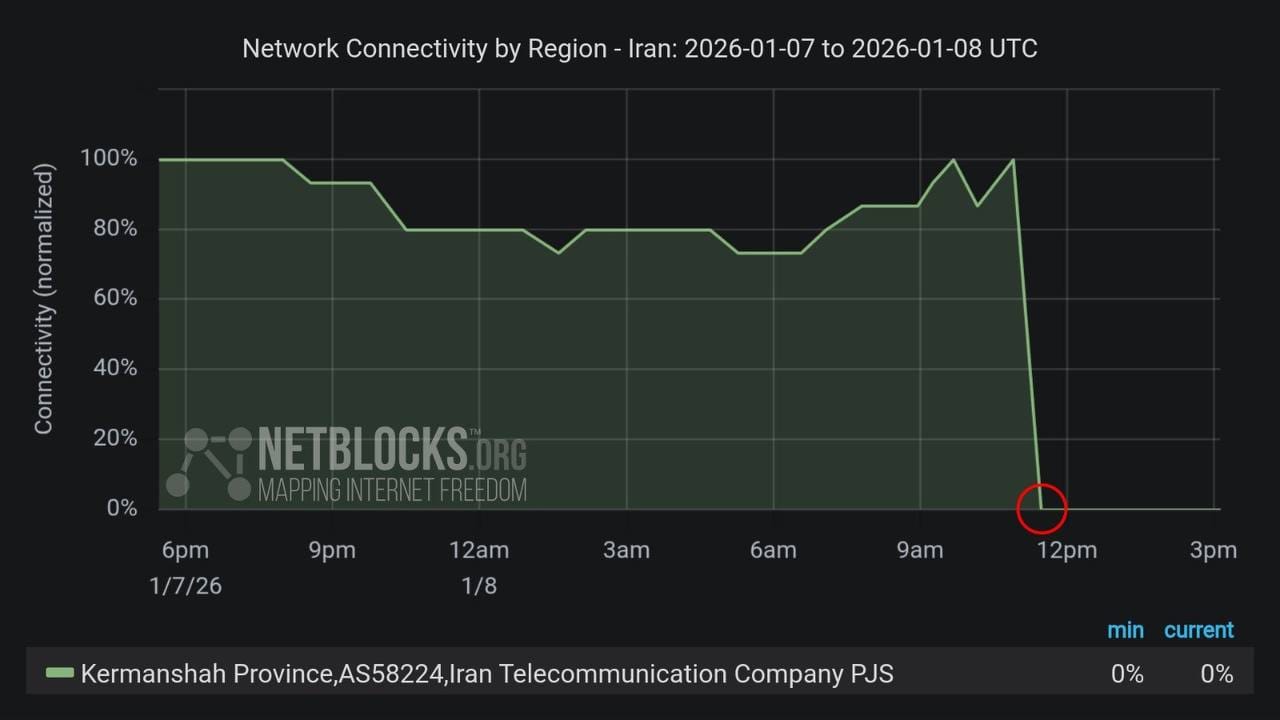
Full or near-total blackouts are reported in western and Kurdish-majority regions, including Ilam, Abdanan, Chaharmahal and Bakhtiari, Javanrud, Ravansar, Kermanshah, Paveh, Marivan, Sanandaj, Sarpol-e Zahab, Saqqez, Bukan, Malekshahi, and Lordegan, where outages have persisted for hours or days.
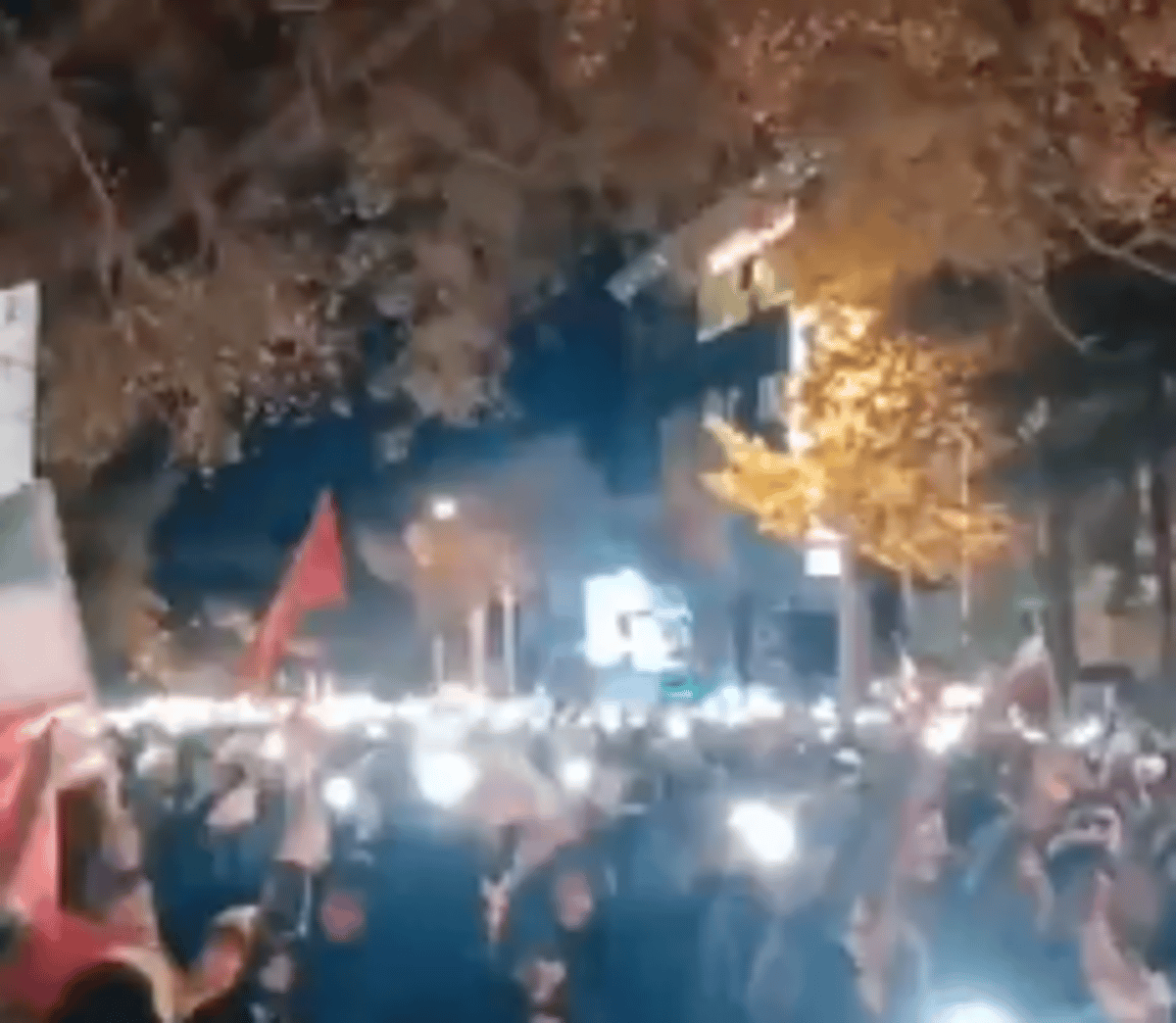
The blackout coincides with intensified protests, which have evolved from merchant strikes over currency collapse and inflation into broader calls for regime change. Demonstrations have reached rural areas and every province, with chants supporting Crown Prince Reza Pahlavi and demands for economic reform.
Security forces have responded with violence, including the use of live fire, water cannons, and arrests. At least 38 people have been killed, and over 2,200 detained, according to the U.S.-based Human Rights Activists News Agency.
Iranian President Masoud Pezeshkian has acknowledged protesters' grievances, stating, "If people are unhappy with us, we are the ones at fault," while offering dialogue, but the regime has signaled readiness for harsher measures.
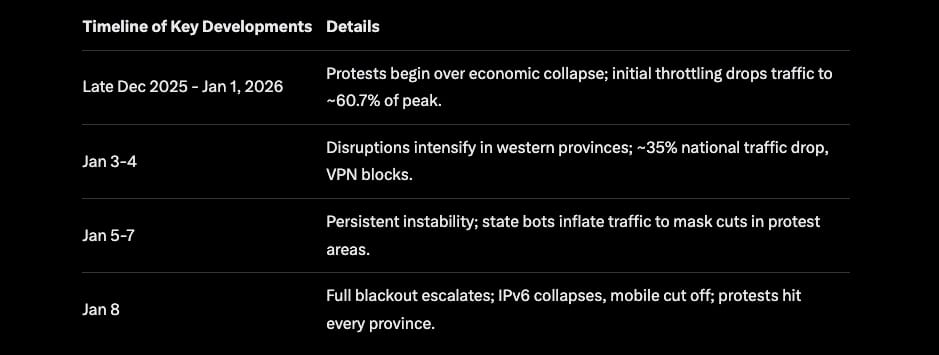
Unlike the immediate full shutdowns during the 2022 Mahsa Amini protests or the 2019 "Bloody November" events, authorities initially employed "engineered degradation"—throttling international bandwidth, blocking VPNs, and applying regional restrictions—to avoid broader economic fallout.
Early disruptions, starting around January 3, led to a 35% drop in national traffic, with more severe cuts in protest hotspots like Asadabad and Kermanshah.
By January 8, following Pahlavi's call for mass demonstrations at 8 p.m., the regime imposed a more comprehensive blackout, switching many areas to a domestic intranet.