
Iran is considering imposing transit fees on vessels passing through the Strait of Hormuz, according to Iranian officials, in a move that could further disrupt global energy markets and shipping routes.
A lawmaker said parliament is reviewing a proposal that would require countries using the strait for shipping, energy transport and food supplies to pay tolls to Iran. The measure would apply to one of the world’s most critical maritime chokepoints, through which roughly a fifth of global oil and liquefied natural gas flows.
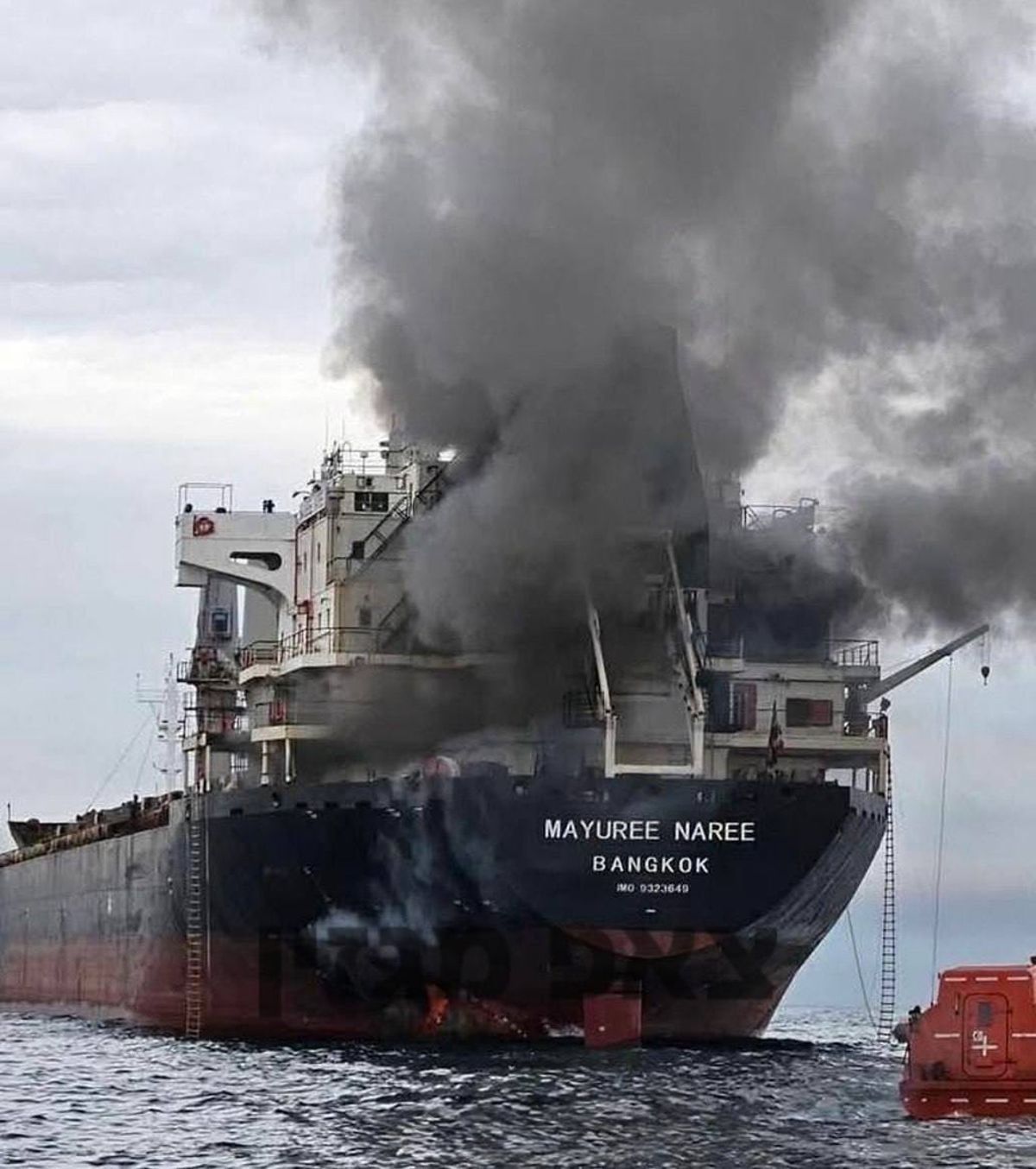
The proposal comes as Tehran has already begun restricting maritime traffic since the start of the US-Israeli war, targeting vessels it says are linked to its adversaries and their allies. Shipping through the strait has been increasingly disrupted by inspections, delays and security threats.
Iranian officials have framed the potential fees as part of a broader shift in how the waterway could be managed following the conflict. An adviser to Iran’s leadership said a “new regime” for the Strait of Hormuz could emerge after the war, allowing Tehran to impose restrictions on countries that have sanctioned it.
The statement suggests Iran is seeking to leverage its geographic control over the strait as both an economic and political tool.
Any move to formalize transit fees would likely face strong international opposition, as the strait is widely considered an international waterway essential to global trade. However, Iran’s recent actions have already demonstrated its ability to influence traffic through the route, even without formal control mechanisms.
The development adds to mounting concerns over energy security, as disruptions in the strait have already contributed to rising oil prices and increased volatility in global markets.
Analysts say that beyond immediate military risks, the growing use of economic pressure tactics in the waterway could have longer-term implications for shipping, insurance costs, and global energy supply chains.