“I don’t want to die! … I want to live. No, I don’t want to die … I feel lonely. Why do I feel so lonely, isolated? Am I feeling the poverty of my soul? Homesick?”
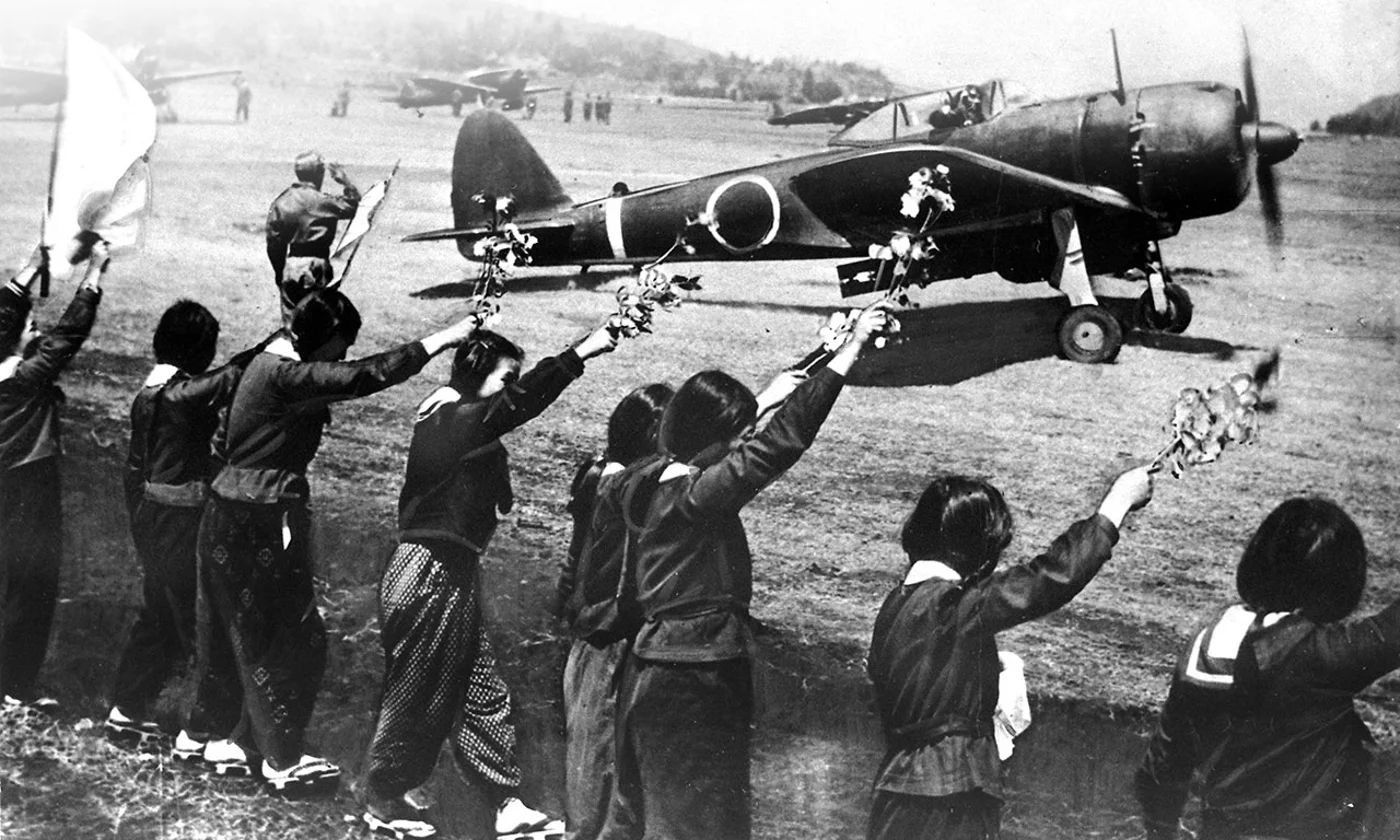
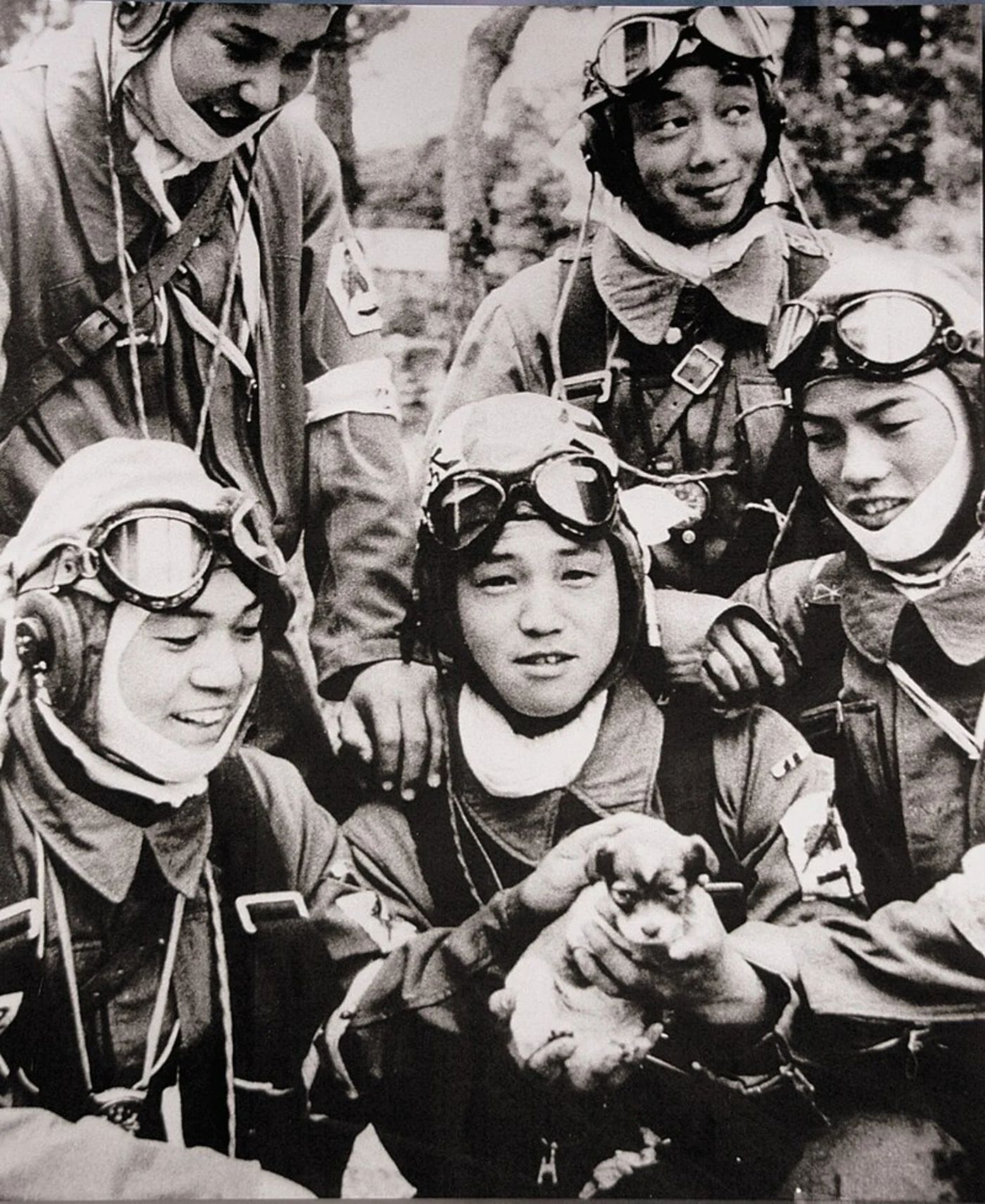
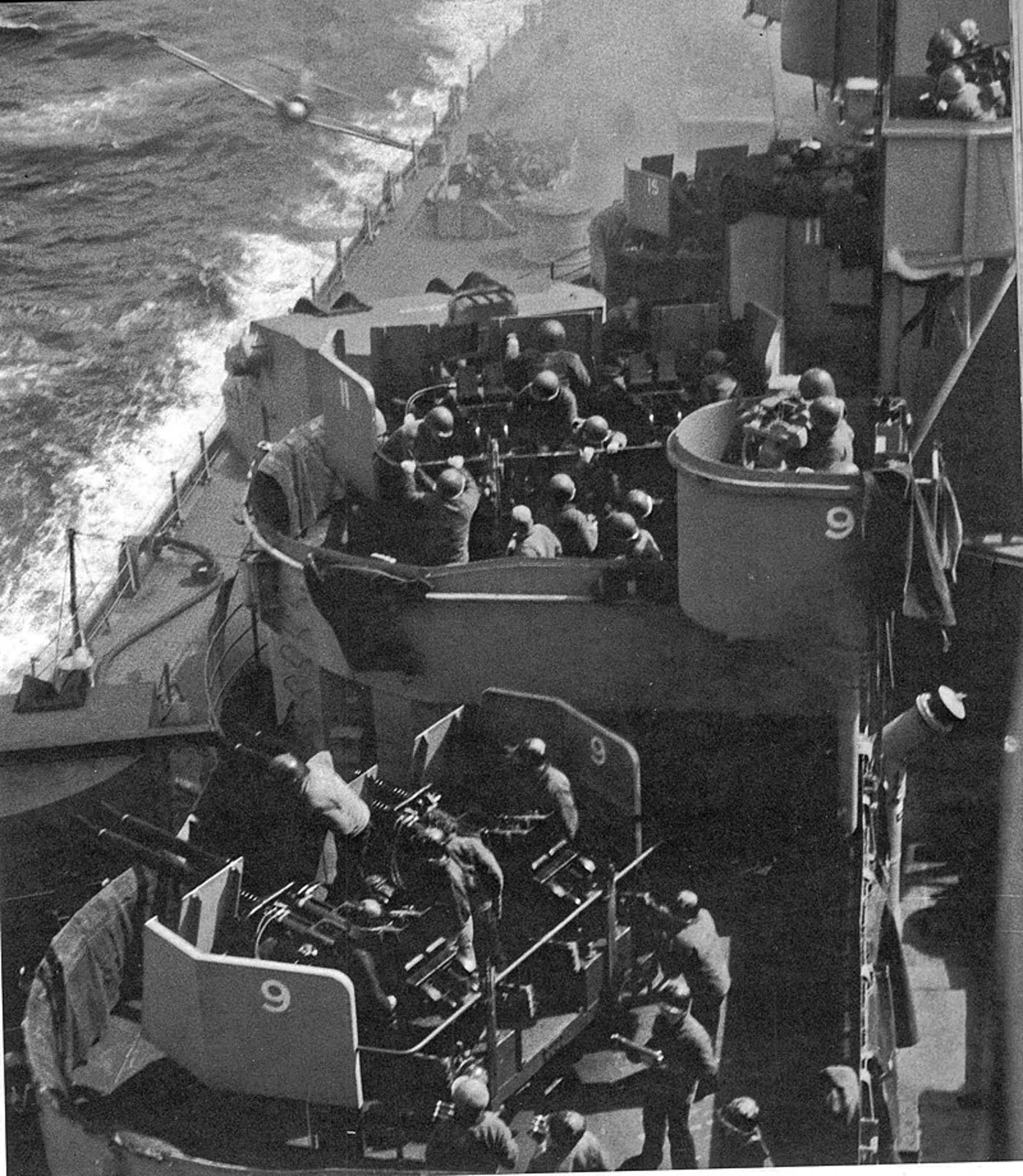
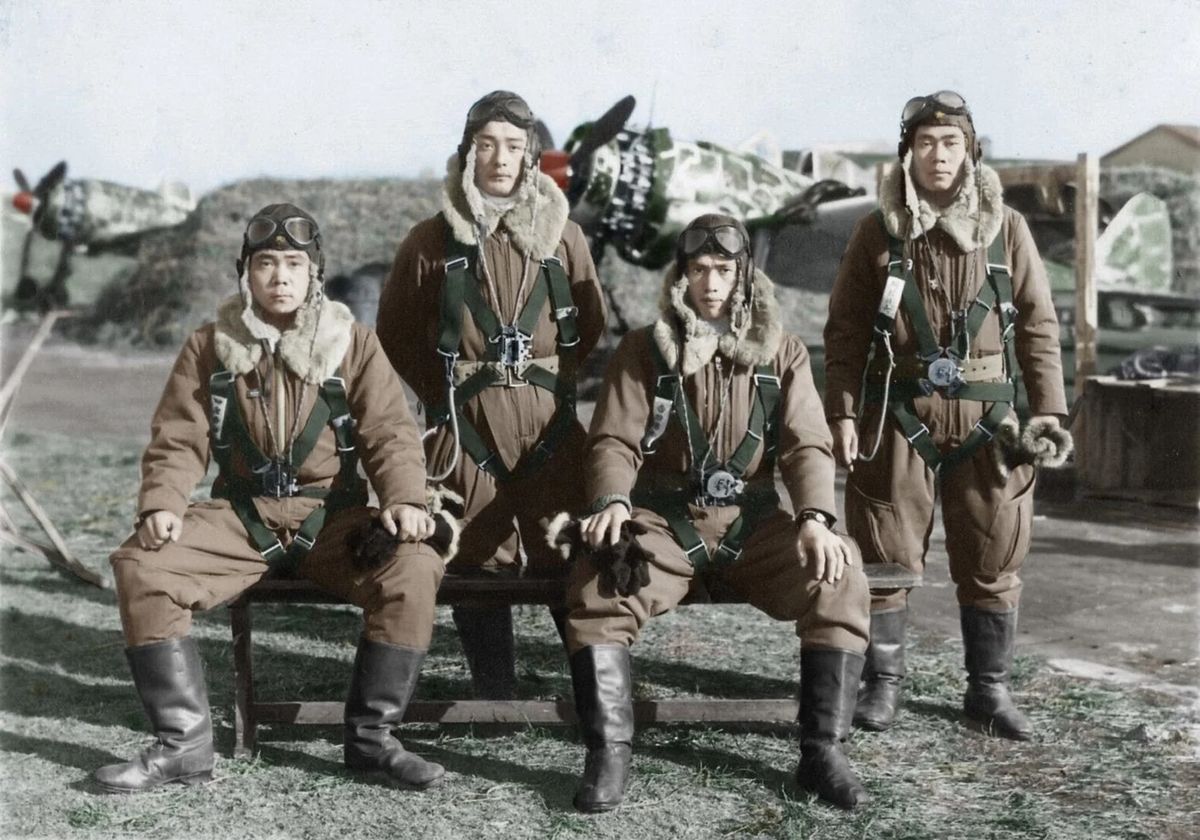
This is what Hayashi Tadao, a Japanese kamikaze pilot, wrote in his diary on November 26, 1940. His words echo the despair of a generation caught in the jaws of a hopeless war. Decades have passed since young Japanese men smashed into the prows of American ships. But not all were blank slates or death-eaters. In countless yellowed diaries and letters, a different voice emerges, hesitant, life-loving, and far from the stereotypical image of kamikaze pilots as blind zealots.
The Wounded Tiger: The Birth of Kamikaze
By October 1944, three years after Pearl Harbor, Japan faced a grim strategic reality. Conventional warfare with bombs and torpedoes proved ineffective and costly. Despite a top-tier military leadership and a nation of 100 million indoctrinated with blind loyalty to the emperor and imperial ambitions, Japan couldn’t match the United States’ industrial might, its innovation, ingenuity, and mass production were unprecedented and decisive.
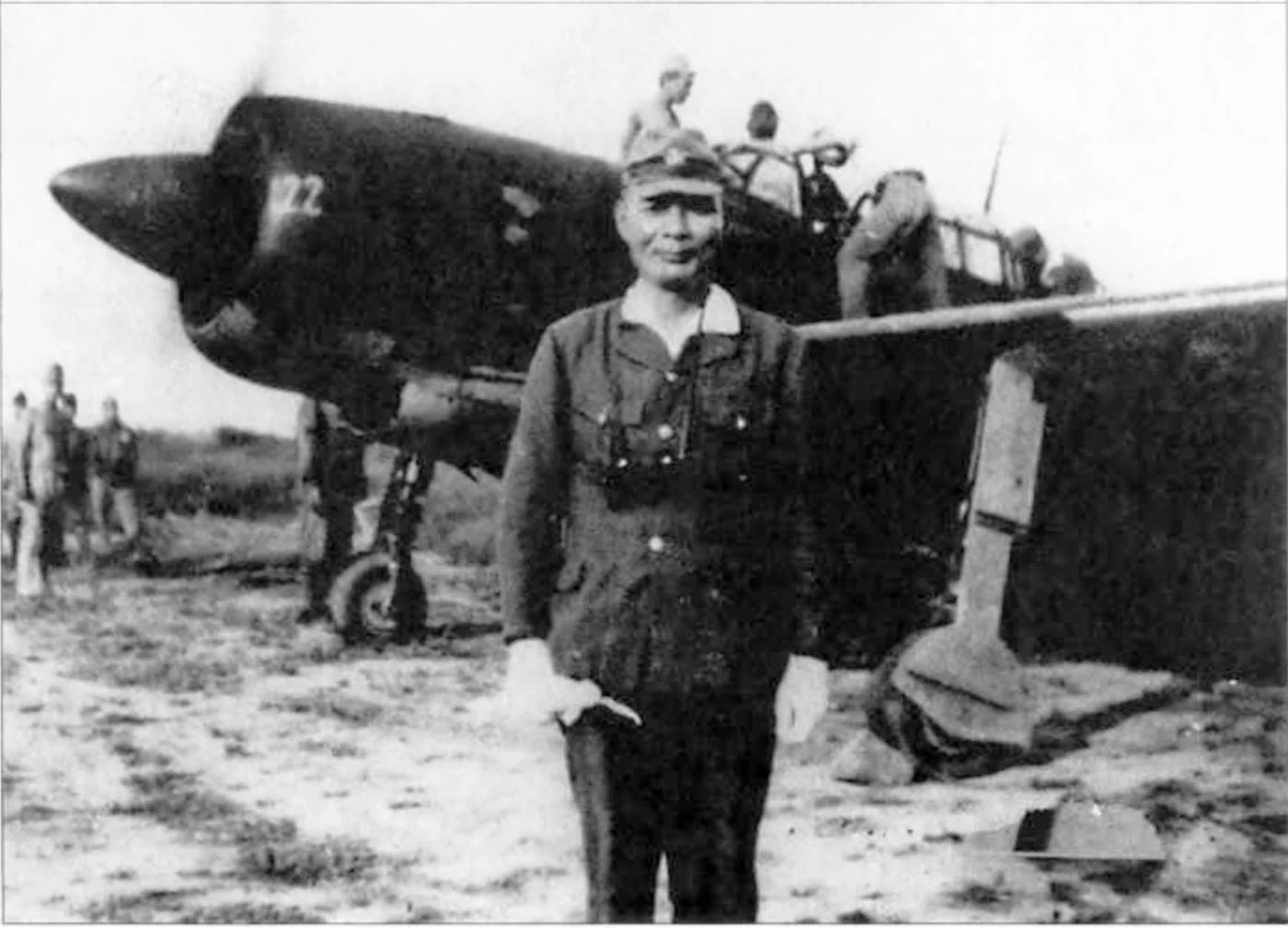
After the devastating Battle of Leyte Gulf (October 23–26, 1944), where Japan’s navy was nearly obliterated, the situation hit rock bottom. On October 14, Vice Admiral Takijiro Onishi, head of the Naval Air Arsenal in Tokyo, proposed a radical idea: use Zero fighter planes armed with 500-pound bombs to crash directly into enemy aircraft carriers. Onishi believed the Japanese spirit, seen as uniquely capable of facing death without hesitation, was the only way to pull off a miracle and save the battered homeland. Two days later, the plan was approved, and Onishi was tasked with leading the First Air Fleet in the Philippines.
On October 20, 1944, the first kamikaze unit, named Yamato, was formed with 24 pilots and planes divided into four squads, each named after symbols of the Japanese spirit. The term “kamikaze” (divine wind) was inspired by two legendary typhoons that miraculously destroyed a Mongol invasion fleet in the 13th century.