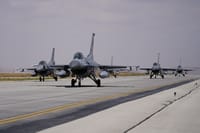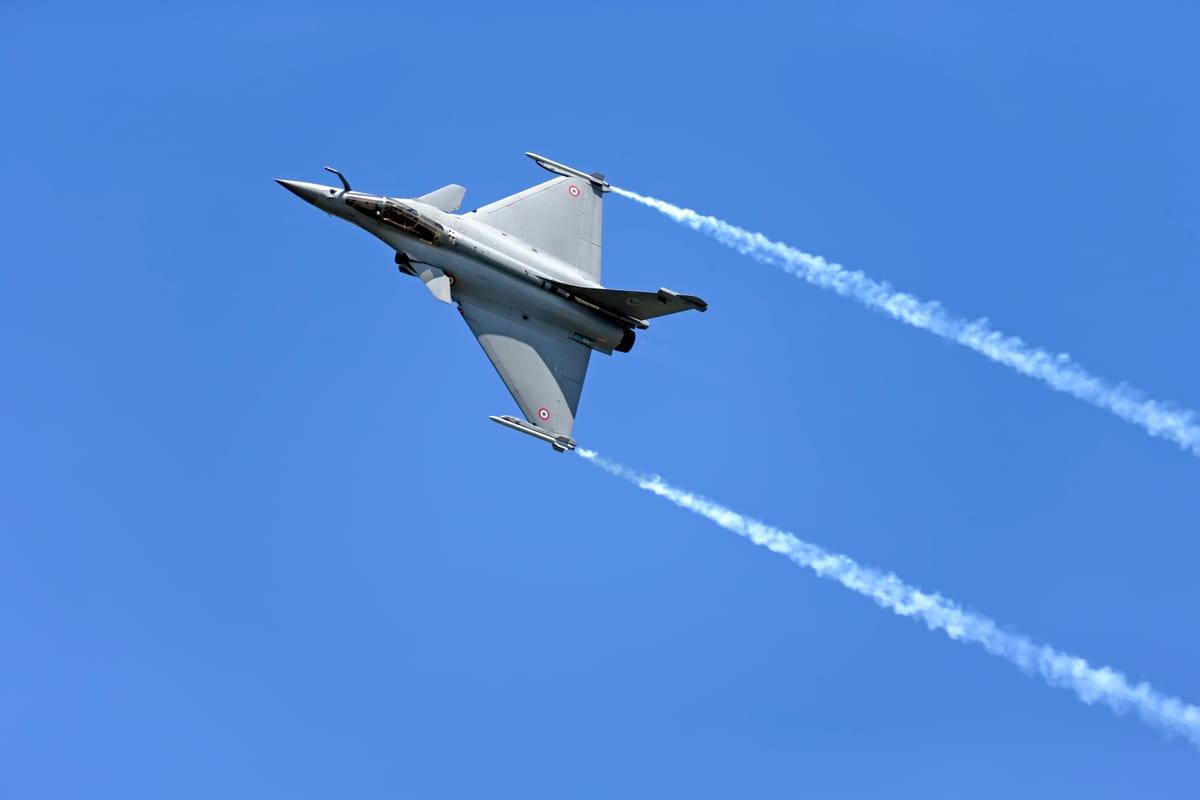
The Royal Air Force was forced into a high speed scramble on Tuesday after a Russian military aircraft was detected flying toward the United Kingdom’s area of interest. Two Typhoon fighter jets were launched from their base under a Quick Reaction Alert mission to intercept and monitor the foreign plane as it approached British territory. This incident occurs during a period of heightened global instability and serves as a stark reminder of the persistent maritime and aerial shadow war being fought between NATO members and the Russian Federation. Although the Russian aircraft eventually altered its trajectory before entering sovereign UK airspace, the encounter forced British pilots to remain on high alert throughout the duration of the flight.
A Rapid Response in the Clouds
The scramble was initiated after British radar systems identified a Russian aircraft operating without a filed flight plan or communication with civilian air traffic control, a practice that often creates significant safety risks in busy international corridors. The Typhoon jets, capable of reaching speeds well over Mach 2, were airborne within minutes to establish visual contact with the Russian plane. This type of maneuver is designed to show strength and readiness, ensuring that any potential intruder understands that the UK border is actively defended. According to defense officials, the Russian aircraft remained in international airspace for the duration of the event, but its specific heading and proximity necessitated the deployment of the supersonic interceptors.
Military experts note that these types of aerial incursions have become a regular occurrence since the escalation of the war in Eastern Europe. Russia frequently utilizes long range patrol aircraft to test the response times and radar capabilities of Western nations. The RAF has maintained a rigorous training schedule to ensure that its pilots can respond to such provocations at any time of the day or night. While the Russian plane changed its course and headed back toward its own territory, the British Ministry of Defence emphasized that the safety and security of the United Kingdom remain the top priority. The encounter ended without any direct kinetic engagement, but it highlights the precarious nature of international relations and the constant vigilance required to maintain the integrity of British skies.
Following the mission, the Typhoon pilots returned to their base, having successfully deterred a potential violation of airspace. This event is part of a broader pattern of increased Russian military activity across the North Sea and the Atlantic, forcing the UK and its allies to keep a constant watch on their borders. As the war continues to drain resources and heighten regional anxieties, the sight of RAF jets streaking across the sky to meet a foreign threat has become an increasingly common, yet no less serious, reality for the British public.