The massive success of the Israeli Air Force in conducting thousands of long range sorties against Iranian targets during Operation "Lion’s Roar" was made possible by an unprecedented reliance on American aerial refueling assets. For the first time in the history of the state, Israel’s ability to maintain its military operations over such vast distances was tied directly to a fleet of U.S. tankers stationed at Ben Gurion Airport. While miltary analysts praise the cooperation, the mission has exposed a glaring vulnerability in Israel’s defense infrastructure: a small and aging fleet of refueling planes that may not be sufficient for the next round of the war without foreign intervention.
The Fuel Economy of War
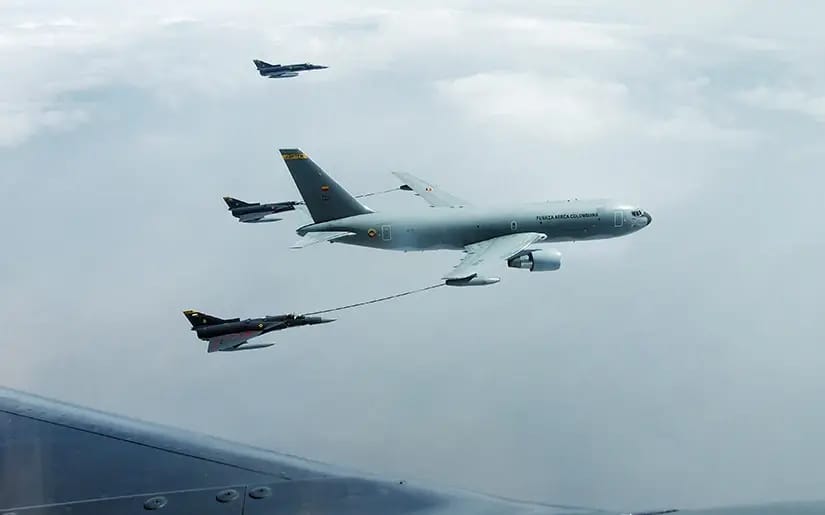
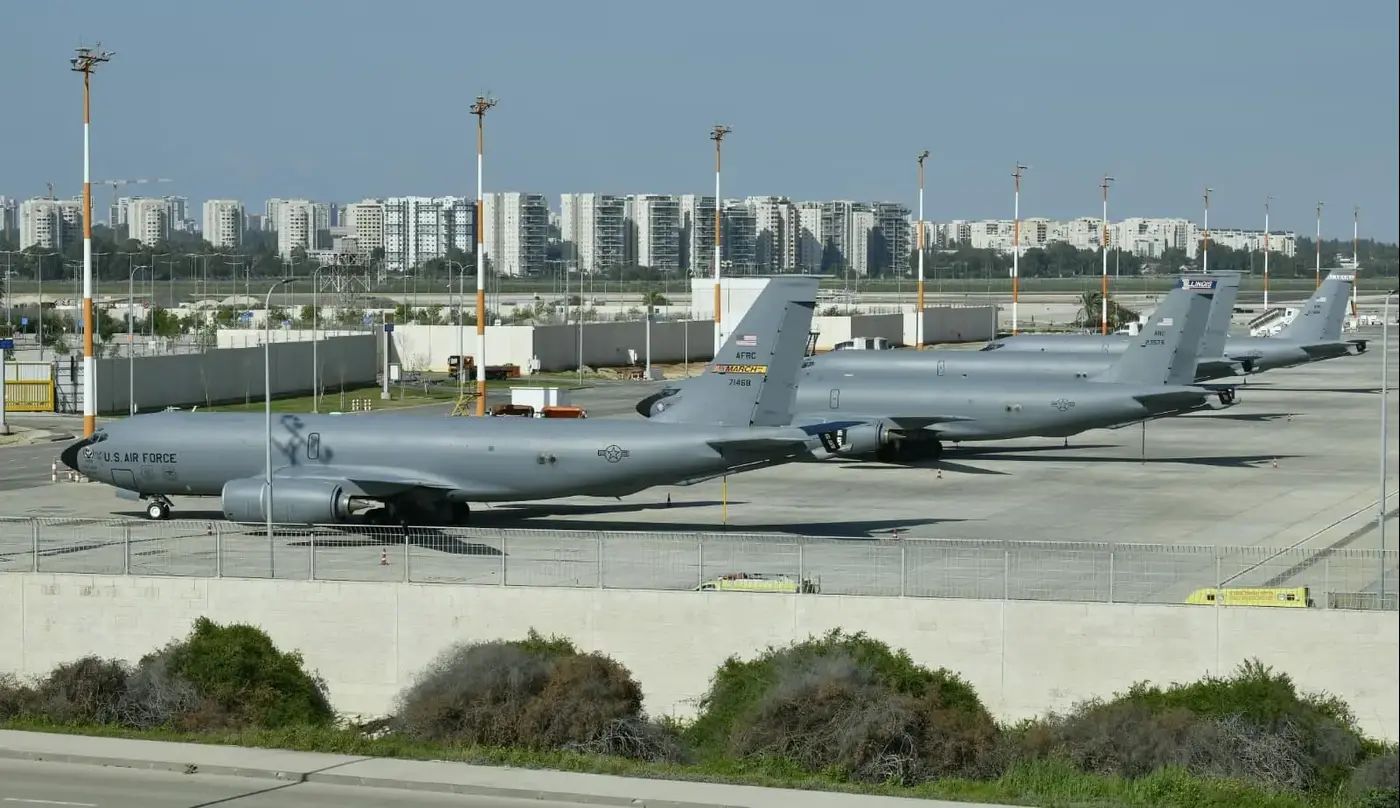
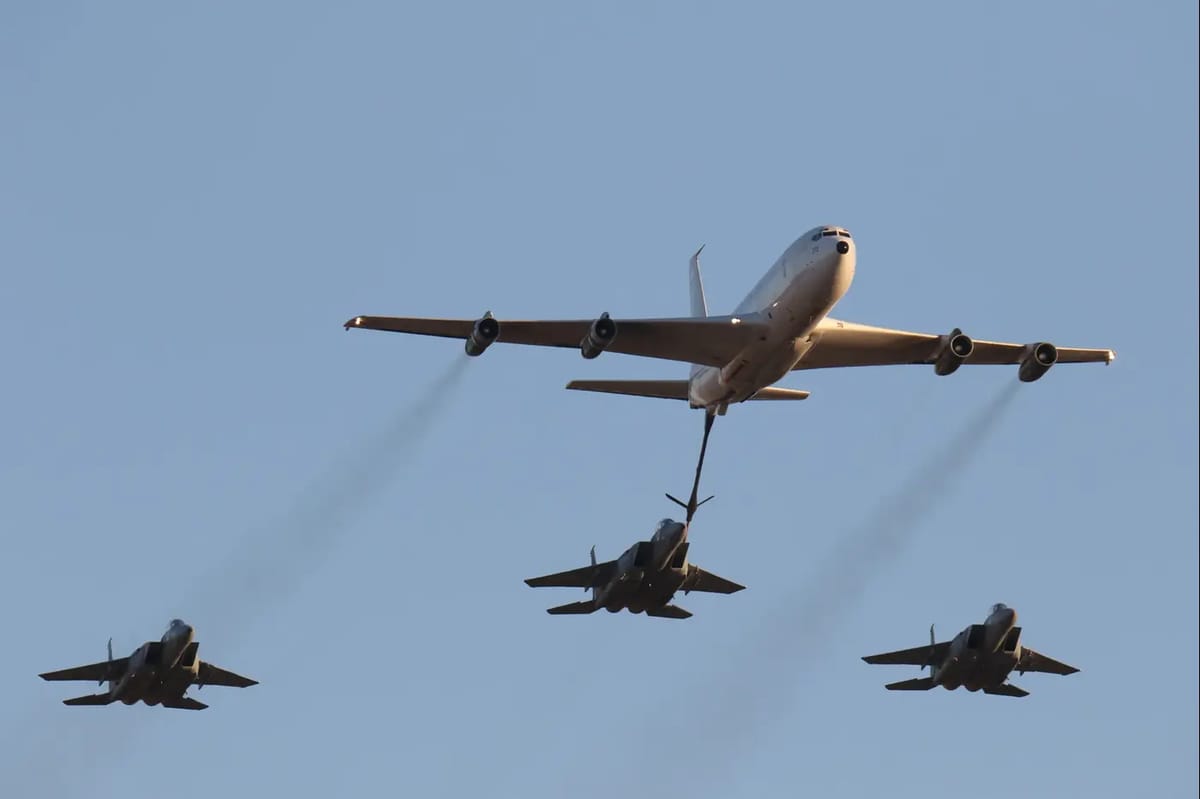
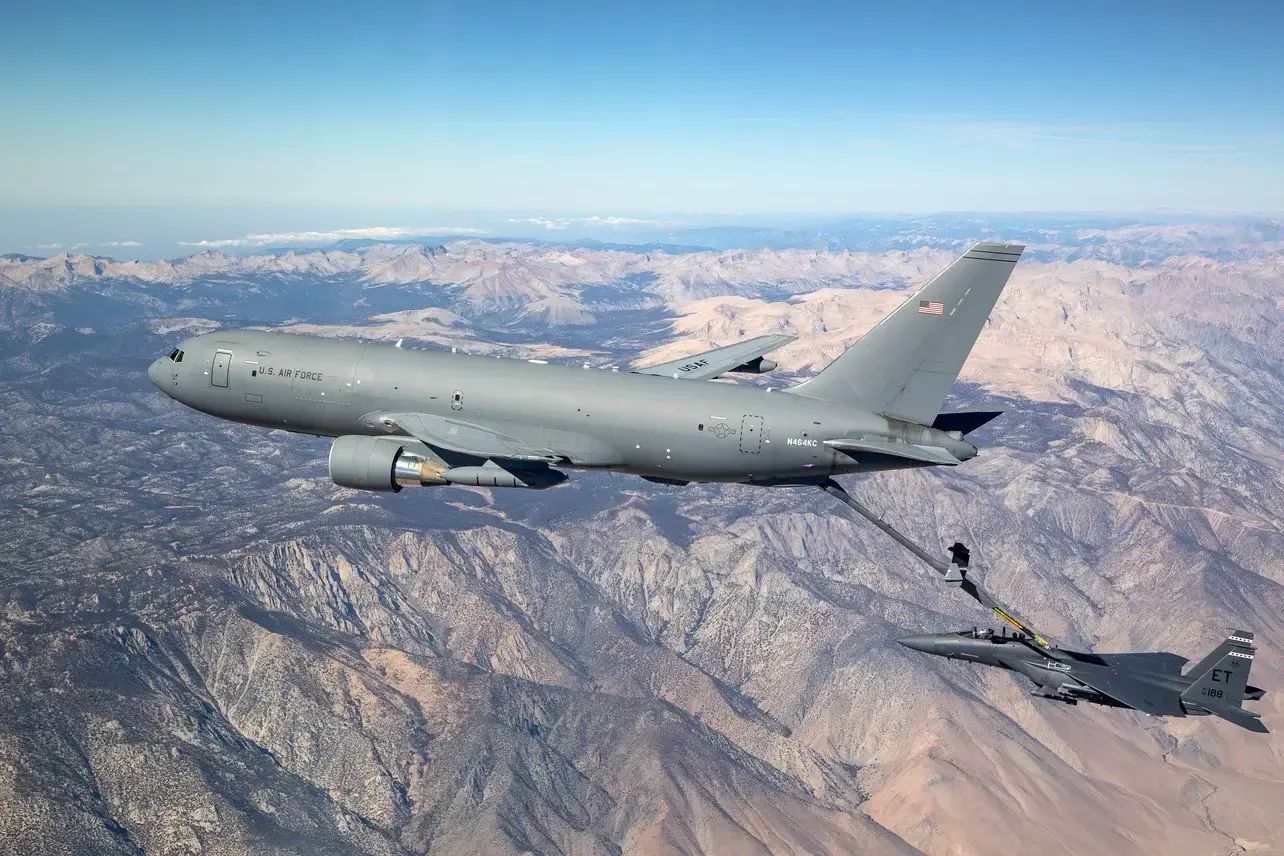
Military experts refer to the recent campaign as a "tanker economy." To reach targets in Isfahan, Shiraz, and Tehran, Israeli F-15 and F-35 fighter jets must refuel at least once, often twice, during their flight. Israel’s current fleet consists of Boeing 707 aircraft, some of which are 60 years old and were modified locally decades ago under the code name "Green Salad." These aircraft are becoming increasingly expensive to maintain, and while new Boeing KC-46 Pegasus tankers have been ordered, they are not expected to arrive in full numbers until 2030. During the recent escalation, President Donald Trump approved the use of American KC-135 and KC-46 aircraft to bridge the gap, essentially turning Israel’s main civilian airport into a U.S. refueling hub.
This dependency has raised alarms within the defense establishment. A military source involved in the procurement process noted that while the American support was vital, it came at the cost of national independence. "The Boeing jets are not here yet, and the old ones are still working, but the maintenance is getting more expensive due to age," the source explained. There are now calls to involve local industries in converting used Boeing 767s into tankers to speed up the process. If a future U.S. administration refuses to provide such extensive support, Israel may find its world class fighter jets unable to reach the very targets that pose the greatest existential threat to the country.