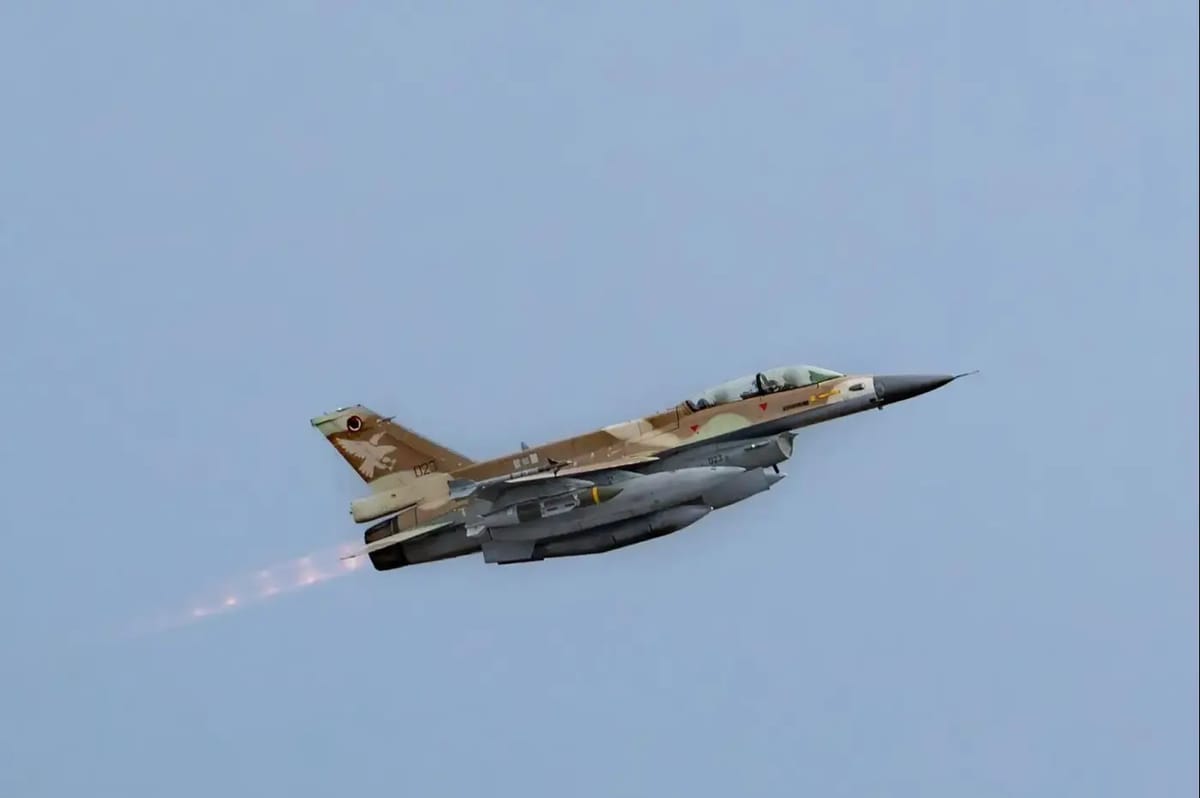
Israeli Air Force Commander, Major General Tomer Bar, has issued a directive for all squadrons to prepare for a rapid return to full scale offensive operations. Despite the current ceasefire, the military establishment is operating under the assumption that the truce could collapse at any moment, especially as tensions rise following the implementation of the American naval blockade. The Air Force is currently focused on a doctrine termed "zero to one hundred," which ensures that every fighter wing, intelligence unit, and drone operator can transition from a state of rest to a massive strike posture within minutes.
Countering the "Aerial Guerrilla" Threat
The IAF is using the pause in active bombing to analyze and adapt to new challenges encountered during Operation Lion's Roar. Specifically, intelligence has identified "aerial guerrilla" tactics being employed by the Iranian Revolutionary Guard. These tactics involve the decentralization of command and the dispersal of mobile surface to air missile batteries in hidden locations across the Iranian plateau. In several recent incidents, these units came dangerously close to targeting manned Israeli aircraft. "The emphasis is on attempts by the Revolutionary Guard to surprise the Air Force with ground to air missile systems," a security source explained, noting that the IAF is now developing countermeasures for these sudden ambushes.
Beyond tactical training, the military has significantly expanded its "target bank" within Iran. This new list includes strategic infrastructure and command nodes that have been bypassed in previous strikes, as well as a focus on tracking senior field commanders. Defense Minister Israel Katz has instructed the IDF to remain at a state of peak readiness, as there are concerns that Tehran is exploiting the ceasefire to smuggle weapons and repair damaged nuclear facilities. While some personnel have been allowed brief rotations to see their families, the operational tempo at the bases remains as high as it was during the peak of the war.