In a sobering assessment shared by Israeli security officials on Monday evening, it has become increasingly clear that the United States and Iran are trending toward a resumption of high intensity war rather than a diplomatic resolution. American representatives updated their Israeli counterparts that the gaps in negotiations with the Iranian regime remain massive and fundamentally unbridged. Despite a few optimistic voices suggesting that the door to a deal is not completely sealed, the situation on the ground has shifted from the boardroom to the battlefield. This assessment comes as a massive American naval blockade officially went into effect at 5:00 PM local time, signaling a new and potentially explosive chapter in the ongoing war.
The Blockade and the Threat of Destruction
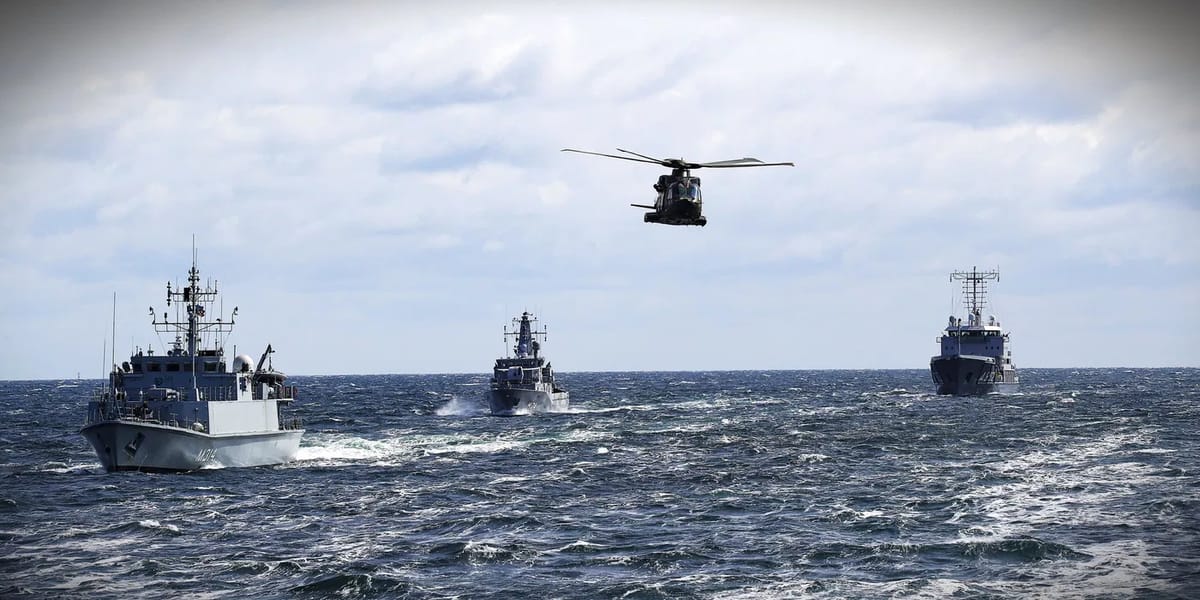
The tension reached a fever pitch on Monday when President Donald Trump used his social media platform to issue a final, uncompromising warning to the Iranian leadership. As the maritime siege began, the President declared that any vessel attempting to challenge the blockade or approach the Strait of Hormuz "will be attacked and destroyed." This move effectively places the US Navy in a position of total control over Iran’s maritime trade routes, aiming to choke the regime’s remaining economic resources. The President’s rhetoric reflects a significant hardening of the American position, moving past previous calls for negotiation toward a doctrine of total maritime dominance.
In response to the American mobilization, Iran’s newly appointed Defense Minister, Majid Ivan A-Raza, signaled that the Islamic Republic is not prepared to back down. Speaking shortly before the blockade deadline, the minister stated that his country is "prepared for all scenarios" and warned that any American or allied intervention would be met with a response so powerful and firm that it would make the "enemies regret any aggression." While the Pakistani Defense Minister, Khawaja Asif, attempted to lower the temperature by describing the weekend’s talks in Islamabad as "pleasant" and expressing hope for a new initiative, the military reality suggests otherwise. Israeli intelligence continues to monitor the situation closely, as the threat of a direct clash in the Persian Gulf remains higher than it has been at any point since the start of the war.