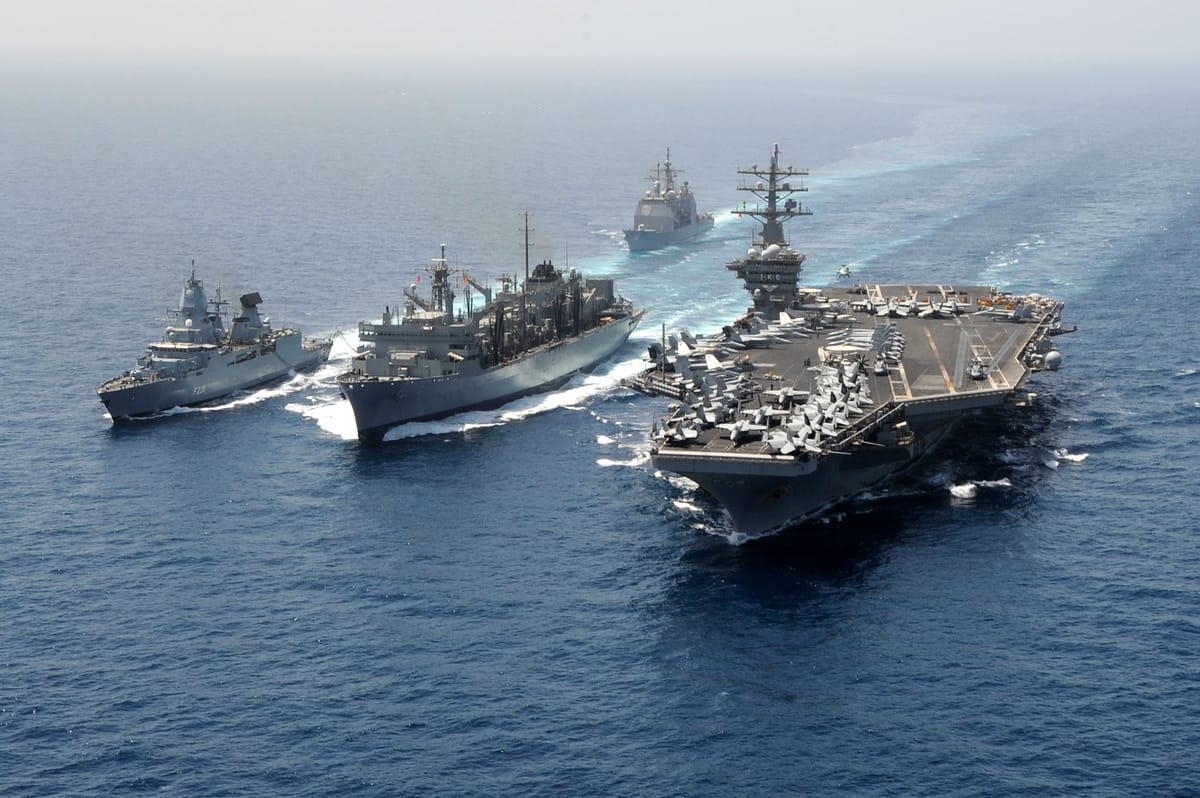
The global energy market has been thrown into turmoil as President Donald Trump’s naval blockade of Iran entered its first full day of enforcement. U.S. Central Command confirmed that over 10,000 sailors, marines, and airmen, supported by more than a dozen warships, are actively preventing any vessels from entering or departing Iranian ports. In the first 24 hours of the operation, six merchant vessels were forced to turn back by American forces. This dramatic move is intended to completely cut off the Iranian regime’s economic lifeline, but it has sparked an immediate international backlash, particularly from China, and caused oil prices to spike back above 100 dollars per barrel.
The Battle for Energy Routes
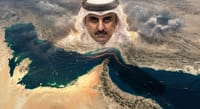
The blockade targets the Strait of Hormuz, a narrow waterway through which 20% of the world's crude oil and natural gas typically flows. While regional powers have attempted to utilize alternative pipelines, the current infrastructure can only handle about half of the volume that usually passes through the strait. The Saudi East-West pipeline, stretching 1,200 kilometers to the Red Sea, is the most significant bypass, but its effectiveness is limited by threats from Houthi terrorists in the Bab el-Mandeb strait. Another alternative, the Habshan-Fujairah pipeline in the UAE, carries nearly 2 million barrels a day but remains a fraction of what is needed to stabilize the global supply.
China, which imports nearly 90% of Iran's oil exports, has been the most vocal critic of the American blockade. Chinese Foreign Ministry spokesperson Guo Jiakun called the move dangerous and irresponsible, warning that it would only worsen tensions and threaten the safety of international navigation. Meanwhile, the Iranian government has reacted with defiance, with Parliament Speaker Mohammad Qalibaf mocking the U.S. and predicting that the West will soon regret the massive increase in fuel costs. As the blockade continues, the world's economy remains on a knife edge, waiting to see if the diplomatic war will turn into a direct maritime engagement between global superpowers.