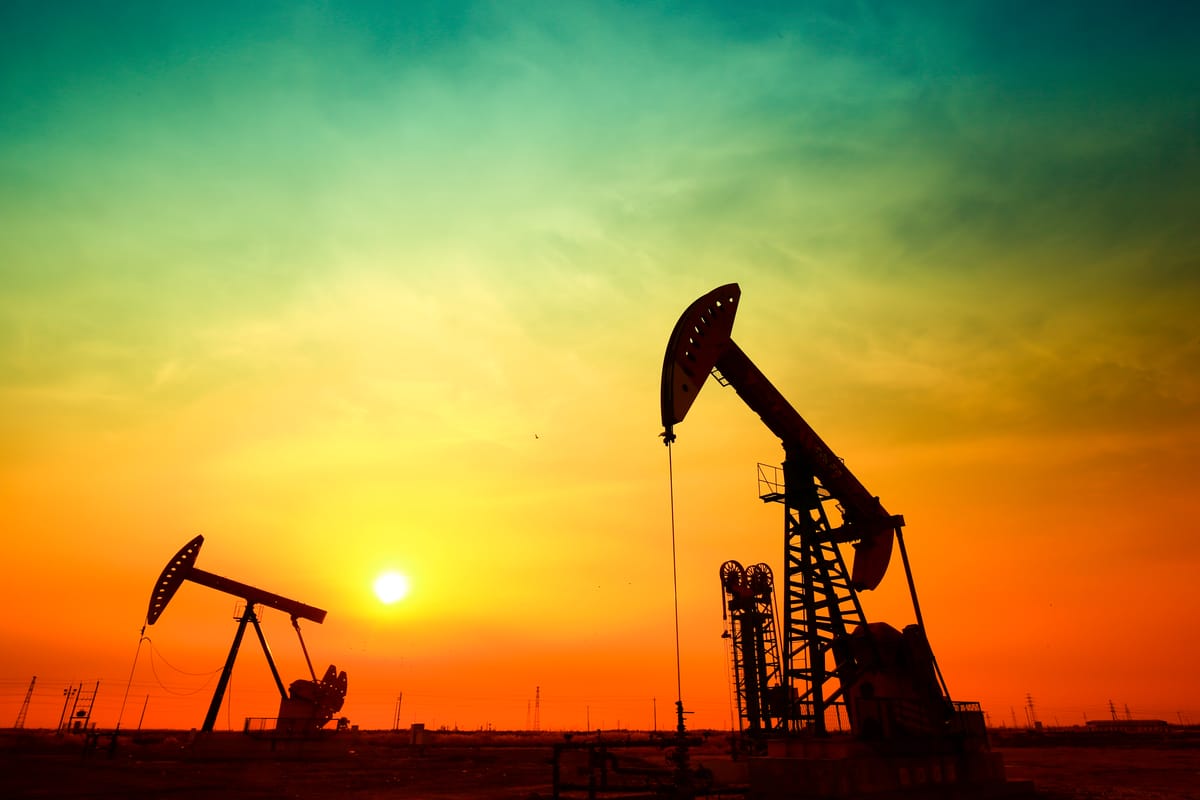
Saudi Aramco reported a 26% rise in first-quarter profits after its east-west pipeline allowed Saudi Arabia to continue exporting millions of barrels of oil despite the effective closure of the Strait of Hormuz.
The Saudi state oil company said profits reached $33.6 billion in the first three months of the year, while revenue rose nearly 7% from a year earlier to $115.5 billion.
The increase came even as Aramco faced attacks on its infrastructure and a halt to exports through its Gulf ports. The company’s east-west pipeline, which runs from Saudi Arabia’s eastern oil fields to the Red Sea port of Yanbu, has allowed exports to continue without passing through the Strait of Hormuz.
Aramco president and CEO Amin Nasser said the pipeline had reached its maximum capacity of 7 million barrels per day and had become a crucial route for keeping supplies moving during the regional crisis.
“Our east-west pipeline, which reached its maximum capacity of 7m barrels of oil per day, has proven itself to be a critical supply artery,” Nasser said, adding that it had helped ease pressure on customers affected by shipping constraints in the strait.
The Strait of Hormuz, through which roughly one-fifth of the world’s oil and gas normally passes, has been effectively closed since the start of the US-Iran war in late February. The disruption has pushed global energy prices sharply higher, with Brent crude trading at around $100 a barrel, roughly 40% above its prewar level.
Nasser warned that even if shipping through the strait resumed immediately, it would take months for oil markets to rebalance. If trade remains disrupted for more than a few weeks, he said, the supply shock could continue and the market might not normalize until 2027.
His comments come as Washington awaits Iran’s response to a proposed interim deal to end the war. Recent fighting in and around the strait, including clashes linked to US efforts to escort commercial vessels, has kept pressure on global energy markets.
Aramco said it would maintain its quarterly dividend at $21.9 billion, after raising the payout by 3.5% late last year. The dividend is a major source of funding for Saudi Arabia, whose government directly owns more than 80% of the company. The kingdom’s sovereign wealth fund, the Public Investment Fund, owns another 16%.
Aramco, based in Dhahran, employs more than 76,000 people globally and remains one of the world’s largest companies and oil producers.