A single Telegram post by a hardline Iranian lawmaker has ignited a rare and unusually public political storm in Tehran, with critics accusing him of using a Quranic metaphor to cast doubt on the legitimacy of Mojtaba Khamenei, Iran's new Supreme Leader, who assumed the role just weeks ago following his father's assassination.
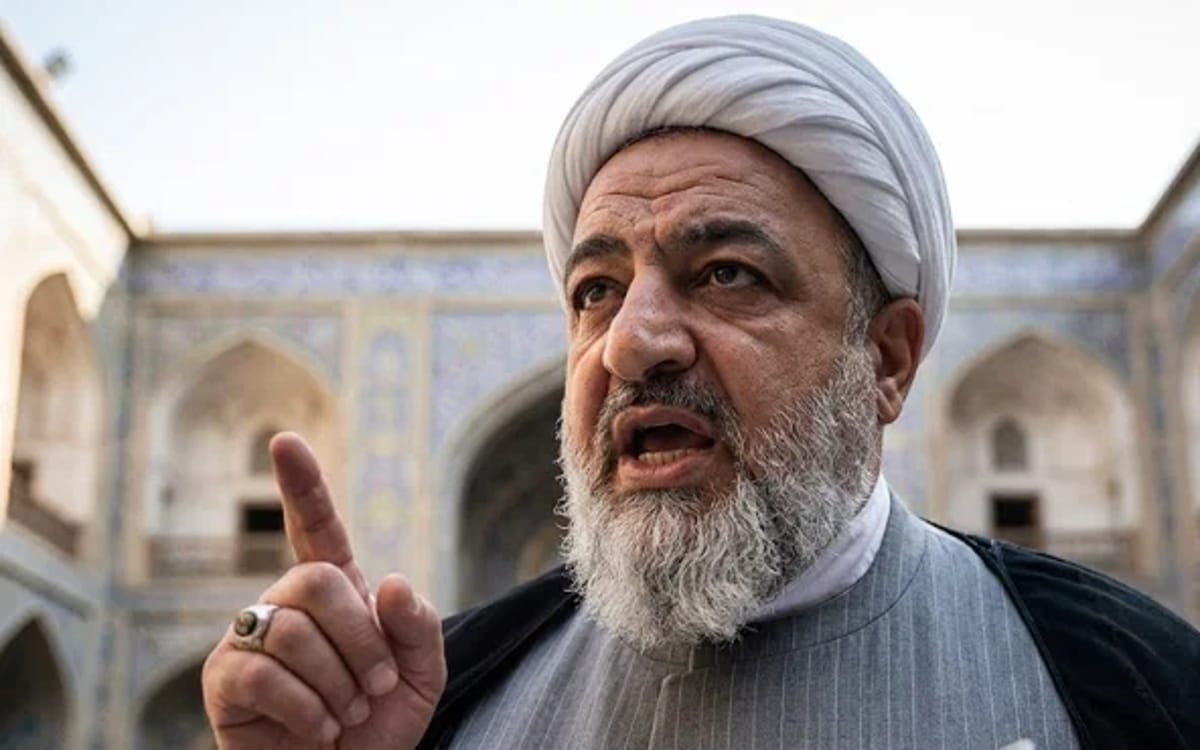
The post was published Thursday by Hamid Rasaei, a veteran hardline member of parliament closely associated with the Paydari, or Steadfastness Front, one of the most uncompromising factions in Iranian politics. Rasaei is a fierce opponent of nuclear negotiations with Washington, and has a well-documented history of clashing with both moderate and establishment conservative figures alike.
Rasaei titled the post "Who is Qualified for Leadership?" and included a verse from Surah Hud, the eleventh chapter of the Quran, in which God responds to the Prophet Noah's plea to save his drowning son. The verse makes clear that the son, despite being Noah's child, is not considered part of his righteous family because of his disbelief and corrupt conduct. God tells Noah not to ask about matters beyond his knowledge.
In Iranian political and cultural usage, the phrase "son of Noah" has long served as a byword for a wayward child who strays from the path of his righteous parent, despite being raised in a devout household. Given the timing, the framing, and the title of the post, a wide swath of Iranian media, political figures, and social media users concluded that Rasaei was implying that Mojtaba Khamenei is unworthy of succeeding his father, the late Supreme Leader Ali Khamenei, who was killed on February 28 during the US-Israeli strikes on Iran.
"What is the relevance of bringing up the issue of leadership under the current circumstances, when the late martyr-leader's righteous son has succeeded him, and especially at a time when enemies are manufacturing rumors about this every single day, and then referencing the verse about Noah's son?"
— Asr-e Iran news site, responding to Rasaei's post, per Iran International
The backlash was swift. The news site Asr-e Iran published a sharp rebuke questioning why Rasaei had chosen this particular moment to raise questions of leadership fitness, given that Mojtaba Khamenei had already taken office.
Additional political commentators and media outlets suggested the post was a coordinated signal from the Paydari camp and allies of former presidential candidate Saeed Jalili, who are seen as attempting to chip away at the new Supreme Leader's legitimacy from within the hardline camp itself.
The controversy deepened because of its timing. Mojtaba Khamenei had, on the same day, sent a letter of appreciation to parliament speaker Mohammad-Bagher Ghalibaf, calling on political figures to avoid factional infighting and preserve national unity. The juxtaposition of that appeal for cohesion with Rasaei's pointed post was not lost on observers. Rasaei has long been one of Ghalibaf's most vocal critics inside parliament, and published a separate post on Saturday warning Ghalibaf against repeating what he called the mistakes of former president Hassan Rouhani and foreign minister Mohammad-Javad Zarif, specifically their reliance on nuclear diplomacy and engagement with the West.
Rasaei pushed back against the interpretation, telling reporters the post was an old text he had reshared and that it had been published hours before Khamenei's letter to Ghalibaf, making any deliberate connection impossible. He also noted that he had been among the first public figures to express support for Mojtaba Khamenei in the immediate aftermath of his father's death. The denial did little to quiet the debate.
Political analysts cited by Iran International noted that had the same post come from a reformist or moderate figure, rather than from within the hardline camp itself, the response from government-aligned circles would have been far more ferocious. The relative restraint of the reaction, they argued, reflects the fragility of the new leadership's political footing and the difficulty of openly confronting figures like Rasaei who nominally share the regime's revolutionary worldview.