The British government has announced a significant shift in its foreign policy stance, officially lifting its comprehensive travel advisory against visiting Israel. The Foreign, Commonwealth and Development Office executed the policy update following a detailed reassessment of regional security dynamics. The decision marks a notable stabilization in international perceptions of the area's safety, though specific geographic restrictions remain tightly enforced.
Under the newly published guidelines, the state department no longer advises its citizens against executing standard travel to the country. However, the government has maintained its absolute prohibition against visiting the immediate northern border zone, where active hostile operations continue to present a severe risk to civilian life. Certain areas within Judea and Samaria, alongside the entirety of the Gaza strip, also remain under strict do not travel mandates.
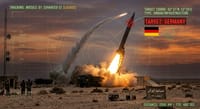
The original sweeping travel ban was instituted by British authorities during the final days of February, following the eruption of an intense, direct war with Iran. During that volatile period, the Iranian regime launched hundreds of advanced ballistic missiles against major population centers and state infrastructure. The unprecedented bombardment had forced global aviation networks and foreign ministries to completely sever transit links to protect international travelers.
In explaining the adjustment, the government webpage noted that Iranian strikes against civilian infrastructure across the region, including ports, hotels, roads, bridges, energy facilities, oil production sites, water systems, and airports, have decreased. Despite this measurable decline in kinetic activity, British intelligence analysts warned that the risk of renewed strikes remains real, and further attacks could occur at very short notice.
The decision to maintain strict exclusion zones along the northern frontier is directly tied to the behavior of the Hezbollah terror organization. The group has refused to alter its aggressive posture, continuing to launch cross-border attacks and projectile barrages into northern towns. Consequently, international transport officials are advising against all but essential transit in the immediate vicinity of those active combat areas.
The relaxation of the travel advisory is expected to provide a gradual economic boost to the domestic hospitality and tourism sectors, which have suffered immense financial losses since the war began in February. International airlines are currently reviewing the updated security frameworks to determine when to resume regular commercial flight schedules to the main international airport. However, defense officials emphasize that travelers must remain prepared for sudden schedule changes if regional hostilities flare up again.