As Russian citizens cast ballots in parliamentary elections spanning three days, the war in Eastern Europe continues to claim lives and generate unprecedented tensions across the continent. Ukraine launched a massive overnight assault on the Russian capital, while Russia continued shelling the Kyiv region. Simultaneously, NATO leaders are raising alert levels and calling on their citizens to prepare for the possibility of the conflict spreading beyond Ukraine's borders.
War in Europe
Ukraine Strikes Moscow with Hundreds of Drones
Hundreds of Ukrainian drones target Russian capital as Moscow continues bombardment of Kyiv; casualties reported on both sides while NATO leaders warn members to prepare for potential escalation
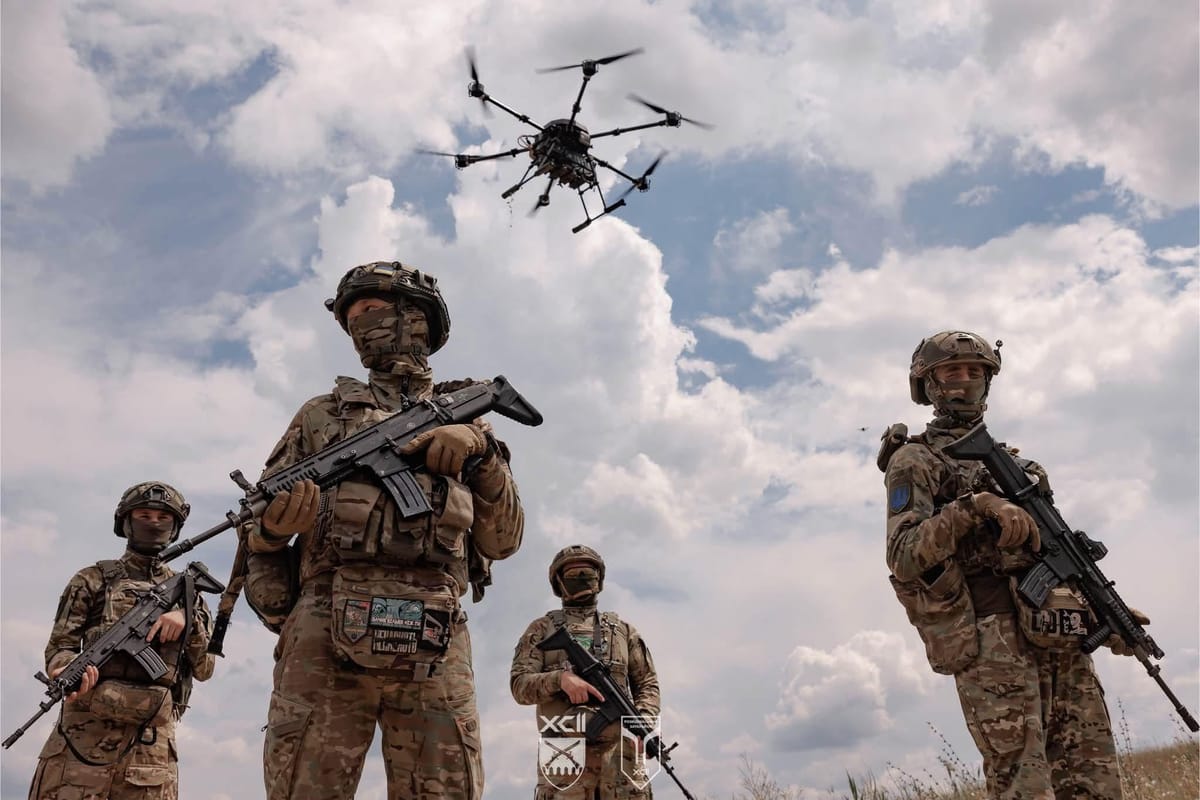
According to official Russian reports, the Ukrainian military dispatched a swarm of unmanned aerial vehicles toward the Moscow region overnight. The Russian Defense Ministry claimed air defense systems intercepted no fewer than 249 drones. Despite the interceptions, damage occurred at several sites, including an oil refinery that sustained a direct hit and sparked fires.
Russian aviation networks experienced significant disruption. Sheremetyevo International Airport imposed restrictions on air traffic, while other airports in the region completely halted all takeoffs and landings.
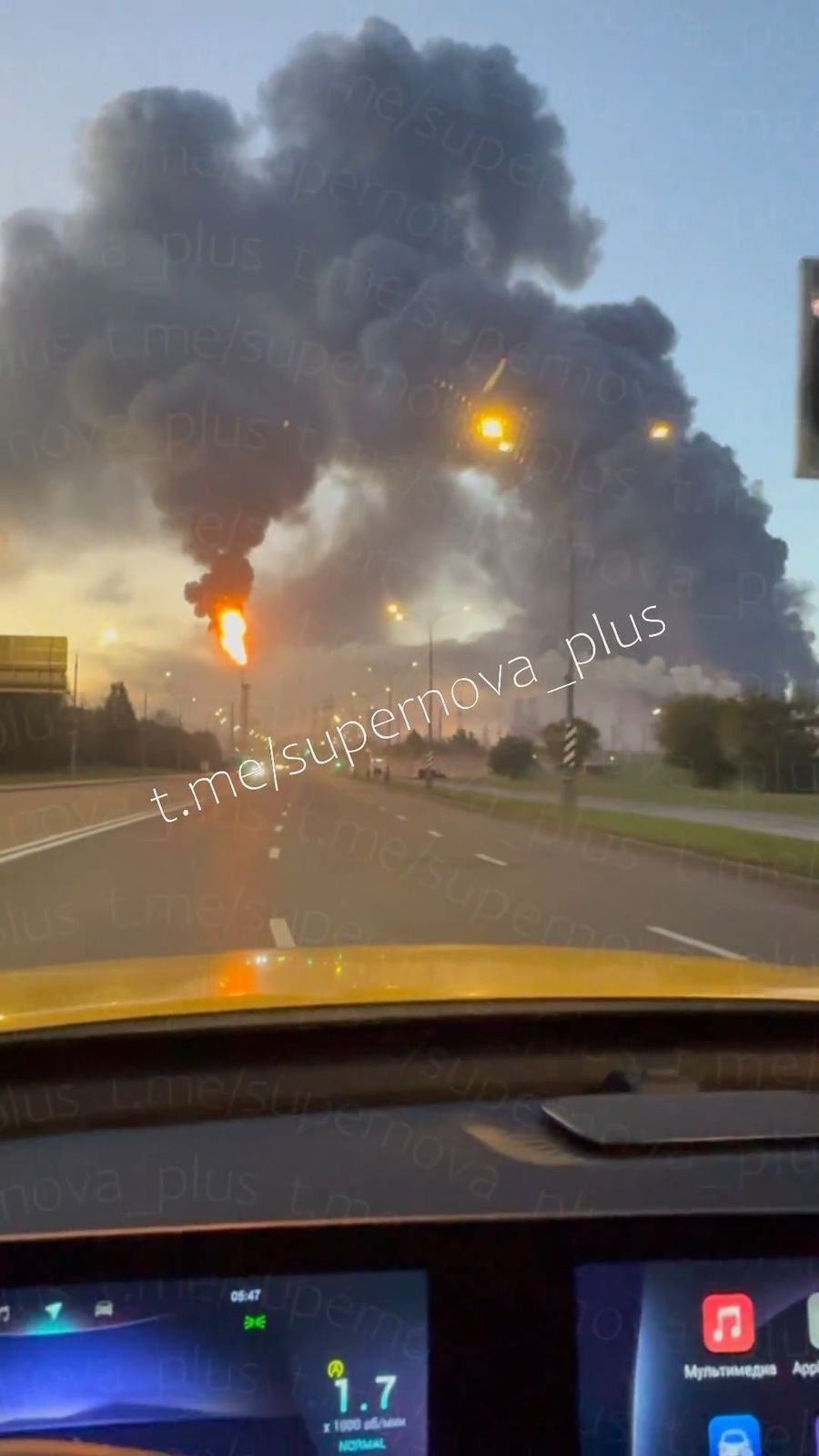
The attack on the Moscow area also claimed human lives. A drone that struck a three-story residential building directly caused the deaths of at least two people and injured five others, including two children. Social media circulated footage showing massive plumes of smoke rising from impact zones.
Deadly Counter-Strikes in Ukraine
At the same time as the Ukrainian offensive, Russian forces continued striking deep into Ukrainian territory. Official sources in Kyiv reported that seven people were killed overnight as a result of Russian attacks in the capital region. Among the dead were two children.
According to the regional governor, a particularly severe incident occurred in the city of Fastiv, where a mother and daughter were killed in a targeted strike, alongside heavy damage to several private homes.
The battlefield escalation is directly impacting NATO member states, which are beginning to prepare for scenarios involving the war's expansion beyond Ukraine's borders. Senior officials across the continent have issued grave warnings in recent days about the possibility that Moscow might choose to attack countries supporting Ukraine, using drones or missiles.
Polish Prime Minister Donald Tusk assessed that such an attack could occur in the near term. French President Emmanuel Macron backed his statement, calling the warning "well-founded," and even unveiled a new government plan designed to protect critical infrastructure in France in the event of an attack. Dutch Prime Minister Mark Rutte also joined the calls, emphasizing that the warnings must be taken seriously and that resolve must be shown in the face of Moscow.
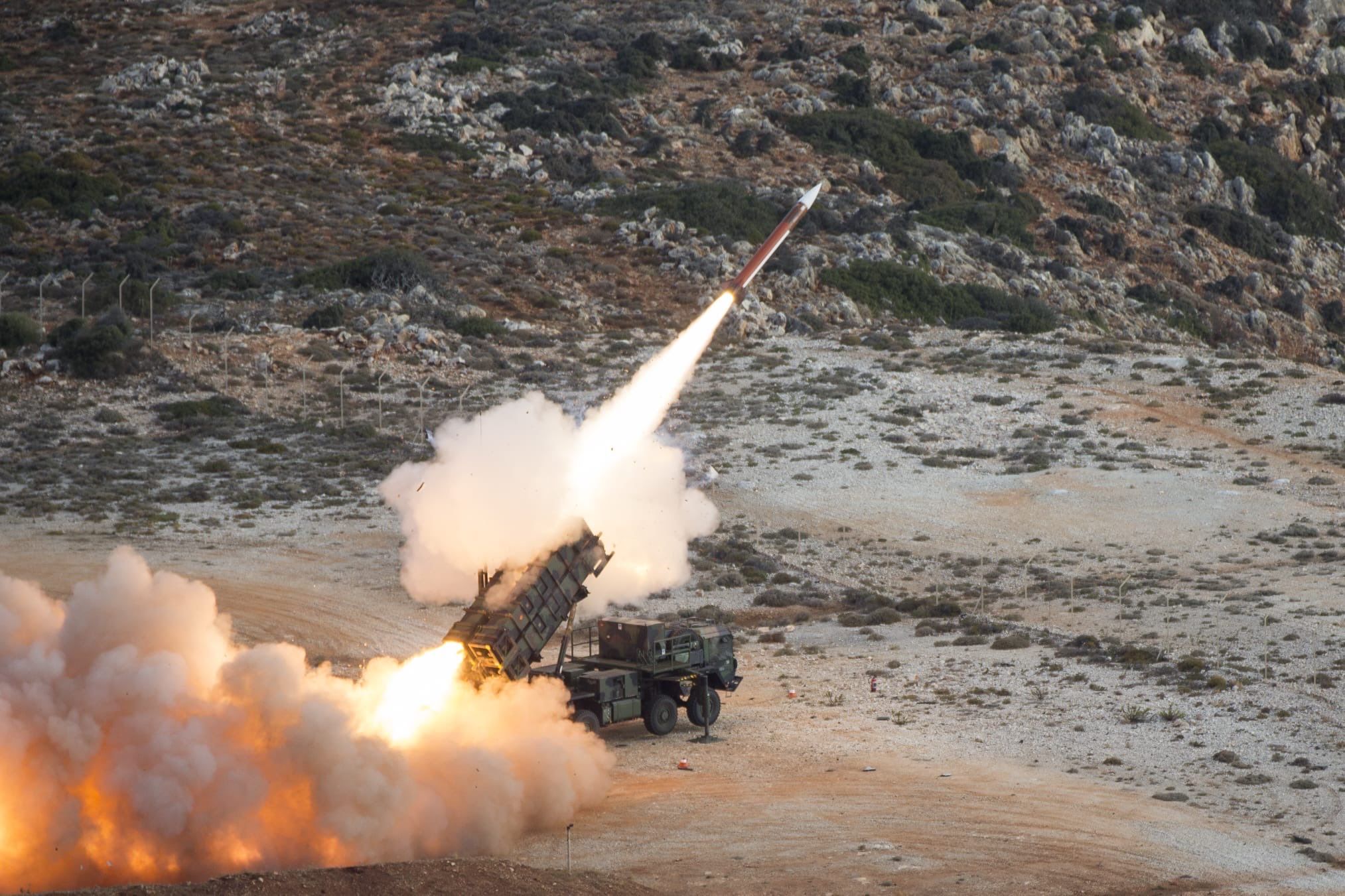
Practical steps are already being taken on the ground across Europe in preparation for worst-case scenarios. Germany has begun concrete measures to prepare the country's hospital system for the possibility of conflict and mass casualties. Lithuania is refreshing and updating its civilian evacuation plans, particularly in light of extensive military exercises being conducted by Belarusian forces near the shared border.
NATO forces, including troops from Germany and Sweden, are conducting intensified military drills on the island of Gotland in the Baltic Sea. In Finland, which shares a long border with Russia, public alert levels have been raised. President Alexander Stubb addressed citizens and asked them to "mentally prepare for something to happen," hinting at the possibility of Russian drones penetrating the country's territory.
צילום: Photo: Social media