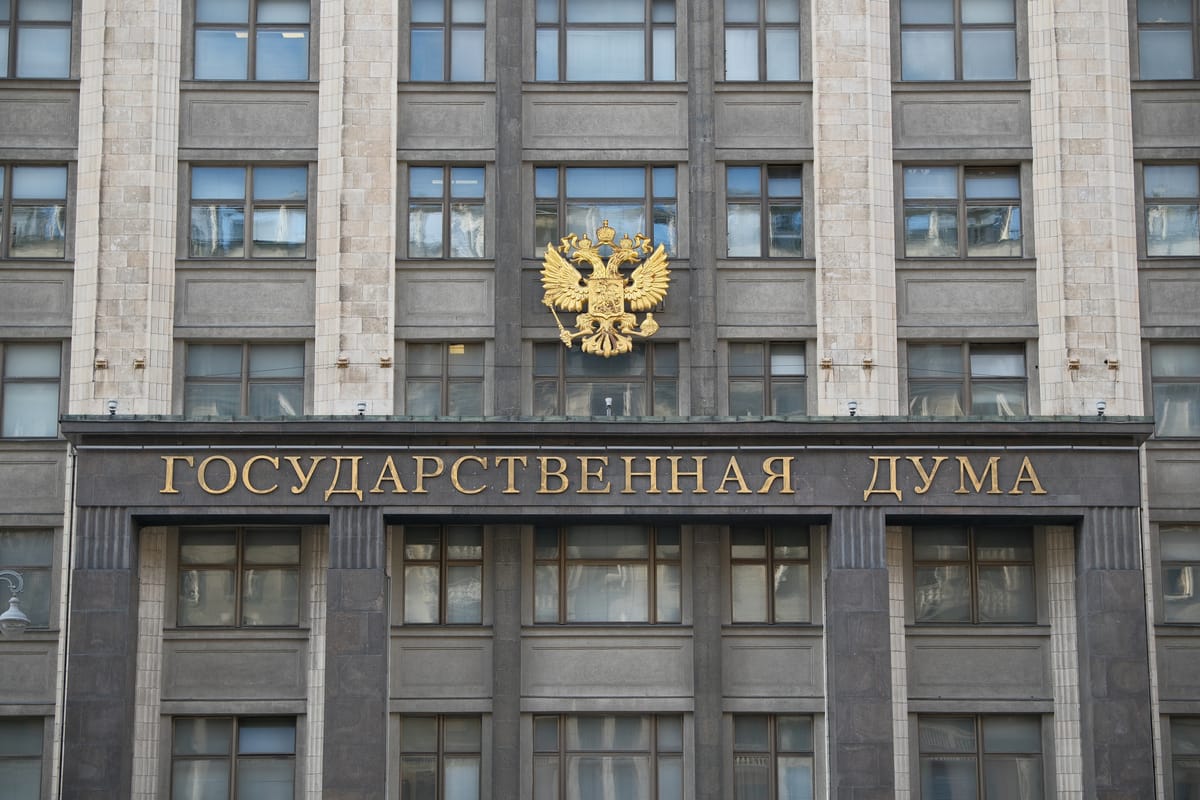
Russia's parliamentary elections concluded Sunday on their third and final day against the backdrop of a massive drone assault on Moscow and surrounding areas. The vote marks the first elections to the State Duma since Russia launched its full-scale invasion of Ukraine in February 2022. President Vladimir Putin has framed the ballot as an opportunity to demonstrate public support for Russian soldiers and government policy.
While the voting was taking place, Russian authorities reported an unprecedented aerial attack. Moscow Mayor Sergei Sobyanin claimed that more than 1,600 drones had been intercepted since Saturday across various fronts, including approximately 450 headed toward Moscow. According to Sobyanin, this represents the largest drone attack ever recorded against the Russian capital. The figures were provided by Russian authorities and have not been independently verified.
Local authorities reported two fatalities in the Moscow region, and the capital's refinery sustained damage. Witnesses told Reuters they heard explosions and saw smoke rising from the facility area. A residential building was also hit. Ukraine has not issued an immediate response regarding the attack.
Sobyanin claimed the assault was intended to disrupt the elections and that the attempt failed. Meanwhile, Russian authorities reported the previous day that cyber attacks had also targeted Moscow's online voting system. The Kremlin accuses Kyiv of attempting to interfere in the electoral process, while Ukraine rejects the legitimacy of the Russian vote.
The United Russia party, associated with Putin, is expected to maintain its dominant position in the Duma. Many candidates who opposed the war were barred from running, and in recent years Russia has intensified enforcement against public criticism of the military and the fighting in Ukraine. In response, the Kremlin argues that wartime conditions require national unity and certain restrictions to counter external threats.
Despite expectations that the balance of power in parliament will not change significantly, researchers in Russia and abroad are monitoring support levels for permitted opposition parties, including the Communist Party and the New People party. In the background are economic pressures and the cumulative impact of more than four years of war on Russian society. Preliminary results are expected to be released during the day, with a fuller picture anticipated Monday.