In a move that has sent shockwaves through global energy markets, the United Arab Emirates (UAE) has officially severed its ties with OPEC. For decades, the UAE has been the second-most influential member of the cartel, but today, that alliance is dead. Analysts are calling this a "fatal blow" to Saudi Arabia’s hegemony over the world’s oil supply, effectively ending the "United Front" of the Gulf monarchy.
Fury in Abu Dhabi
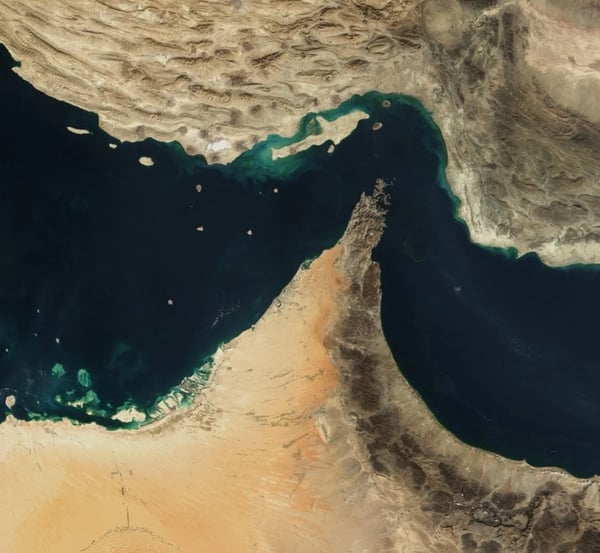
The exit isn't just about oil prices; it’s about survival. Sources in Abu Dhabi reveal that the UAE leadership is "incensed" by the perceived weakness of the Gulf Cooperation Council (GCC) during the ongoing conflict with Iran.
- The Security Failure: Abu Dhabi reportedly feels that Saudi Arabia and other regional partners failed to provide a robust military response to Iranian strikes on critical infrastructure.
- Going It Alone: By leaving OPEC, the UAE is signaling that it will no longer tether its economic or security destiny to a failing regional consensus.
A Massive Win for Trump
The withdrawal is being hailed as a masterstroke for the Trump administration. President Trump has long pushed for "energy independence" and the dismantling of "monopolistic cartels."
- The "Trump-MBZ" Connection: This move aligns the UAE directly with Washington’s "Maximum Pressure" campaign, allowing Abu Dhabi to pump oil at its own discretion to stabilize global markets, directly undermining Iranian and Russian interests.
- The End of an Era: With the UAE out, OPEC’s ability to dictate global gas prices has been crippled, handing the U.S. consumer a massive victory.