
The US State Department has announced the approval of a series of massive foreign military sales totaling billions of dollars. The newly approved packages reflect a significant shift in defensive priorities for American allies across Europe, the Middle East, and the Indo-Pacific, focusing heavily on counter-drone technology, long-range missiles, and maritime warfare.
Countering Middle East Drone Threats
The largest single package was approved for Kuwait, valued at approximately $1.98 billion. The Gulf nation will acquire advanced counter-unmanned aerial systems (C-UAS) equipment, including cutting-edge Roadrunner and Anvil interceptors. The acquisition serves as a direct strategic response to the rising proliferation of hostile drones, which has emerged as a primary security challenge in the Middle East.
Shifting Priorities in Europe and the Indo-Pacific
In Europe, nations are upgrading capabilities for advanced combat scenarios. Denmark is set to purchase $842 million worth of JASSM-ER cruise missiles to boost the long-range strike capabilities of its F-35 fighter jet fleet. Meanwhile, the UK is moving forward with critical defense system upgrades for its military transport aircraft.
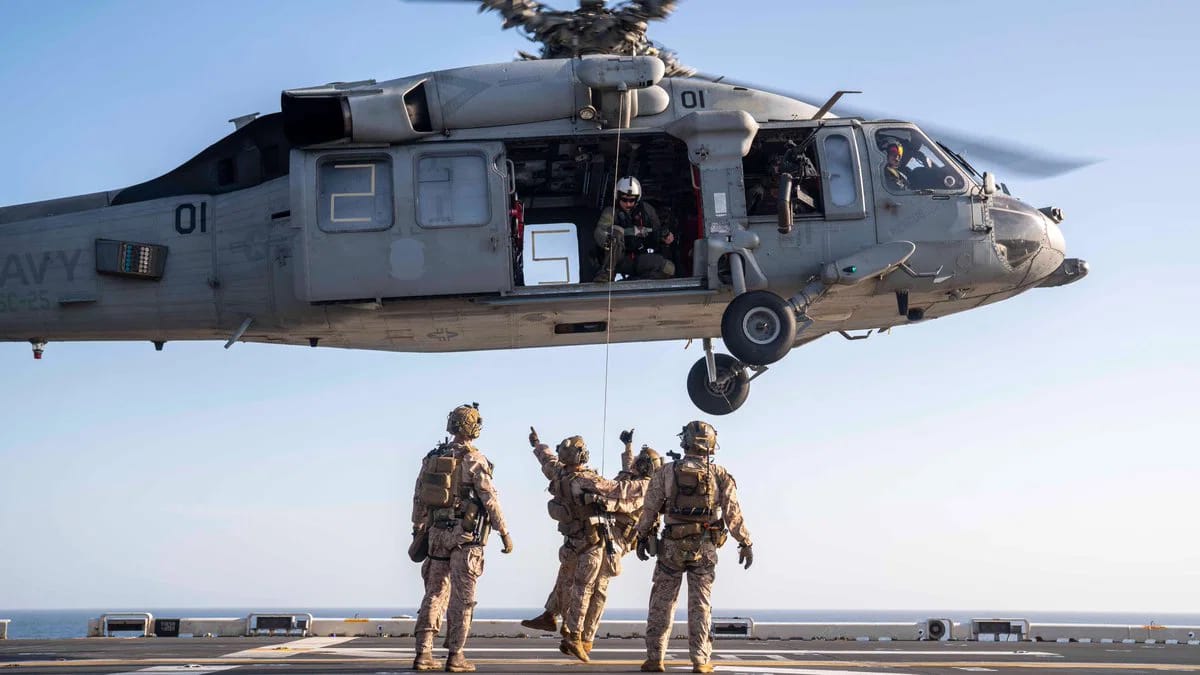
Simultaneously, in the Indo-Pacific, New Zealand will procure MH-60R multi-mission helicopters for $1.5 billion. This acquisition is designed to significantly enhance the country's anti-submarine warfare and maritime patrol capabilities amid shifting regional dynamics.
A New Era of Deterrence
Defense experts note that these combined sales underscore a newly evolving global threat landscape. Modern military deterrence is relying less on traditional heavy platforms and more on an integrated mix of advanced sensors, guided missiles, electronic warfare, and rapid response capabilities.
Washington emphasized that these deals directly support US national security by stabilizing key global allies against emerging threats.