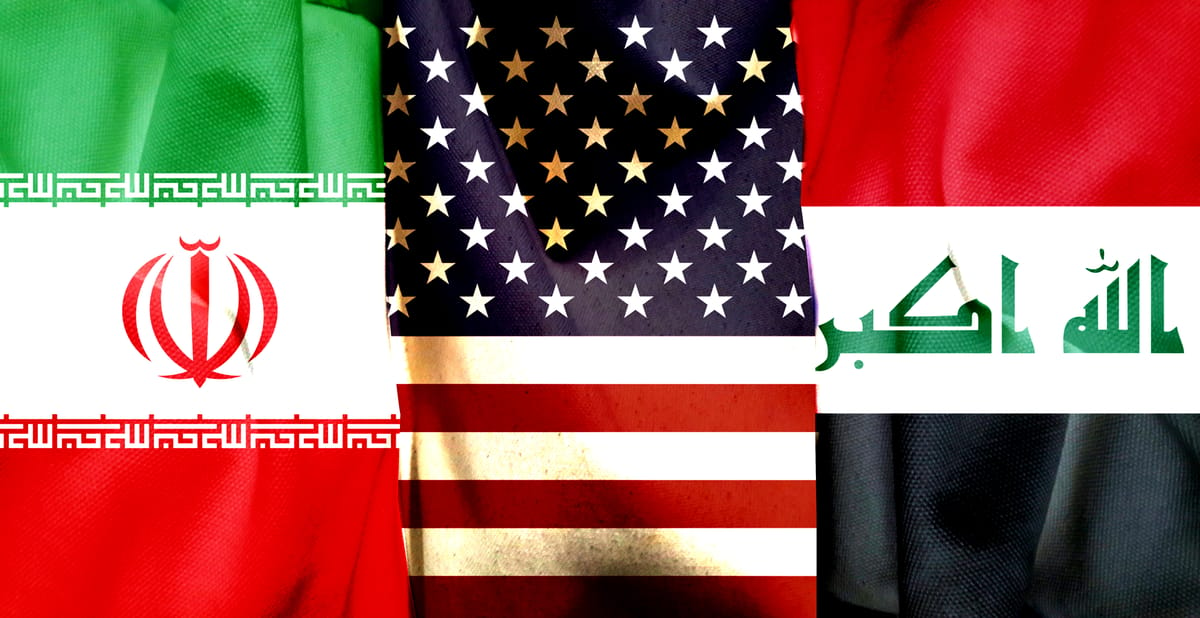
Iraq has become the latest flashpoint in a high-stakes diplomatic confrontation between Washington and Tehran, as both powers fight for dominance over the composition of the next government in Baghdad, according to a recent report by Walla.
According to reports from the Saudi newspaper Asharq Al-Awsat, Iranian leadership has issued a formal "veto" against any political arrangement that excludes Shiite militia representatives from the cabinet. This move comes in direct response to what Iraqi officials describe as "unprecedented" pressure from the United States to establish a government entirely free of Iranian-backed influence.
The Arrival of Esmail Qaani
The tension was underscored on Sunday by the unannounced arrival of Esmail Qaani, commander of the IRGC’s Quds Force, in Baghdad. Sources indicate that Qaani met with key power brokers within the "Coordination Framework," the dominant Shiite political bloc, to ensure they do not succumb to American demands.
Qaani’s message was clear: Iran will not tolerate a "total surrender to Washington" or any government structure that dismantles the current standing of its local allies within the Iraqi state.
Washington’s Hardline Demands
Walla explains that on the other side of the aisle, the U.S.-backed candidate for Prime Minister, Ali al-Zaidi, is facing immense pressure to pivot away from Tehran. Sources close to the negotiations reveal that the U.S. is demanding more than just the exclusion of armed factions; they are pushing for:
- Economic Decoupling: A significant reduction in Iraq’s economic reliance on Iran, particularly regarding oil and energy resources.
- Political Independence: Ensuring that decision-making processes in Baghdad are insulated from Iranian interference.
- Militia Exclusion: Preventing armed factions from holding ministerial posts or returning to power through indirect "proxy" appointments.
A "Spot for Open Confrontation"
American officials are expected to arrive in Baghdad in the coming days to further solidify these demands. However, the aggressive maneuvering has raised alarms among local leaders. One senior official from the Coordination Framework warned that the heavy-handed U.S. involvement is turning the government-building process into a "spot for open confrontation" between the two global rivals.
As negotiations reach a deadlock, the future of Ali al-Zaidi’s premiership hangs in the balance. The outcome will likely determine whether Iraq moves toward a Western-aligned technocracy or remains firmly within Iran’s strategic orbit.