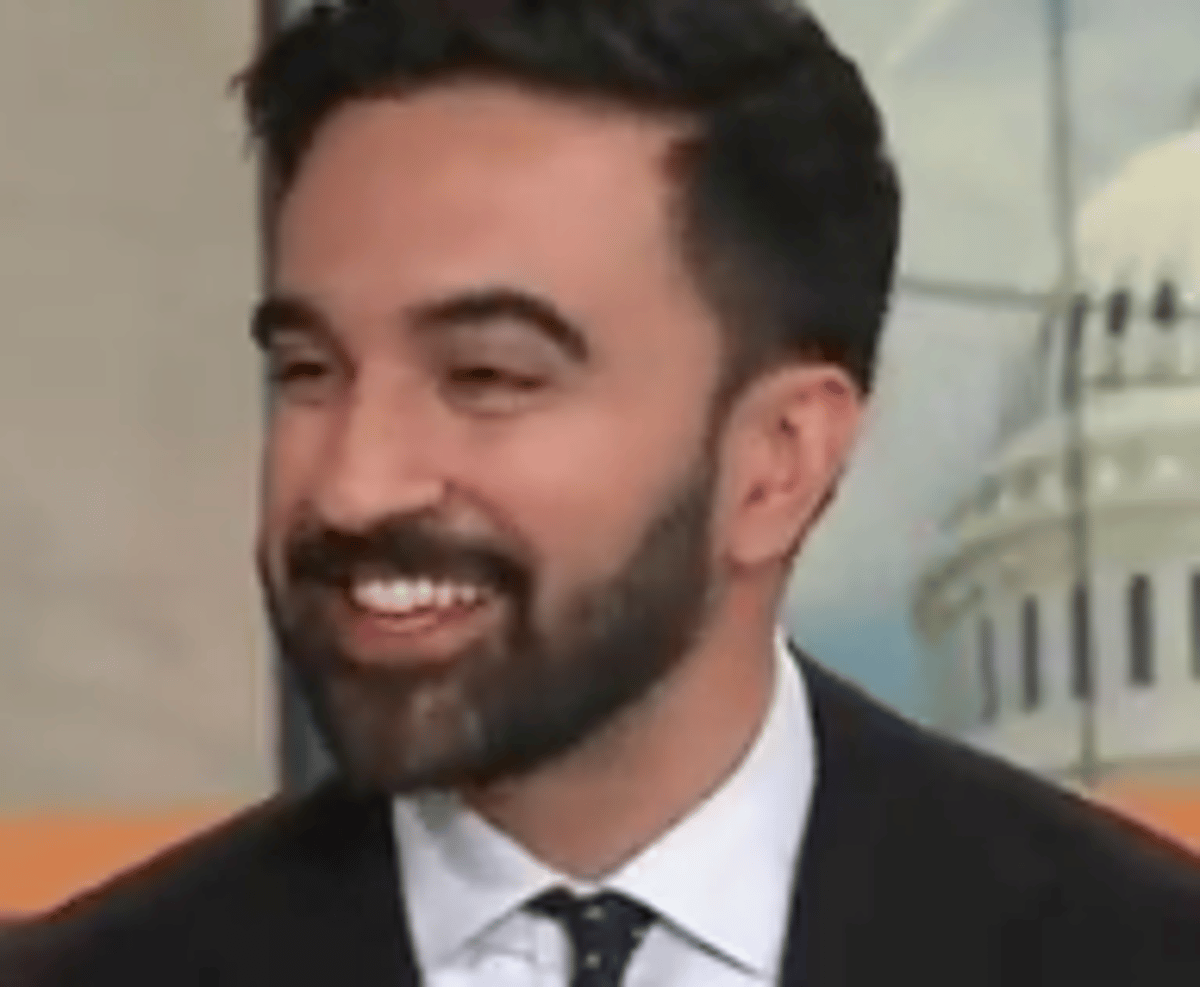
Zohran Mamdani, the Democratic nominee for New York City mayor, has ignited a fierce controversy with a proposal to overhaul the city’s property tax system by shifting the burden onto “more expensive homes in richer and whiter neighborhoods.”
Outlined in his campaign memo “Stop the Squeeze on NYC Homeowners,” the plan aims to ease taxes on lower-income, predominantly Black and Latino communities while increasing rates in wealthier areas like Brooklyn brownstones. Critics, including Mayor Eric Adams and conservative commentators, have branded the proposal racist and legally dubious, while supporters argue it addresses systemic inequities.
The Proposal: Reforming an Unequal System
Mamdani’s plan, detailed on his campaign website, targets New York City’s property tax system, rooted in a 1981 law that taxes homes based on potential rental income rather than market value. This has led to stark disparities: a $2.15 million Williamsburg property pays $157 annually in taxes, while a $234,840 Bronx home pays $3,917, according to Bloomberg. The memo proposes lowering class assessment percentages for all properties to reduce taxes in outer-borough neighborhoods like Jamaica, Brownsville, and Tremont, while raising rates on wealthier areas described as “richer and whiter,” where assessments are artificially capped. Mamdani also highlights “deed theft,” noting the city is six times more likely to sell tax liens in Black neighborhoods, stripping wealth from these communities.
The goal, Mamdani’s campaign states, is to create a fairer system that alleviates pressure on working-class homeowners while ensuring wealthier areas contribute proportionally. The plan aligns with his broader progressive agenda, which includes a 2% tax on incomes over $1 million, an 11.5% corporate tax rate (up from 7.25%), free buses, universal childcare, a $30 minimum wage, and city-run grocery stores.
Mamdani’s Defense
During a June 29, 2025, appearance on NBC’s *Meet the Press*, Mamdani rejected accusations of racial targeting, insisting the plan is about systemic fairness, not race. He stated that the term “whiter neighborhoods” reflects the demographic reality of wealthier areas, where white residents have historically had greater wealth-building opportunities. Mamdani emphasized addressing the city’s poverty rate—one in four New Yorkers lives below the poverty line—and denied anti-billionaire sentiment, saying he’s willing to work with all to make NYC equitable. His campaign has not detailed how “whiter” neighborhoods would be defined, such as specific racial percentages or geographic criteria.