Seat allocation by party:
- Likud, 27
- Yashar, 21
- B'Yachad, 12
- Joint List, 11
- The Democrats and Ra'am, eight each
- Yisrael Beiteinu, Otzma Yehudit and United Torah Judaism, seven each
- Shas and Religious Zionism, six each
Turnout reached 5,717,397 voters. As part of its verification, the committee examined records from 9,069 polling stations.
The committee voted 15-2 on Wednesday morning, with 14 abstentions, to approve the results. It said that after reviewing complaints from parties, candidate lists and the public, it found "no evidence of irregularities that compromised the integrity of the election or affected its results." Likud lawmaker Amit Halevy quit the committee in protest. He argued that suspicions of foreign interference had not been properly examined.
The Shin Bet security agency is examining suspicions that foreign money entered Israel to sway voting in Arab communities. The Jerusalem Post named Qatar and Turkey as examples of the entities under suspicion. Qatar's foreign ministry categorically denied a claim that it had paid to boost Arab turnout. Sohlberg said that even if the suspicions were proven, their effect would be limited. He added that the law allows an election appeal if evidence surfaces later.
"In recent days, we have heard voices trying to cast doubt on the election results and to undermine their legitimacy. This is a real danger," Sohlberg said.
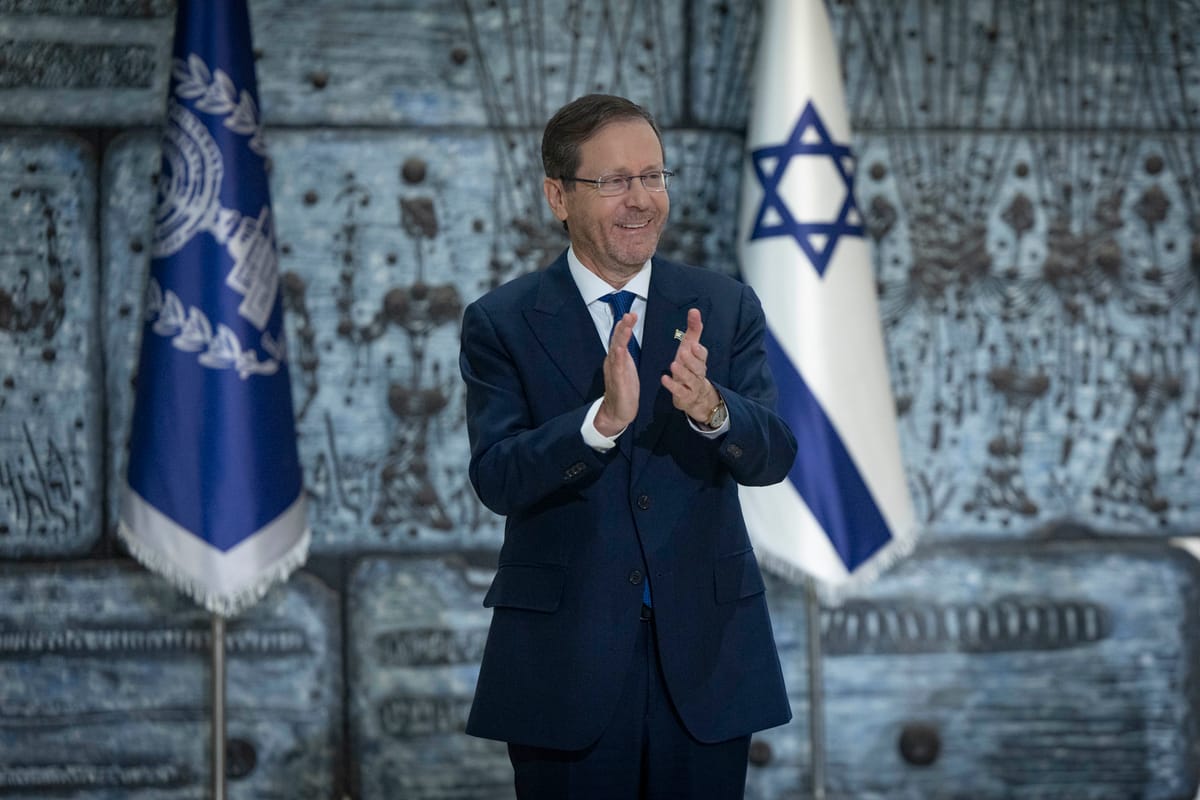
Sohlberg said the suspicions "in no way cast doubt on the voting of Arab society" and added that "a high voter turnout is a welcome thing." Herzog appealed for patience with the probe and said he trusted the special investigative team. Arab citizens make up about one fifth of Israel's population, and Herzog warned that they "must not be smeared." "I condemn the coarseness and racist expressions that we have heard recently. There is no place for them toward any community in Israel," he said.
National Security Minister Itamar Ben-Gvir, who leads the Jewish Power party, urged the Shin Bet to detain every Arab party leader and question them "until these suspicions are fully clarified." Joint List chairman Yousef Jabareen accused Ben-Gvir and Netanyahu of trying to "steal the election from the public." On Tuesday, Eisenkot accused Netanyahu and Likud of "trying to carry out a veritable pogrom against democracy and the rule of law."
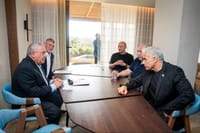
Herzog is receiving the factions in order of size, starting with the smallest. Religious Zionism, Shas and Yisrael Beiteinu were scheduled for Wednesday. Ynet reported that UTJ opens Thursday's sessions at 8:30 a.m. and that Likud closes the round at 8:30 p.m. Ynet's tally of expected recommendations gives Eisenkot 48, from Yashar, B'Yachad, the Democrats and Yisrael Beiteinu. It gives Netanyahu 46, from Likud, Otzma Yehudit, Shas and Religious Zionism. The Joint List, Ra'am and UTJ have not committed. On that count, Eisenkot is likely to receive the first mandate unless the numbers change.
Yisrael Beiteinu leader Avigdor Liberman, B'Yachad leader Naftali Bennett and the Democrats' Yair Golan have each said they will recommend Eisenkot. Eisenkot would reach 67 recommendations only if both Arab parties also backed him. However, all but one of the Jewish parties pledged before the vote not to work with the Arab parties to form a government. A unity government and a minority government remain among the possible outcomes.
The mandate is likely to be handed out sometime from Friday through next Tuesday. Herzog has not ruled out a second round of consultations. The lawmaker he chooses will have 28 days to form a government, with a possible 14-day extension.