Iran's Navy Threatens: 'Ready to Act if Required'
Deputy naval commander warns forces 'awaiting orders' for potential strikes • Trump abruptly cancels Islamabad negotiations citing wasted time | Tensions escalate as diplomacy collapses (World News)

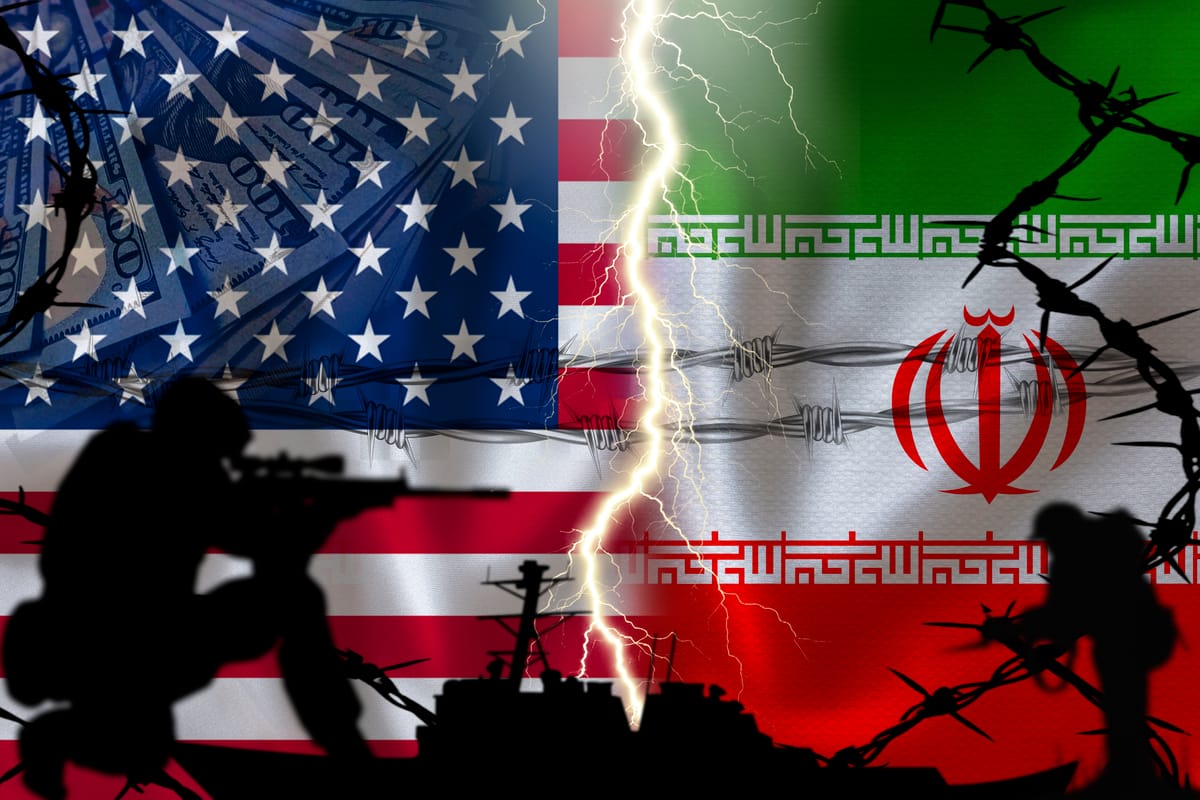
The Islamic Republic's military apparatus issued serious warnings Monday morning as diplomatic channels between Washington and Tehran appeared to collapse entirely, with a senior Iranian naval commander declaring that substantial military forces stand prepared for immediate deployment.
Parmarz Bamani, Deputy Commander of the Iranian Navy, said, "Portions of our armed forces have not yet entered into confrontation, but they are prepared to act if required." The commander emphasized that these units "are ready and currently awaiting orders," signaling Tehran's willingness to escalate hostilities should diplomatic efforts fail to produce results favorable to the regime.
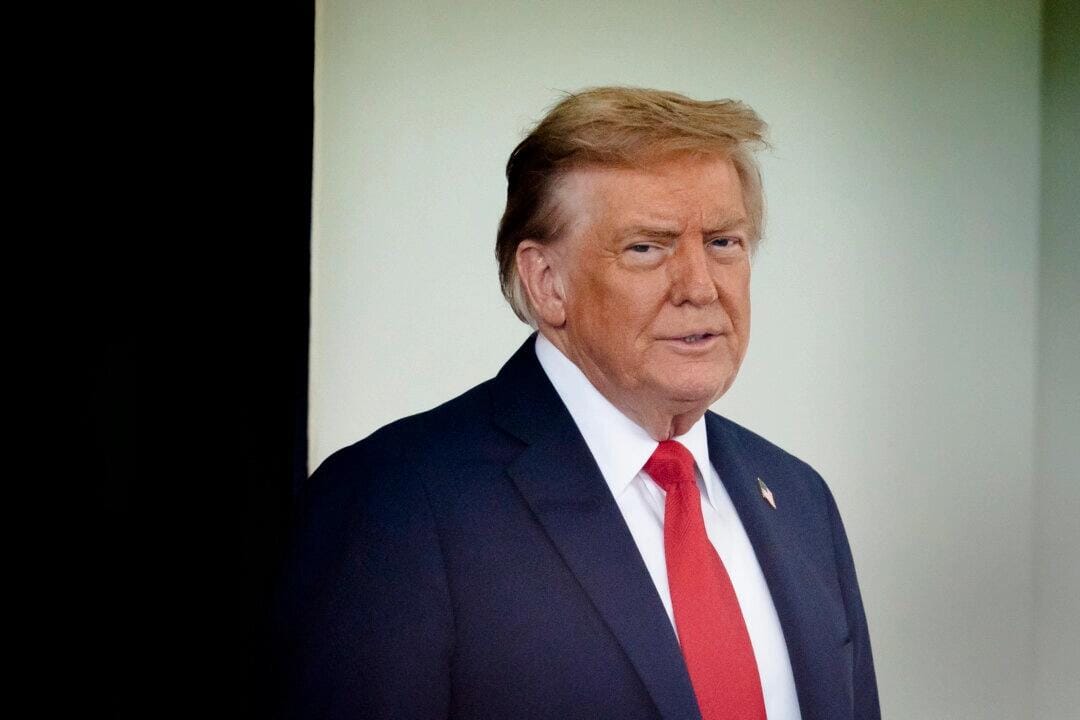
The Iranian military posturing comes against the backdrop of President Donald Trump's dramatic decision to abort a scheduled diplomatic mission to Pakistan. The American delegation, which was preparing to board flights for an 18-hour journey to Islamabad for negotiations with Iranian Foreign Minister Abbas Araghchi, received last-minute instructions from the President to stand down.
"Too much time being wasted, they can call us," Trump declared in explaining his decision to cancel the talks. Speaking to Fox News, the President emphasized his unwillingness to commit substantial resources to what he characterized as fruitless discussions. "I told my people, when they were preparing for the flight, you're not going to fly 18 hours, all the cards are in our hands," Trump stated. "They can call us whenever they want, but you're not flying 18 hours to sit and talk about nothing."

Tehran's Internal Chaos Complicates Negotiations
The President has repeatedly pointed to profound dysfunction within Iran's leadership structure as a primary obstacle to achieving any substantive agreement. Trump described a government paralyzed by internal power struggles, with competing factions unable to establish clear authority or coherent negotiating positions.
"They're fighting like cats and dogs over who will be in control, because we've created a real mess for them," the President explained in recent remarks. "They're not conducting any business, and their economic and financial situation is very bad. They don't even know who's leading the nation." This assessment suggests that even if diplomatic channels were to reopen, Tehran's ability to negotiate effectively remains severely compromised by internal disarray.
The collapse of the Pakistan-mediated talks represents a significant setback for regional diplomatic efforts. Pakistani officials had invested considerable political capital in facilitating the negotiations, positioning Islamabad as a neutral venue where American and Iranian representatives could engage without the symbolic weight of meeting on either nation's territory. Trump acknowledged Pakistan's efforts while making clear that logistical considerations and the lack of productive outcomes outweighed diplomatic courtesies.

Military Pressure Intensifies
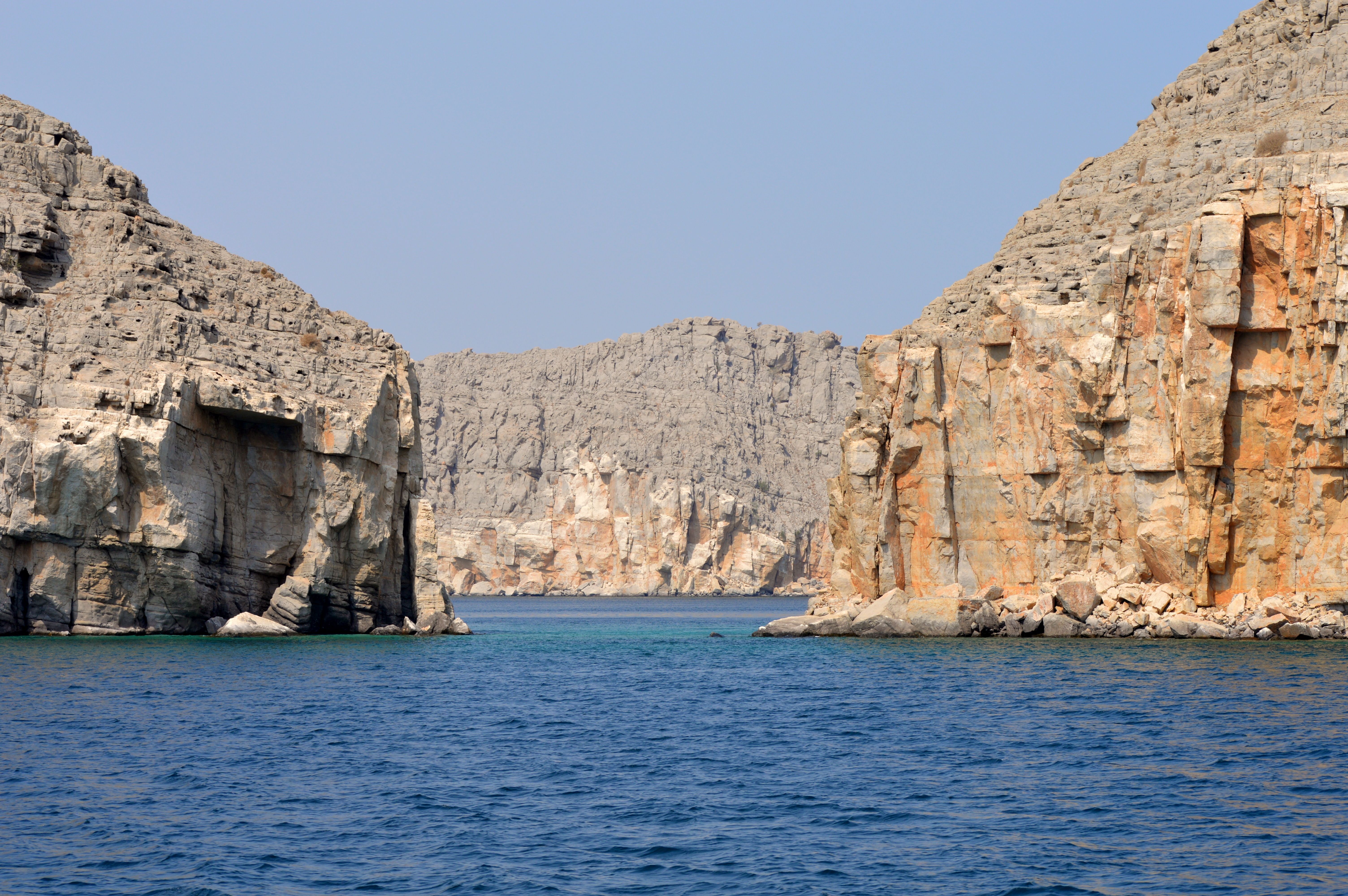
The Iranian naval commander's threats arrive as the United States maintains what officials describe as an effective maritime blockade of Iranian petroleum exports through the Strait of Hormuz. This critical chokepoint, typically one of the world's busiest shipping lanes, has witnessed dramatically reduced commercial traffic as the standoff continues.
President Trump has warned that Iran's oil infrastructure faces catastrophic failure within days due to the pressure buildup created by the export blockade. "The line explodes from within, both mechanically and in the earth, something happens where it just explodes," Trump stated, citing expert assessments that Tehran has approximately 72 hours before irreversible damage occurs to pipeline systems.
Meanwhile, Iranian Foreign Minister Araghchi traveled to Moscow on Monday for consultations with President Vladimir Putin, demonstrating Tehran's pivot toward securing backing from key allies as negotiations with Washington remain stalled. The Moscow visit follows the failed shuttle diplomacy efforts in Pakistan and Oman, suggesting Iran is exploring alternative diplomatic and strategic partnerships to counter American pressure.

The President has maintained that any eventual agreement must address core American concerns, including Iran's nuclear weapons ambitions, comprehensive sanctions relief parameters, and control of strategic maritime passages. Tehran, for its part, has rejected negotiating under what it characterizes as coercive pressure, with President Masoud Pezeshkian calling for the removal of American measures, including the maritime blockade, as a precondition for substantive talks.
The combination of Iranian military threats, American economic pressure, and the complete breakdown of mediated negotiations suggests the region may be approaching a critical juncture where miscalculation or escalation could trigger broader conflict.