Religious Zionism Debate

Rabbi Avraham Stav Responds to Father's Controversial Article: 'I Was Pained When I Saw It'

Rabbi Avraham Stav addresses controversy over his father Rabbi David Stav's call for empathy in Religious Zionism • Defends article's intent while acknowledging communication failure (Jewish World)

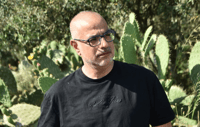
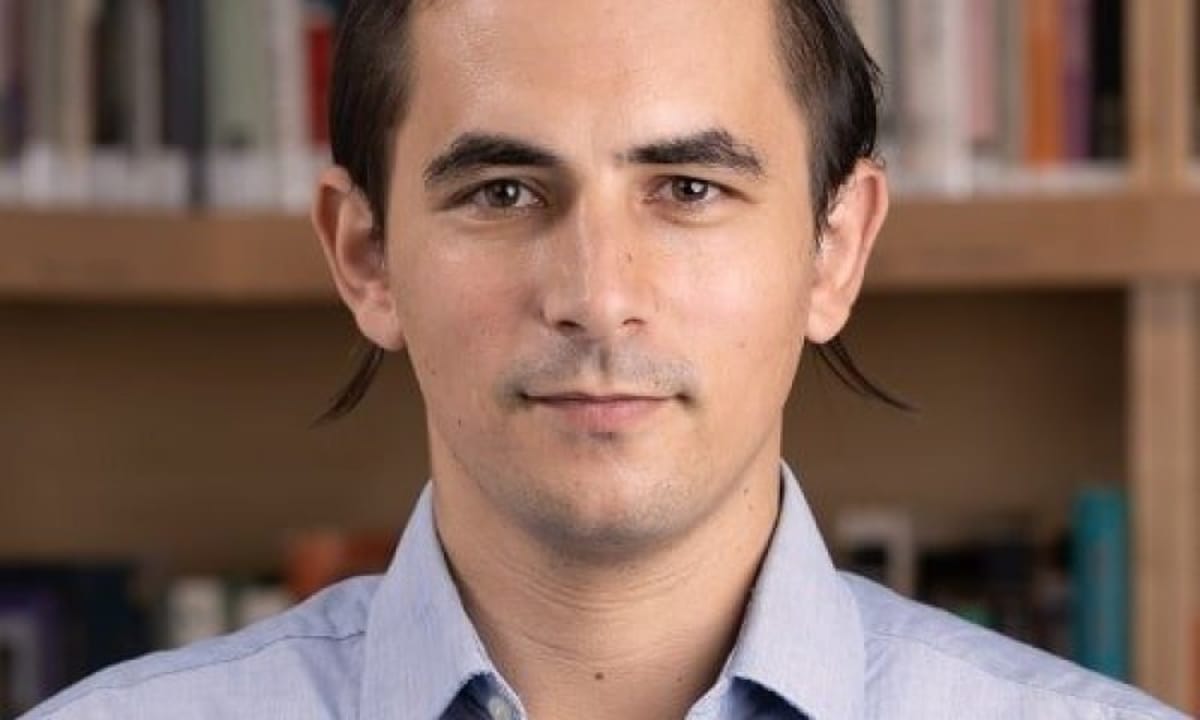
Rabbi Avraham Stav
Rabbi Avraham Stav

A fierce debate has erupted within Religious Zionism following an article by Rabbi David Stav and Rabbi Yuval Sherlo in Makor Rishon, with Rabbi Avraham Stav now offering a detailed response to the controversy surrounding his father's words.

The original article, published approximately one month ago, sparked immediate backlash when the two prominent rabbis suggested that Religious Zionism's identification with certain political positions has generated opposition. Journalist Kalman Liebskind penned a sharp editorial critique, interpreting their message as a call to "hide one's worldview" in order to gain acceptance.

In a lengthy social media post, Rabbi Avraham Stav opened with a candid admission about his initial reaction. "When I saw the article by my father and teacher, and Rabbi Sherlo, in Makor Rishon about a month ago, I was pained," he stated. "I knew the message wouldn't succeed in getting through." The younger Rabbi Stav noted that he had anticipated the resistance that would emerge from within the Religious Zionist community.
Empathy Without Capitulation

At the heart of the dispute lies a fundamental question: Does listening to opposing viewpoints constitute ideological surrender? The original article emphasized that the call was not for Religious Zionists to abandon or conceal their positions. "There is no discussion here of a need to give up or hide opinions," the rabbis clarified. "What is required here is listening. A willingness is needed for dialogue that understands the pain of the other side."

Liebskind challenged this approach, questioning what practical steps Religious Zionists should have taken differently. "What were they supposed to do? Join the arson on Ayalon?" he asked rhetorically, suggesting the article implied an unrealistic standard of behavior.

Rabbi Avraham Stav pushed back against this interpretation, explaining that the rabbis' intent was to advocate for empathy without ideological compromise. "This is also, incidentally, the motto of Tzohar even in halakhic matters," he noted. "The same halakha – just with a pleasant demeanor."

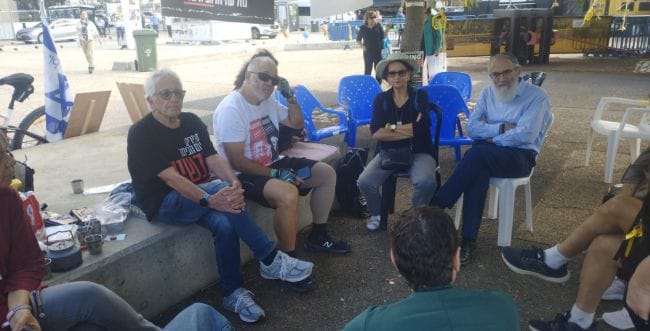
Rabbi David Stav visits captives' families in Tel Aviv encampment.
Rabbi David Stav visits captives' families in Tel Aviv encampment. (Photo: Tzohar Rabbis Organization)

The Example of Rabbi Medan

To illustrate the practical application of his father's message, Rabbi Avraham Stav pointed to a specific incident involving Rabbi Yaakov Medan, Rosh Yeshiva of Har Etzion. "The meaning could be, for example, to act like Rabbi Medan, who went from his son's sickbed to speak at Hostages Square and say there that in his opinion, continuing the war in Gaza is important," he explained.

Despite facing vocal opposition from the crowd at Hostages Square, a gathering typically associated with calls for a ceasefire and hostage deal, Rabbi Medan maintained his position while demonstrating respect for those who disagreed. According to Rabbi Stav, this exemplifies the balance the original article sought to promote: expressing firm convictions while genuinely listening to opposing perspectives.

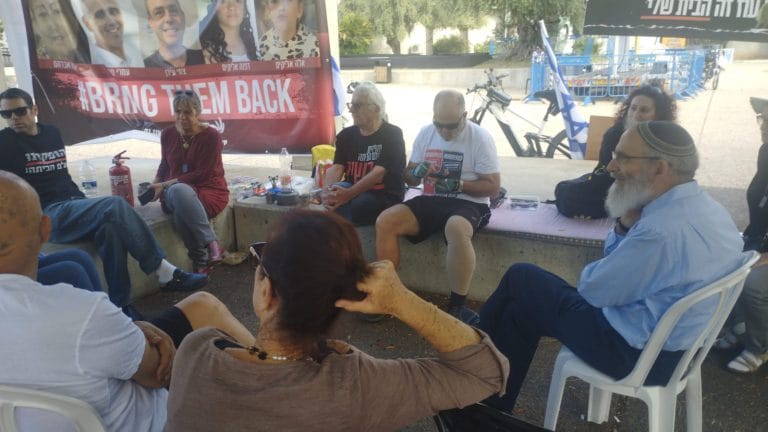
Rabbi David Stav visits captives' families in Tel Aviv encampment.
Rabbi David Stav visits captives' families in Tel Aviv encampment. (Photo: Tzohar Rabbis Organization)

A Lament for Public Discourse

Rabbi Avraham Stav concluded his response with a broader reflection on the state of dialogue in Israeli society. "The ability to listen is itself a value," he emphasized. "To give a real chance to what your opponent wants to say. And it pains me that this message struggles so much to find a home in public discourse today."

The controversy reflects deeper tensions within Religious Zionism as it navigates its role in Israeli society. Rabbi David Stav, who serves as chairman of the Tzohar rabbinic organization and rabbi of Shoham, has consistently advocated for bridge-building between different sectors of Israeli society. His visits to hostage families' encampments and efforts to promote unity have been hallmarks of his public service.

The debate over whether empathy constitutes weakness or strength continues to reverberate through Religious Zionist circles, with Rabbi Avraham Stav's intervention adding a generational perspective to the conversation. His willingness to publicly acknowledge his initial discomfort with his father's article, while ultimately defending its core message, highlights the complexity of navigating ideological conviction and communal responsibility in contemporary Israel.

Ready for more?

Join our newsletter to receive updates on new articles and exclusive content.

We respect your privacy and will never share your information.