
Three weeks into the direct military confrontation between the U.S.-Israeli alliance and the Islamic Republic of Iran, the "silver bullet" promised by intelligence officials has turned out to be a blank.
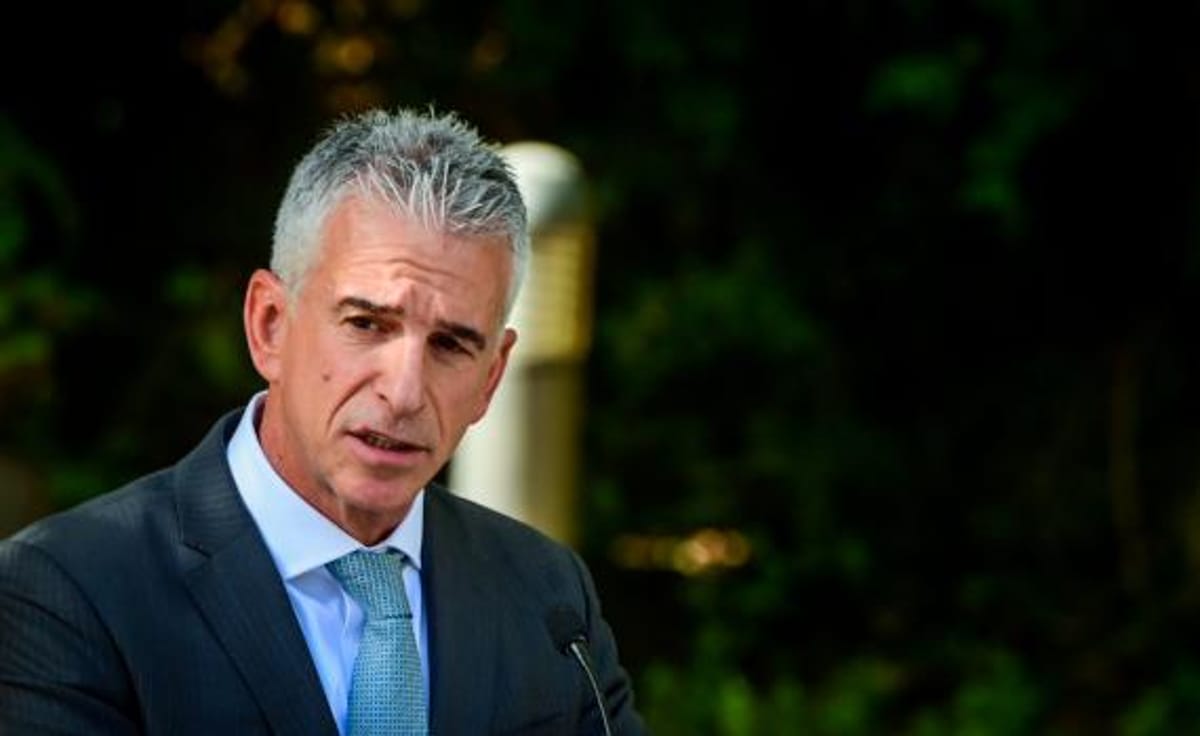
According to a detailed investigation published Sunday by the New York Times, the current war was predicated on a dramatic intelligence assessment provided by Mossad Director David Barnea. The promise made to Prime Minister Benjamin Netanyahu and the Trump administration was simple: a massive military strike would act as the catalyst for a "bottom-up" revolution, toppling the Ayatollah regime and ending the war in a matter of days.
But as of late March 2026, the streets of Tehran remain silent, and the regime, far from collapsing, has dug in for a brutal, escalatory war of attrition.
The "Barnea Doctrine" Under Fire
The Times report reveals that Barnea pivoted away from the cautious approach of his predecessor, Yossi Cohen, who viewed attempts to spark an Iranian revolution as a "waste of time." Instead, Barnea reportedly funneled massive resources into the theory that the Iranian public was a "coiled spring" ready to snap.
However, three weeks into the campaign, the "Great Uprising" has been replaced by a "Great Escalation." The Iranian regime has responded with a barrage of strikes against Israeli cities, U.S. bases, and global energy infrastructure in the Persian Gulf.
"People Don't Protest Under Bombs"
The report highlights a deep rift within the intelligence community. While the Mossad pushed the coup narrative, analysts at the CIA and the IDF’s Intelligence Directorate (Aman) were reportedly shouting warnings.
American generals reportedly told President Trump directly: "People don't go out to protest while bombs are falling from the sky."
Nate Swanson, a former senior member of the Trump administration's negotiating team, echoed this sentiment, noting that Iranian civilians are more likely to stay home to avoid being "mowed down by machine guns" or killed in the crossfire than they are to risk their lives for a regime change orchestrated by foreign powers.
The Failed Kurdish Gambit
The report also sheds light on a secondary plan that was unceremoniously scrapped: a ground invasion by Iranian-Kurdish militias from Northern Iraq.
While the IDF spent the opening days of the war pounding western Iran to clear a path for these forces, the plan hit two major walls:
- Trump’s Hesitation: The President reportedly pulled back due to concerns over Kurdish casualties.
- Turkish Opposition: Ankara issued a "stern warning" to Washington, fearing that any Kurdish success would fuel separatist movements within its own borders.
Netanyahu’s Growing Frustration
Inside the Prime Minister’s Office in Jerusalem, the mood is reportedly one of mounting tension. Netanyahu, who staked his reputation, and perhaps his political survival on this "Total Victory" strategy, is said to be frustrated that the Mossad’s promises haven't been kept.
His greatest fear, according to the Times, is the volatility of his partner in the White House. With the "quick revolt" off the table, Netanyahu reportedly worries that President Trump may lose patience with a protracted, expensive conflict and seek an exit strategy that leaves Israel exposed.