Midterm Election Strategy

White House Braces for Midterm Disaster - Here's What to Know

Internal polling shows growing Democratic momentum • Legal and political teams drafting backup strategies • Loss could severely limit President's domestic agenda (World News)

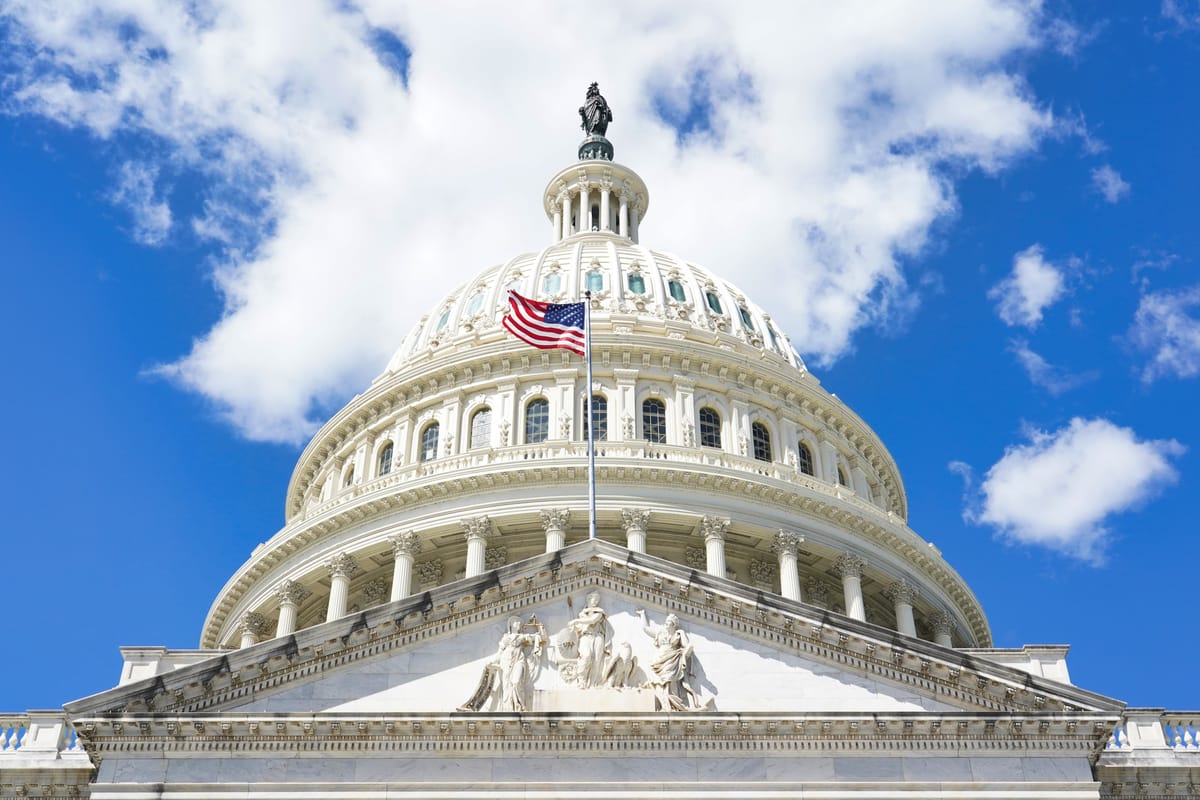
US Capitol
US Capitol (Photo: Adam McCullough/ Shutterstock)

Even as global crises demand attention, the machinery of American politics grinds forward. President Trump's inner circle at the White House has begun intensive preparations for a scenario that could fundamentally reshape his remaining term: a Democratic victory in the upcoming midterm elections that would strip Republicans of their House majority.

According to a detailed report in The Washington Post, the President's political advisors and legal teams have initiated deep strategic discussions and are drafting contingency plans for the day after the midterms. What concerns them most is what internal polling suggests—a growing likelihood that the Republican Party will suffer defeat in the House of Representatives.

A shift in House control would represent far more than a symbolic setback. It could severely constrain Trump's ability to advance his domestic policy agenda in ways he has managed until now. The administration's aggressive deployment of Immigration and Customs Enforcement across multiple states, its approach to budget allocations, and its capacity to navigate potential government shutdowns resulting from budget impasses would all face new obstacles under a Democratic-controlled House.

The timing of these preparations comes as the administration pursues ambitious policy initiatives. Senate Republicans recently advanced a sweeping immigration funding plan through budget reconciliation, bypassing Democratic support to allocate over $70 billion to border enforcement agencies. Such maneuvers would become far more complicated with a hostile House.

Foreign Policy Remains Insulated

There is, however, a critical distinction in how congressional power affects different policy domains. While the House of Representatives has limited influence over foreign policy matters, the Senate—the upper chamber of Congress—maintains substantial authority over international affairs, senior appointments, and national security decisions with diplomatic or defense implications. Fortunately for the administration, Democrats face only a slim chance of flipping Senate control.

This dynamic becomes particularly relevant as President Trump navigates complex international challenges. The President recently declared the United States is in the sixth week of what he termed a "small war" with Iran, delivering stark warnings about the consequences of further Iranian aggression. Such foreign policy initiatives would remain largely within executive control regardless of House composition.

The White House's contingency planning reflects a pragmatic acknowledgment of political realities. With internal surveys pointing toward potential losses, Trump's team is working to identify which policy priorities can be advanced through executive action alone, which require legislative cooperation, and how to position the administration for continued effectiveness even under divided government.

As the midterm elections approach, the administration finds itself in a familiar position for second-term presidents: racing to accomplish key objectives while preparing for a potentially more hostile legislative landscape. The outcome will determine whether Trump's final years in office see continued policy momentum or a shift toward executive-focused governance constrained by congressional opposition.


Ready for more?

Join our newsletter to receive updates on new articles and exclusive content.

We respect your privacy and will never share your information.