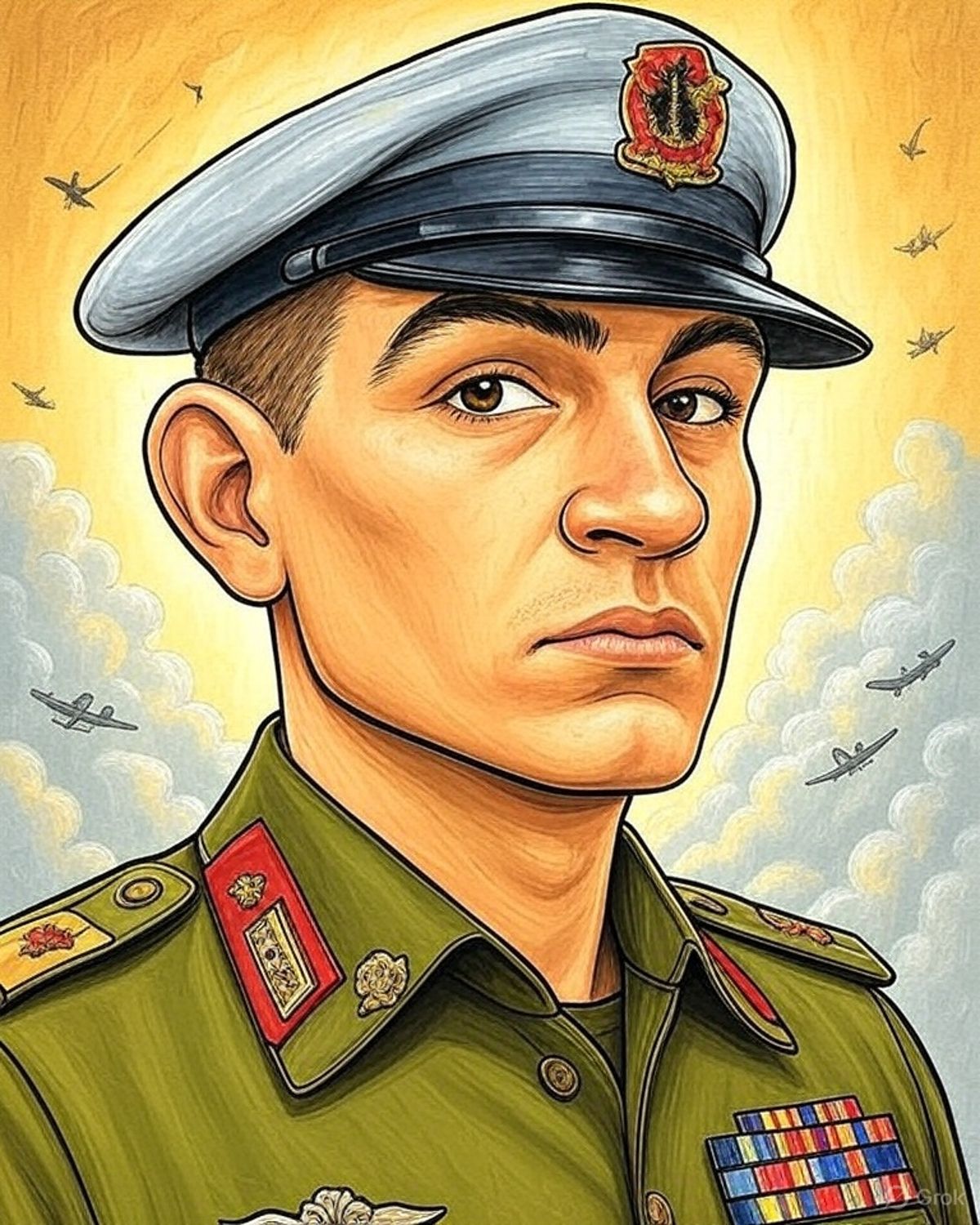
Sergeant Maayan Baruch Pearlstein, a 20-year-old Israeli from Eshhar, found solace in a song that stood apart from the TikTok-driven pop anthems of his generation.
Maayan, serving in the IDF’s 605th Combat Engineering Battalion, died when an IED detonated his Puma armored personnel carrier in southern Gaza, alongside six comrades: Lieutenant Matan Shai Yashinovski, Staff Sergeants Ronel Ben-Moshe, Niv Radia, Alon Davidov, Sergeants Ronen Shapiro, and Shahar Manoav. The attack, one of the deadliest since the March 2025 ceasefire with Hamas collapsed, exposed flaws in the IDF’s aging equipment. Maayan had warned commanders about the outdated APCs, his mother told Ynet, calling the soldiers “sitting ducks.” He was laid to rest in Misgav on June 25, 2025, mourned by a community waving Israeli flags, his sacrifice echoing a family legacy—his relative, Moshe Pearlstein, fell in 1948.
A Song of Jerusalem’s Soul
In 2025, TikTok pulses with hits from SZA, The Weeknd, or rising stars like Chappell Roan, fueling viral dances and trends. Yet Maayan, at 20, was drawn to the Miami Boys Choir’s “Yerushalayim Horim Saviv Lah,” inspired by Psalms 125:2. Its lyrics, sung by young voices, celebrate Jerusalem’s divine protection, resonating with Maayan’s deep connection to Israel. The song’s simplicity and spiritual depth offered him a refuge from the noise of modern culture, reflecting his own clarity of purpose as a soldier committed to his homeland.