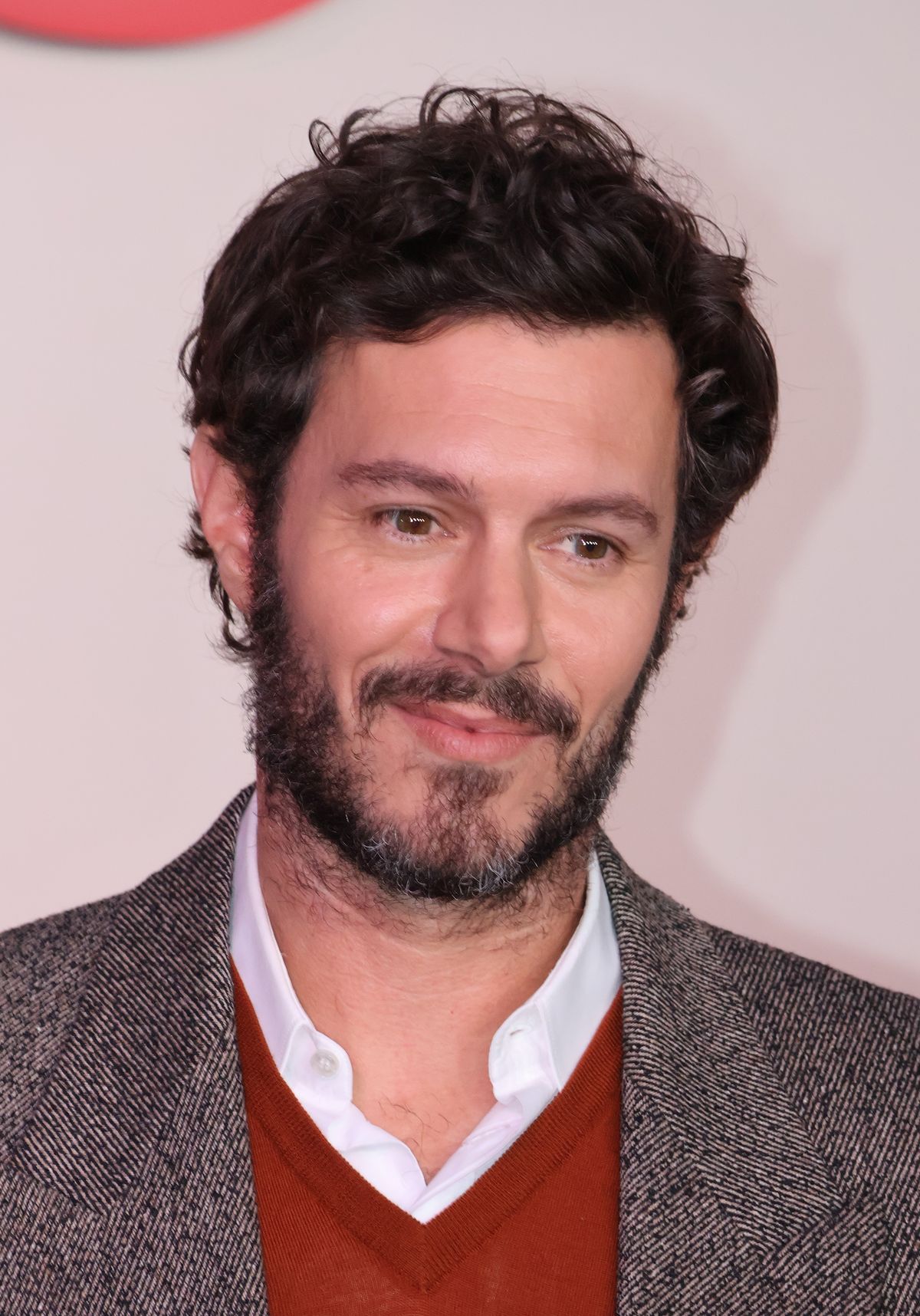
A month ago, Adam Brody told GQ: "Put me down as thinking it's a genocide. Put me down as wanting a free Palestine." He said it casually, the way you'd mention a restaurant you liked.
I live in Israel. I am the mother of five sons. I have spent three years watching this country bury its children, count its hostages, and run to shelters while the world debated whether we had the right to defend ourselves. So forgive me if I can't file Brody's comments under "celebrity has opinion" and move on.
Let's be precise about what he said, because precision is exactly what was missing from it. "Genocide" is not a synonym for "a war I find upsetting." It is a specific crime: the intent to destroy a people. It is the word for what was done to our grandparents. It is also, by any honest reading, a far better description of what Hamas set out to do on October 7, in its own words and on its own body cameras, than of a war Israel was forced into to bring its people home. To hurl that word at the Jewish state is not criticism. It is an inversion, and it is one of the most effective weapons ever aimed at Jews. Every time a Jewish celebrity picks it up, it gets a little sharper.
"Free Palestine" is no better. On a protest banner today, it rarely means a peaceful state beside Israel. More often it means a state instead of Israel. Brody may not mean that. But he didn't bother to say what he did mean, and when you are one of the most visible Jewish faces on television, that carelessness is a choice.
What stings most is the gap between the man and the role. Noah Roklov is a rabbi who takes Jewish history seriously, who loves his community even when it drives him crazy, who understands that being a Jew means belonging to something larger than yourself. Brody, by his own account, came to the part knowing almost nothing. Before the show premiered in 2024, he told the Los Angeles Times he "didn't know the first thing about Judaism." Rabbi Steve Leder, who consulted on the first season to make Noah authentic, put it more bluntly after the GQ interview, calling Brody a "relatively ignorant Jew."
That's the heartbreak. The show taught millions of viewers to see Jewish life as something beautiful. It seems to have taught its star very little.
So how do I sit with both? Here is where I've landed.
The show is not Adam Brody. It belongs to Erin Foster, who created it out of her own story of converting to Judaism, and to the writers, cast and crew who made something genuinely good. Foster responded to Brody with more grace than I could have managed. She said she loves him and disagrees with him, and added the line that matters most: "playing a rabbi on television doesn't make him a spokesperson for the Jewish community."
She's right. And that cuts both ways. Brody doesn't speak for us. But neither does his silence on the October 7 massacre, or his comfort with a slur against the Jewish state, get to erase what the show says about us. I refuse to hand him that power.
I will keep watching. I will laugh at Esther and Sasha, and I will probably cry at the wedding episodes. When Joanne stands before a beit din, I will think of every convert who chose this people knowing exactly what it costs to be one.
And I will hold onto a sad irony: the character Brody plays would have understood this moment far better than he does. Noah Roklov would have known that a Jew who stands with his people at their most hated hour is not being political. He's being a Jew.
Adam Brody could learn a lot from the rabbi he plays.