For three years, and especially since the war began, you could not scroll through Israeli social media without running into them. Religious-Zionist influencers turned their feeds into a bleeding diary of struggle.
We heard them venting, watched them crying on camera, read heartbreaking posts about husbands closing in on 500 reserve days, about homes falling apart, about children growing up without a father and about the justified feeling that they are simply suffocating under the burden. We listened, we identified, and we even got angry alongside them.
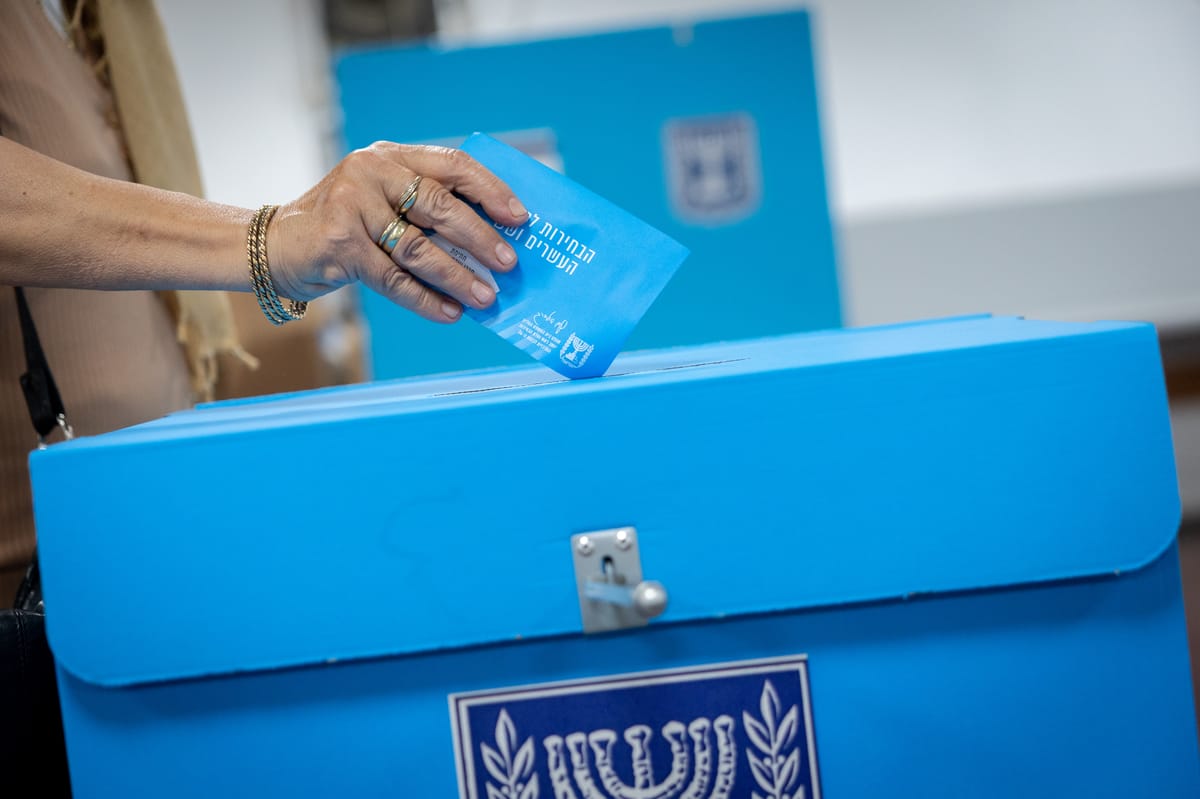
And then, finally, the moment of truth arrived. The ballot boxes opened. After three unbearable years, each and every one of us was given the chance to make an impact, to recalculate the route and to demand real change in the state's priorities. But the moment the Instagram screen was replaced by the voting booth curtain, reality disappeared, and in its place came the old fears.
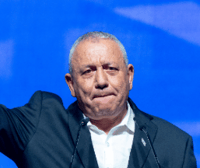
Instead of translating the real distress at home into civic action, we discovered that those same influencers prefer to stay in exactly the same place. When we looked at the party platforms, the picture was clear: there are parties that made equal burden-sharing, drafting chareidim and ending the exemption a core issue. But for them, to vote for parties like Bennett's or Eisenkot's? Heaven forbid. That is too "left-wing". Never mind that within those lists are clear right-wingers, security hawks and settlement figures. The narrow political analysis defeated the day-to-day reality.