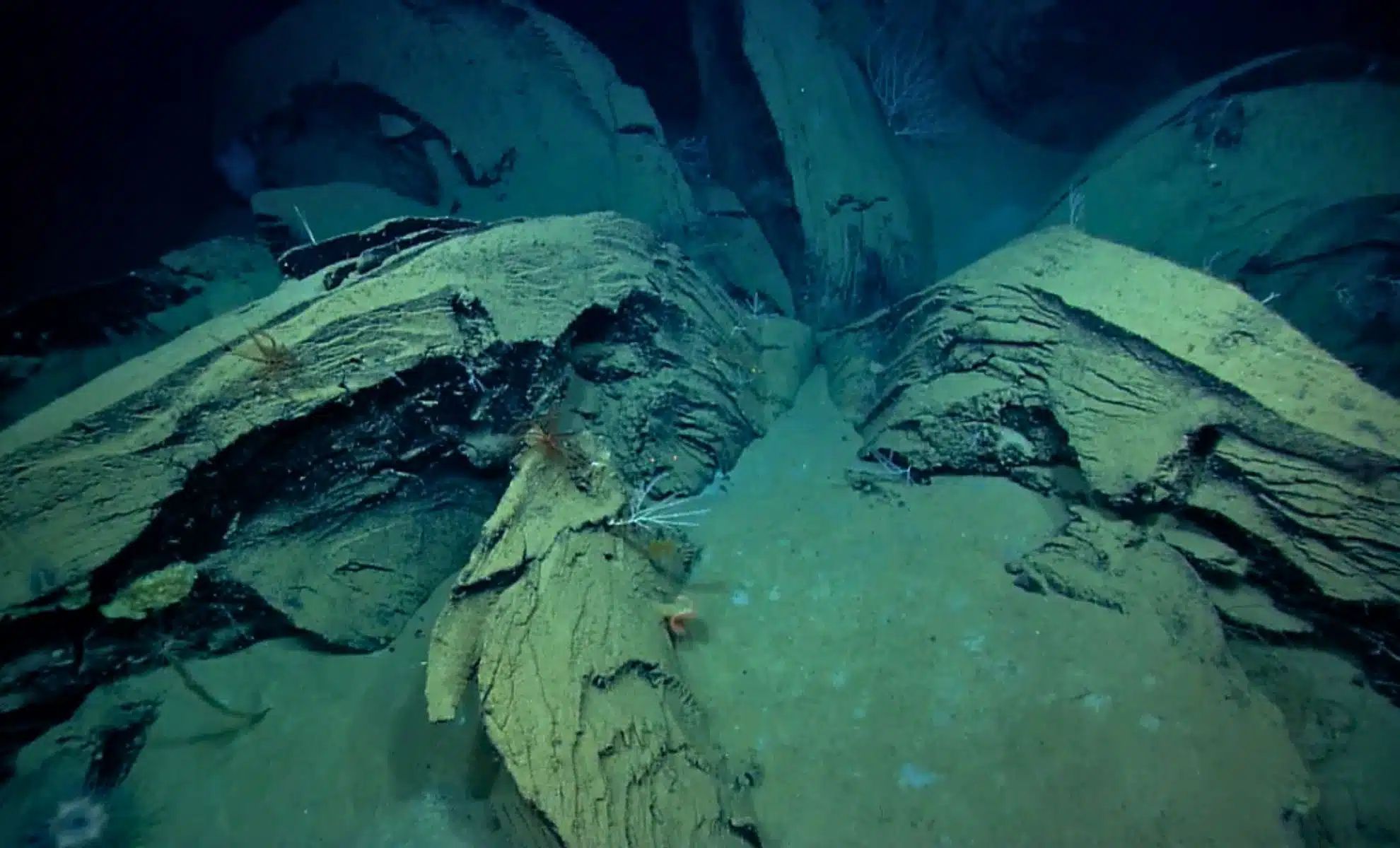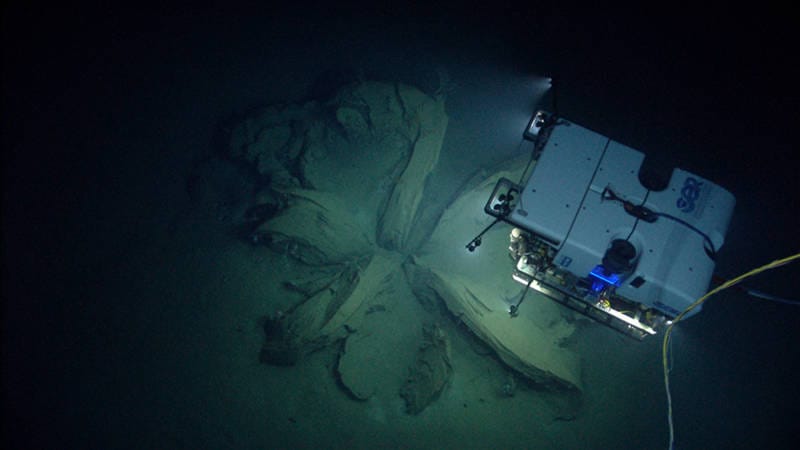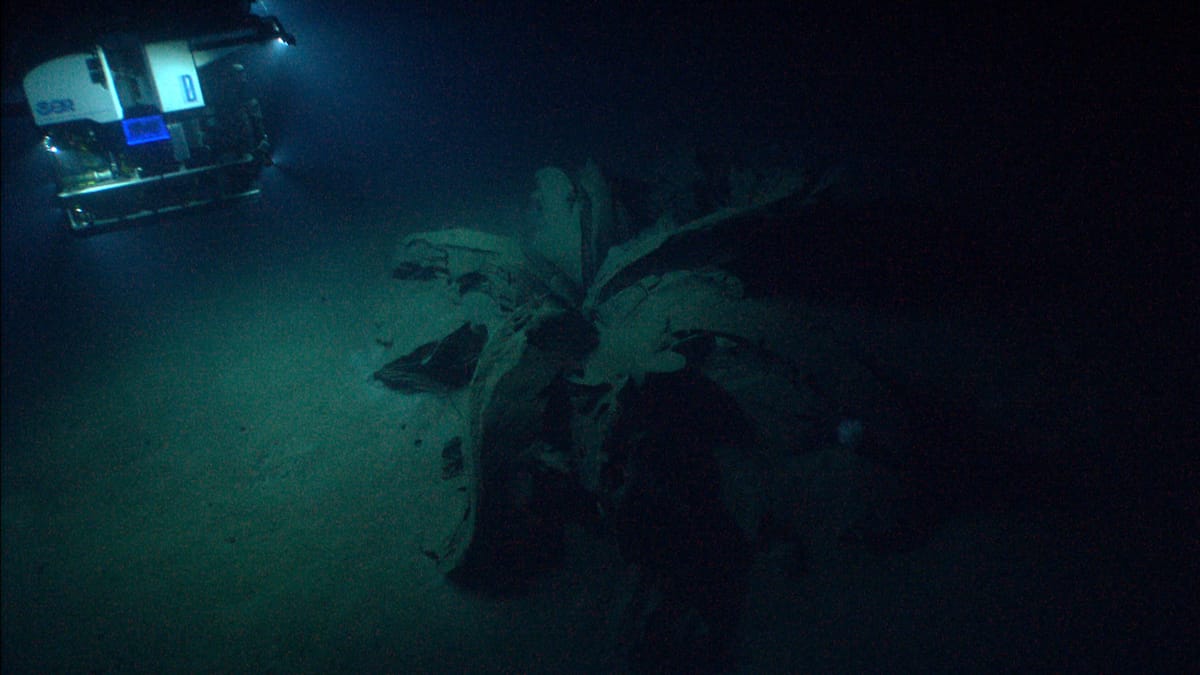
An intriguing sonar signal from the depths of the Gulf of Mexico set the discovery in motion. During a research expedition by the United States' National Oceanic and Atmospheric Administration (NOAA), scientists identified an unusual object on the seafloor approximately 1,900 meters below the surface. Its shape and size suggested the possibility of a sunken vessel, prompting researchers to deploy the Deep Discoverer underwater robot for closer examination. When the robot reached its destination, however, the search for a shipwreck led to an entirely different find. Instead of maritime debris, large structures stood on the seabed resembling flowers growing from the earth.
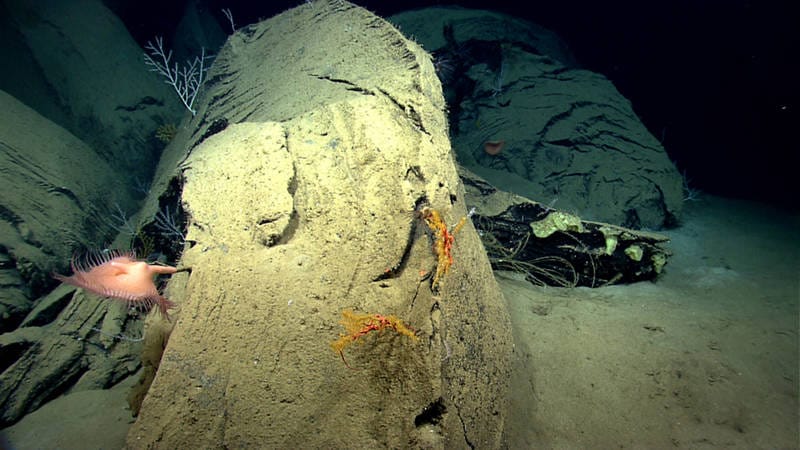
These formations earned the nickname "Tar Lilies." They are actually natural eruptions of asphalt that solidified on the ocean floor. Dense petroleum and hydrocarbon materials are forced under pressure through cracks in the seabed sediment. When this material reaches the extremely cold deep waters, it cools and hardens rapidly. During the cooling and contraction process, folds and cracks form, and in certain cases these arrange themselves into petal-like shapes surrounding a central point, creating the appearance of a giant flower.
Researchers documented two such formations that day. NOAA notes these were the first known examples of activity termed "asphalt volcanism" in this region of the Gulf of Mexico. Similar phenomena are known from other locations with hydrocarbon deposits beneath the seabed, but the unusual flower shape and the site where they were found made the discovery particularly intriguing.