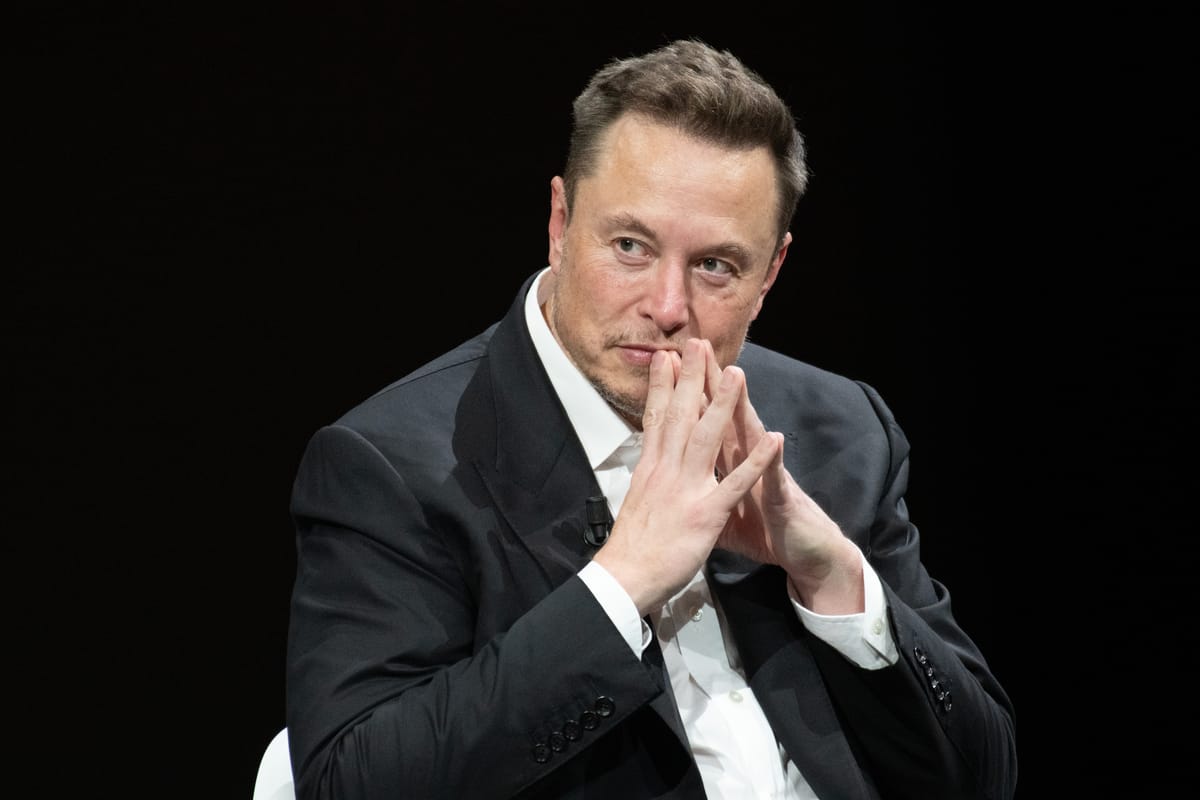
A federal jury unanimously rejected Elon Musk’s massive lawsuit against OpenAI and its leadership, handing a decisive victory to CEO Sam Altman and clearing a major legal hurdle for the artificial intelligence company’s highly anticipated $1 trillion public offering.
Following weeks of testimony, the jury deliberated for less than two hours before finding that Altman and co-founder Greg Brockman were not liable for Musk’s claims of breach of contract and unjust enrichment.
The jurors determined that Musk, the world’s wealthiest individual, filed his lawsuit too late, missing the statute of limitations. Attorneys for OpenAI successfully demonstrated that Musk was aware of the company's plans to transition into a for- profit entity as early as 2017.
The Battle Over OpenAI's Vision
The high-stakes legal battle centered on Musk’s allegations that Altman and Brockman had effectively "stolen a non-profit." Musk, a co-founder and early financial backer of OpenAI, argued that the current leadership violated the company’s original founding agreement, which pledged to develop artificial intelligence safely for the benefit of humanity without pursuing financial gain.
The presiding judge dismissed all charges against Altman and Brockman, effectively granting legal validation to OpenAI’s current corporate structure.
Wall Street Breathes a Sigh of Relief
The verdict removes a catastrophic financial threat to OpenAI, which is reportedly planning an initial public offering (IPO) later this year at a valuation nearing $1 trillion.
Had Musk prevailed, his demands could have derailed the company's financial future. The billionaire had sought The immediate ousting of Sam Altman from leadership, and The forced transfer of $150 billion in assets to OpenAI's non-profit arm.
Financial markets reacted positively to the news. The ruling ensures long-term stability for OpenAI's lucrative partnership with Microsoft and secures its ability to raise future capital without clouding legal liabilities.
Appeals and Contrasting Reactions
Following the verdict, legal counsel for OpenAI celebrated the outcome, stating that Musk’s allegations amounted to "stories, not facts."
Conversely, Musk's legal team announced its intention to appeal the decision, claiming that Altman's victory was merely technical and stemmed from statutory timelines rather than the essence of justice. Despite the loss, Musk's attorneys maintained that they succeeded in exposing the deception of OpenAI's leadership to the world.