
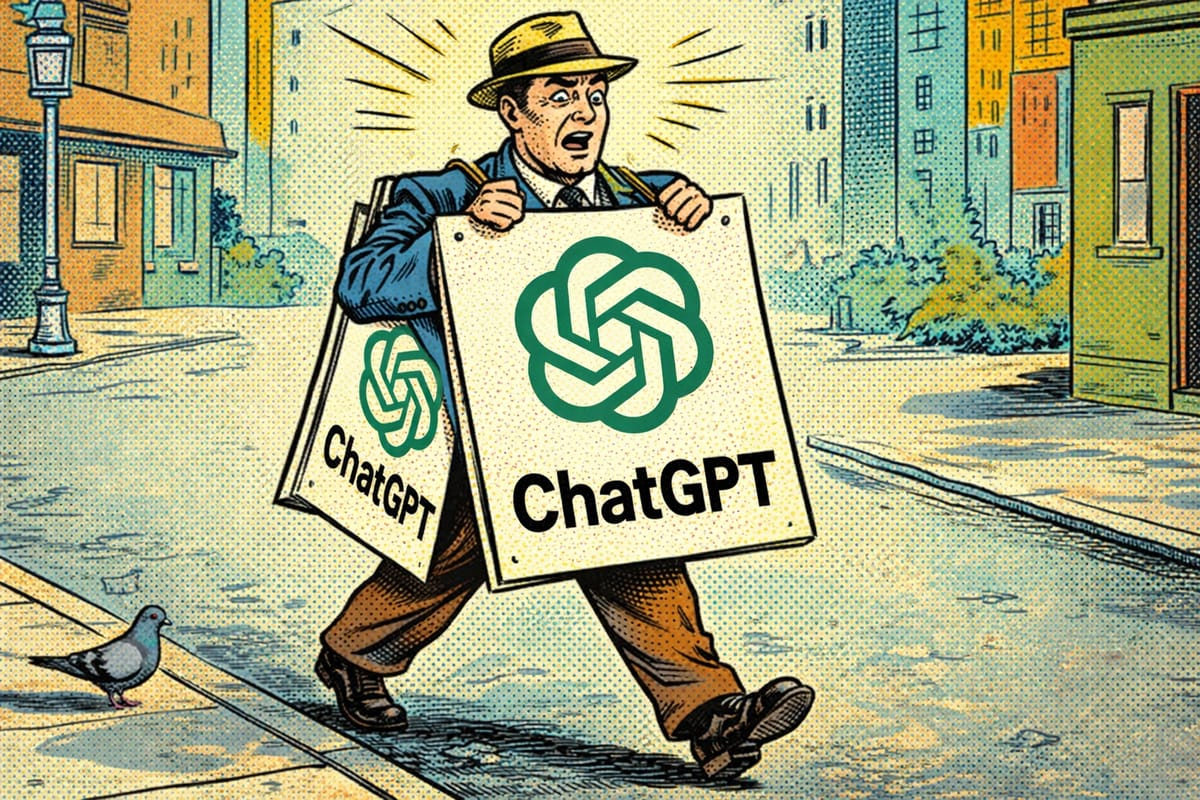
After months of denials, it is becoming clear that OpenAI is actively exploring how advertising could be integrated into ChatGPT, despite repeated public statements downplaying or postponing such plans.
According to a new report by The Information, OpenAI has recently developed and tested several concepts for embedding advertisements within ChatGPT. These efforts are being carried out quietly, behind the scenes, even though OpenAI CEO Sam Altman previously described advertising as a “last resort.” In a podcast appearance in October, however, Altman struck a more flexible tone, saying ads might be “a bit unpleasant, but not impossible.”
The core challenge facing OpenAI is how to introduce ads without undermining user trust. Many users share highly personal, sensitive information with ChatGPT, and any perception that responses are shaped by advertisers could discourage open use of the platform. Nevertheless, leaks and internal discussions suggest the company is currently focused on ways to prioritize sponsored information inside ChatGPT responses when users ask commercially relevant questions.
One example reportedly under consideration involves product recommendations. If a user asks ChatGPT for advice on cosmetics, such as blush, the response could give preference to sponsored beauty products labeled as paid content. Another concept would delay advertising until a conversation naturally moves in a commercial direction. For instance, if ChatGPT builds a travel itinerary for Paris, the initial suggestion to visit the Eiffel Tower would remain organic. However, if the user clicks for more details, a pop-up or sidebar could then display sponsored links to paid tours or experiences.
Signs of these experiments surfaced as early as November, when developers noticed references to ad-related features in a beta version of the Android ChatGPT app, including phrases such as “ad feature,” “marketing content,” and “search ad carousel.” OpenAI initially denied these findings, calling them external app recommendations. Later reports suggested that after Google made significant advances with the latest version of Gemini, OpenAI declared an internal “code red” and temporarily delayed its advertising plans to focus on improving ChatGPT’s performance and answer quality.
Despite that pause, the advertising strategy was not abandoned. Recent reports indicate that a small number of users have already encountered experimental sidebars displaying sponsored information alongside ChatGPT responses. OpenAI has also quietly hired professionals with backgrounds in digital advertising and introduced shopping-related features that could eventually serve as a foundation for targeted ads.
In a statement responding to the report, OpenAI acknowledged the exploration. “As ChatGPT becomes more widely used, we are looking for ways to continue offering more information to everyone,” a company spokesperson said. “As part of that, we are exploring what ads in our product could look like. People have a trusted relationship with ChatGPT, and our approach is meant to respect that trust.”
Industry analysts are watching closely. Google has already begun placing clearly labeled sponsored content inside its AI-powered search experiences, and a move by OpenAI into advertising could significantly disrupt the digital ad market dominated by Google, Meta, and Amazon. While ChatGPT reportedly has around 900 million weekly active users, only about 5% currently pay for premium subscriptions. Advertising could offer OpenAI a powerful new revenue stream, but it also raises concerns about redefining the economics of the internet, especially given the depth of personal data revealed in AI-driven conversations.
For now, OpenAI stresses that no final decisions have been made and that all advertising concepts remain experimental. Whether ads appear in sidebars, blend into answers, or are delayed until explicit user intent is shown will be a key test of how the company balances monetization with trust. Combining advertising with conversational AI, if it happens, would mark a significant shift not only for OpenAI, but for the future of online information itself.