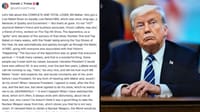
When President Donald Trump dismisses unfavorable news coverage as "fake news," he's tapping into a broader phenomenon that predates his political career. The systematic manipulation of public perception, what experts call "mind control", represents a scientifically refined international practice that uses artificial intelligence to regulate emotions and shape beliefs. Trump didn't invent the rejection of inconvenient information; he's simply leveraging techniques that have been developed and deployed for decades across multiple domains of modern life.
Digital Manipulation
Mind Control Beyond Politics
From election campaigns to consumer choices, sophisticated psychological techniques and artificial intelligence shape human behavior across all areas of life

Political campaigns have largely abandoned rational persuasion in favor of psychological warfare powered by data analytics. The technique known as micro-targeting categorizes citizens according to psychological profiles, identifying who responds to anxiety-based messaging or whose opinions shift after exposure to seemingly random social media posts, then feeds each person customized content designed to influence their behavior.
During crises, these consciousness engineers deploy "spin" to distract attention while simultaneously applying the classic marketing strategy of "divide and conquer" to deepen social polarization. The use of bots and astroturfing, automated online activity driven by artificial intelligence, creates the illusion of grassroots movements building organically, exploiting herd mentality and hidden social pressure that extends far beyond the voting booth.
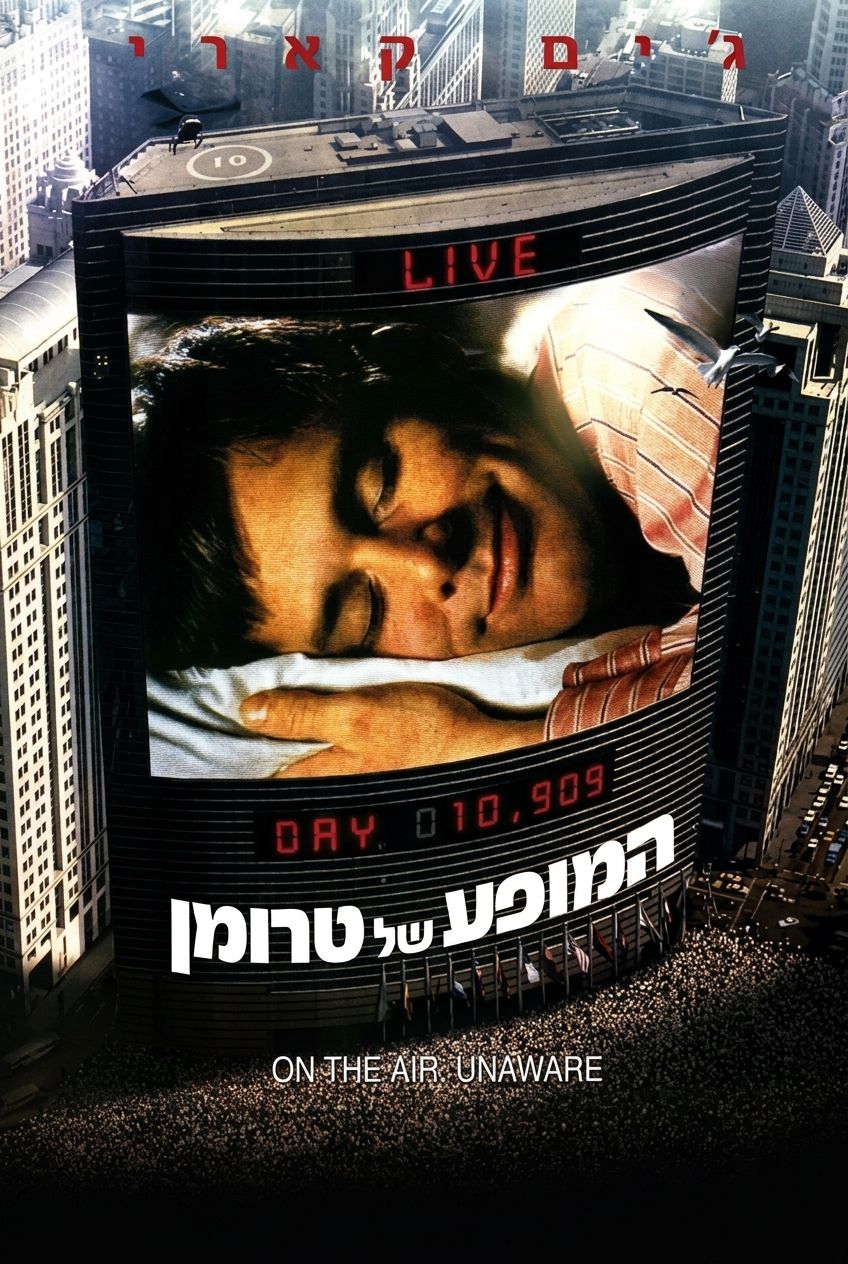
In personal life, corporations and influencers systematically engineer human thinking and self-worth to generate artificial demand for products and lifestyles. Even Hollywood's modern cinema pioneers have explored fears of corporate thought control. Acclaimed director Peter Weir partnered with actor Jim Carrey to create "The Truman Show," a film that critiques American consumer culture and its subjugation to mega-corporations controlling the world's most powerful nation. This enduring work depicted a disturbingly plausible reality: the artificial world built around Truman, a man sold to a broadcasting corporation as an infant, consists entirely of products available for purchase, maintaining the illusion that everything surrounding the protagonist is authentic when the opposite is true. Truman has no real choice until he discovers the truth about his manufactured existence.

Algorithms based on "choice architecture" guide us through screens and store shelves toward the most profitable brands, creating what researchers call "the illusion of choice." Professional social media influencers function as programmers, creating seemingly authentic "Trojan horses" that insert commercial messages below the radar of our conscious defenses. They exploit FOMO, the fear of missing out, a phenomenon that has gripped younger minds with an intensity rivaling major cultural events. (If you're unfamiliar with the term, ask your children, they'll know.)

All these hidden mechanisms, which intensify significantly during election seasons and before holidays, rely on activating the brain's "emotional autopilot" mode, triggering anger, envy, or fear. Once lack of awareness neutralizes critical thinking, human behavior becomes predictable and easy to steer in whatever direction artificial intelligence recommends. Recognizing these tactics, knowing your adversary and evading manipulation in real time, represents the first step toward reclaiming genuine control over one's actual life.