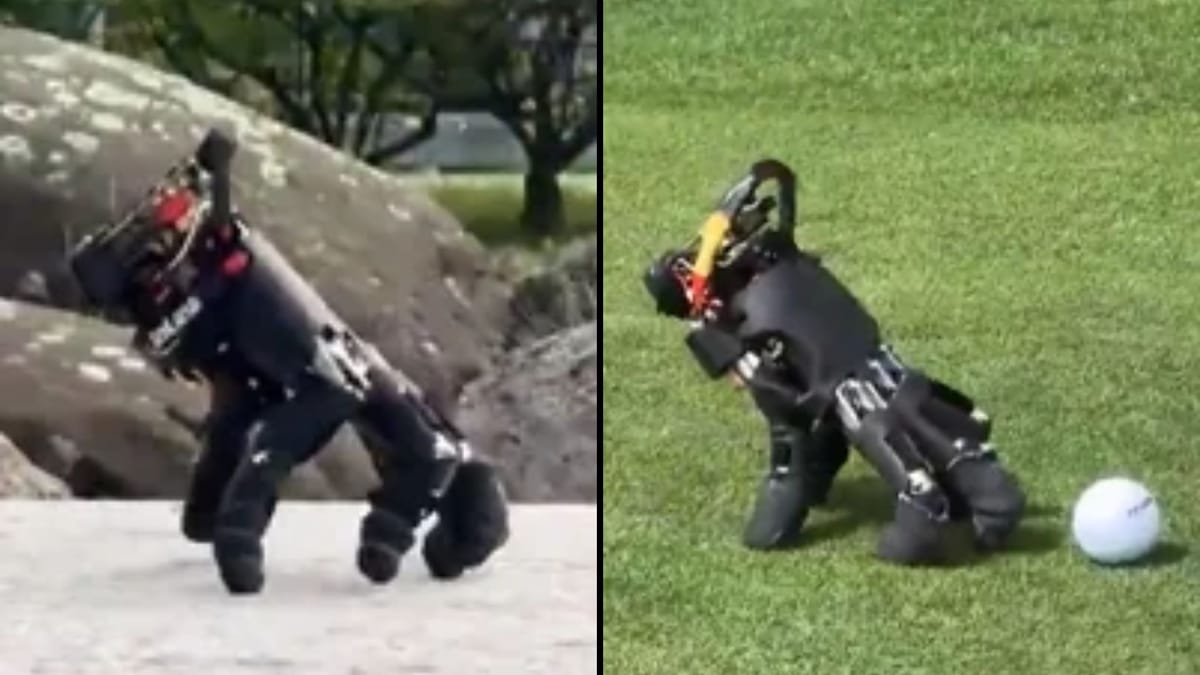
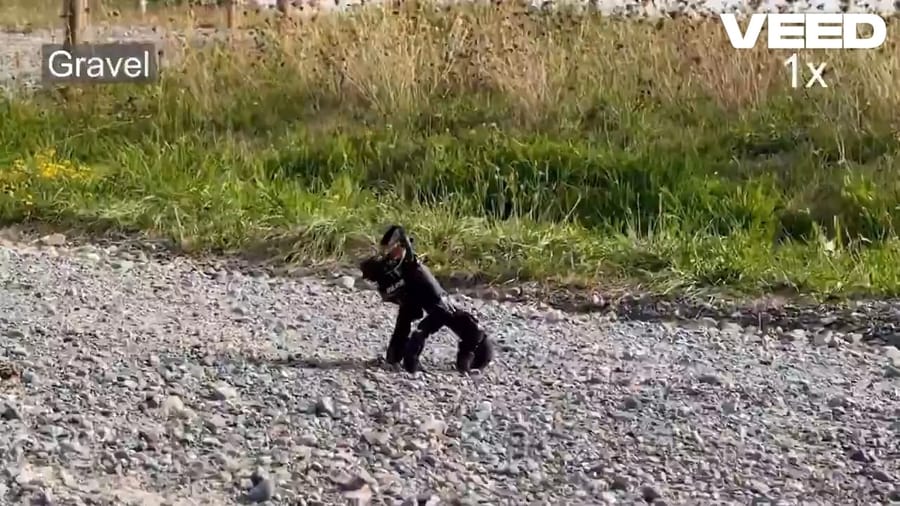
A robotic hand that scuttles across the floor on its fingers sounds like a horror-movie prop. At ETH Zurich, it’s a research project.
Engineers at the Swiss Federal Institute of Technology’s Soft Robotics Lab have built a robotic hand that propels itself forward by “walking” on its fingers, with machine learning handling the coordination on its own. The team has published both a research paper and videos of the hand in action, and the footage is every bit as eerie as you’d expect.
The creepiness belies a genuinely hard problem. As doctoral researcher Amirhossein Kazemipour explains, getting a hand to walk autonomously is far from simple: each finger is different, and the system has to synchronize all of them while keeping itself balanced.
Rather than hard-coding every possible motion, the researchers trained the hand in a physics-based simulation designed to mirror the real world. There, through repeated attempts, the robot worked out which movements pushed it forward and which kept it upright.
The result is a showcase for what happens when soft robotics meets AI: machines that can teach themselves complex, coordinated movement without being told exactly how. The approach could feed into future robotic systems with more advanced locomotion and control.