Iran is playing its strongest hand. But in doing so, it may be accelerating its own strategic decline.
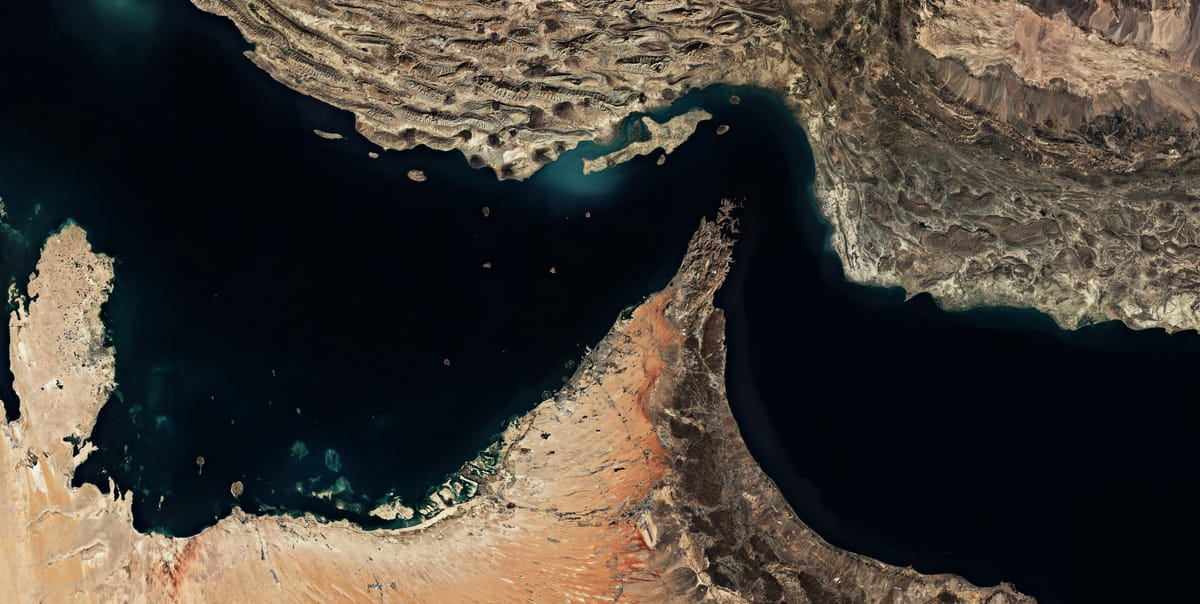
With roughly 20% of global oil flows passing through the Strait of Hormuz, Tehran's ability to threaten or restrict that chokepoint has long been considered its ultimate leverage over the West and global energy markets. As the regime faces mounting pressure in the wake of Operation Roaring Lion, it is now reaching for that card.
The problem, according to open-source intelligence analyst Open Source Intel, is that using it may be the worst long-term strategic move Iran could make.
"The more Iran leans on Hormuz, the faster global energy flows reroute around it," Open Source Intel wrote Sunday. "Over time, that erodes Tehran's leverage and cuts into its long-term power."
The logic is straightforward. The moment Hormuz is weaponized, not merely threatened, but actively used as a pressure tool, it stops being a deterrent and becomes a forcing function. Energy-dependent nations and Gulf producers suddenly have every incentive to do what they had been putting off for decades: build around it.
Open Source Intel laid out what that looks like in practice. Saudi Arabia will almost certainly move to expand its East-West pipeline capacity, providing an overland route that bypasses the strait entirely. Gulf states will begin investing heavily in alternative export infrastructure. And perhaps most consequentially for the region, Israel, already emerging from the conflict with dramatically elevated strategic standing, could position itself as a corridor for energy transit, a role that would have been unthinkable just months ago.
"These shifts won't happen overnight, but they are now inevitable," the analyst noted.
This is the trap at the heart of Iran's Hormuz strategy. Its value as leverage depends entirely on the world believing there is no alternative. The moment Tehran actually pulls the trigger, that belief evaporates and billions of dollars begin flowing into infrastructure designed to make the strait irrelevant.
There will be short-term pain. Oil prices will spike, markets will rattle, and the pressure on consuming nations will be real. Open Source Intel acknowledged as much, describing the near-term outlook as one of "short-term pressure as the regime plays its strongest hand."
But the bottom line, in the analyst's words, is damning: "Long term, this is a massive strategic failure of historic scale that will come back to bite them very hard."
For a regime already reeling from the loss of Ayatollah Khamenei and dozens of senior officials, doubling down on Hormuz may feel like the only move left. History may record it as the move that made Iran's isolation permanent.
Analysis sourced from Open Source Intel (@Osint613)