Get our mobile app
Download on the App StoreGet it on Google Play

War of Attrition

US-Iran Shadow War Escalates in Mideast

Washington pursues strategy of gradual degradation against Tehran's military capabilities while Iran strikes back at American bases across the Gulf, creating a volatile cycle that benefits Israel but risks wider regional conflagration

US soldiers

While tensions with Turkey appear to be easing through diplomatic channels—with Ankara positioning itself as a sophisticated mediator, the real flashpoint on the global stage has erupted elsewhere with full force.

A covert confrontation that operated for years in the shadows has now burst into the open with unprecedented intensity. Waves of missile and drone strikes across the region mark a turning point: the conflict never disappeared, it simply assumed a new, far more lethal and aggressive form.

Beneath the veneer of diplomacy, Iran's clerical regime in Tehran is escalating operations and striking with full force at American assets and proxies scattered throughout the Gulf. Strategic bases in Kuwait, Bahrain, and Jordan have overnight become targets of relentless attacks, proving that superpower presence no longer guarantees deterrent immunity.

In response, the United States is no longer watching from afar; American reactions are taking the form of focused military strikes aimed at systematically cutting down Iranian capabilities.

Meanwhile, Jerusalem stands on the hill, watching developments with open eyes, observing the gradual but critical weakening of the "axis of resistance", just before the entire powder keg explodes.
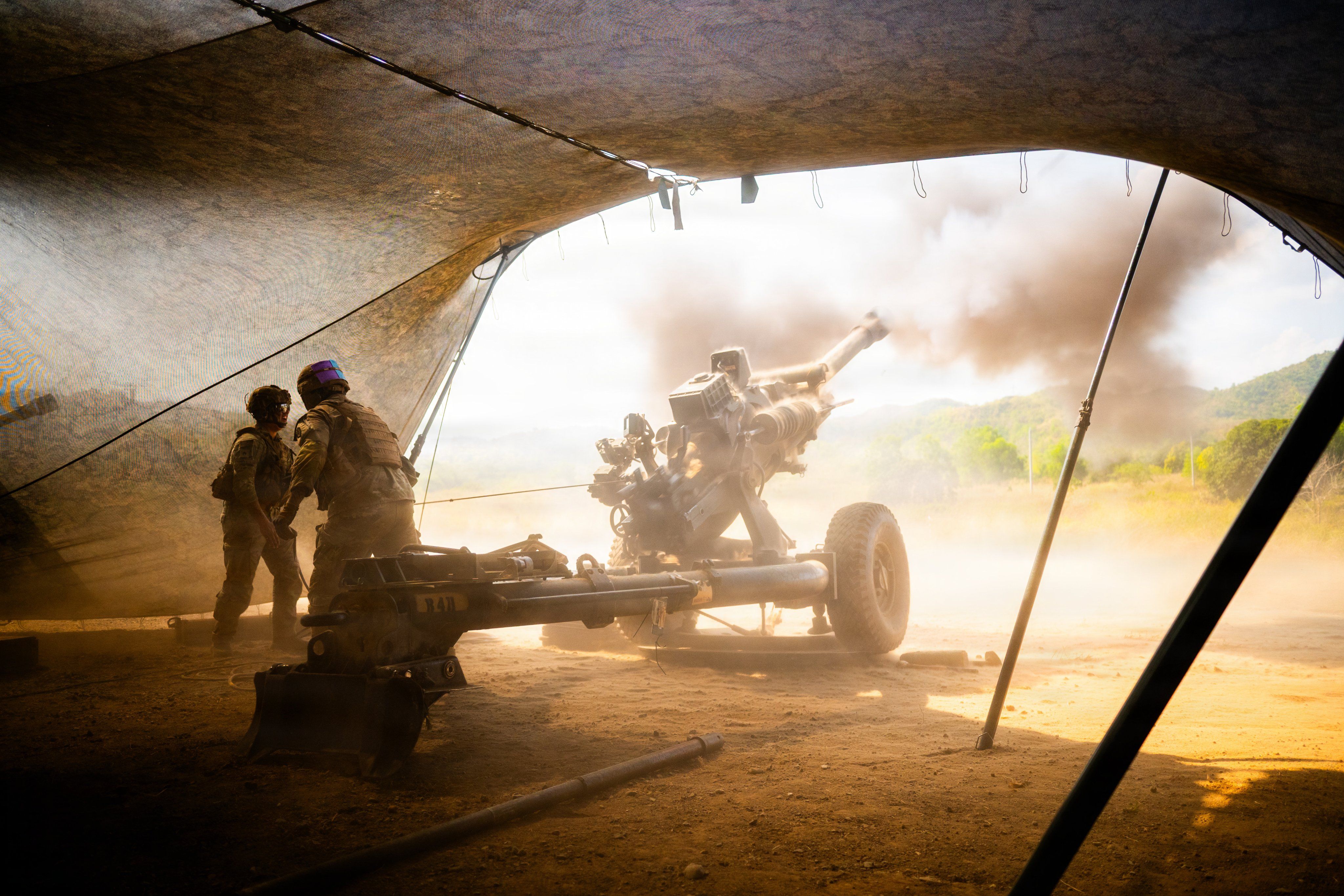
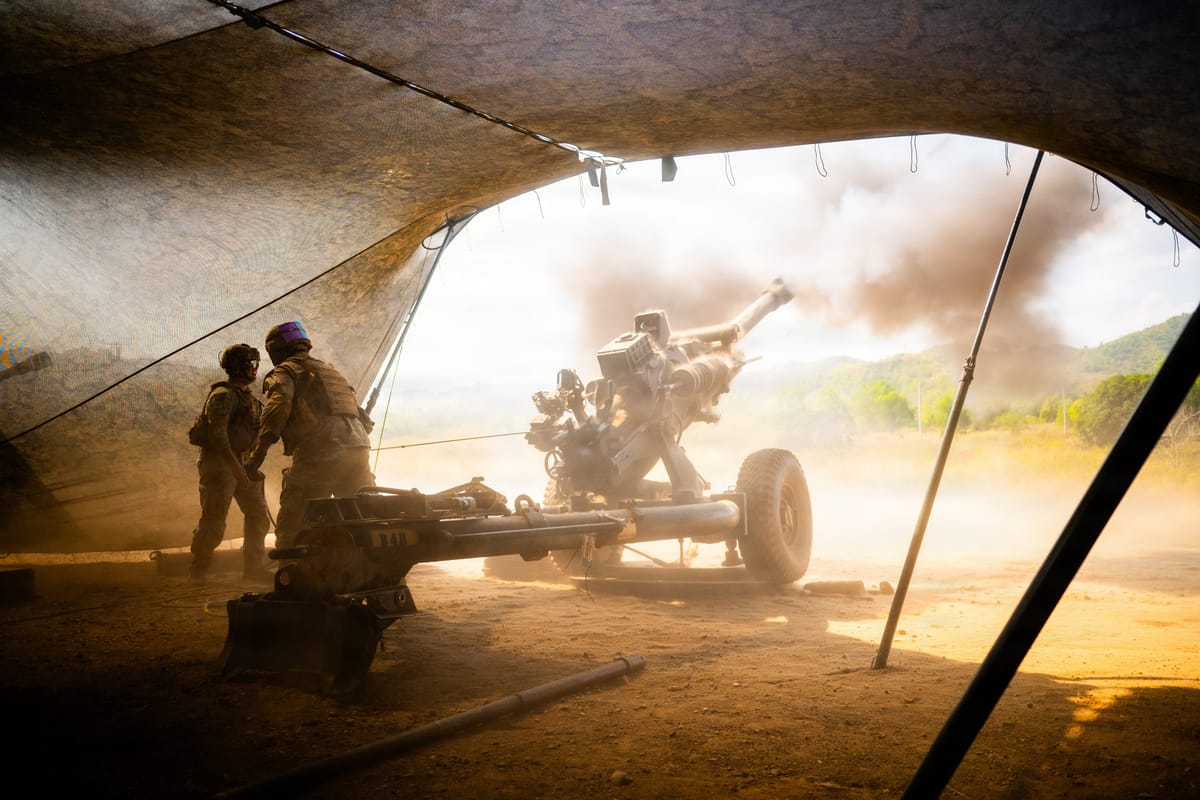
US soldiers
US soldiers (US Department of War)

The Pentagon's "Mowing the Grass" Strategy

In practice, even if official Washington language avoids blunt definitions, the US military has adopted its own version of a concept well-known from the Israeli arena, "mowing the grass." The idea behind this approach is simple, sustained, and aggressive: rather than seeking total victory, a broad regional war, or a dangerous ground invasion that would ignite the entire Middle East, the decision was made to strike repeatedly at every Iranian attempt to raise its head, build terror infrastructure, develop advanced launch capabilities, or rehabilitate its defense systems.

As first revealed by Axios, every missile launcher detected, every hostile drone concentration, and every covert Iranian attempt to lay naval mines in the Strait of Hormuz receives a swift and precise response from the air. A clear example was the targeted American strike on Larak Island in late August 2026, directly aimed at destroying launchers prepared for planting naval mines in critical shipping lanes.

The American objective is clear: not to topple the Tehran regime overnight, but to wear it down slowly and thoroughly. This involves systematic depletion of missile stockpiles, deep damage to defense systems, and preventing Iran from generating credible deterrence against Washington and its allies. According to this concept, continued periodic and painful strikes will weaken the clerical regime to the point where it struggles to exert meaningful pressure on trade routes or regional states. This is a strategy of prolonged attrition, admittedly very expensive in resources and strategic attention, but one that avoids the enormous risks of total confrontation.

US forces fight against Iran
US forces fight against Iran (US Department of War)

Tehran's Counter-Strategy: Strike the Proxies and Send a Message

For its part, Iran's clerical regime has not remained passive and is implementing a diametrically opposite strategy: instead of folding under American pressure, it directs fire straight at Washington's proxies and interests in the region.

Even after repeated waves of American strikes within its territory, the Revolutionary Guards maintain an aggressive pace of fire. Missiles and suicide drones repeatedly make their way toward sensitive strategic bases in the Gulf and Jordan, from Ali Al Salem Air Base in Kuwait, through Fifth Fleet facilities and Sheikh Isa Air Base in Bahrain, to central hubs in Jordan like Muwaffaq Salti (Al-Azraq) and Camp Tatin.

The message Tehran sends to the White House is unambiguous: every American blow will be answered with immediate retaliation on the soil of US allies in the region. The Iranians identify relatively small Gulf states like Kuwait and Bahrain as "weak links", spaces with sensitive economies and heavy American presence that easily become pressure targets. Jordan too, despite its developed air defense array, repeatedly finds itself in the line of fire as part of the regime's messaging system.

While a significant portion of the ordnance is successfully intercepted before impact, the very fact of massive launches creates constant attrition, activates extremely expensive defense systems, and forces Washington to invest enormous resources in securing its partnerships.

Despite the severe blows Iran has absorbed, including destruction of launchers, damage to advanced radar systems, and demolition of military sites, it refuses to stop. This is a policy of stubborn resistance: proof that Tehran is not breaking, and that the price for American pressure will continue to be extracted directly from regional states' security.

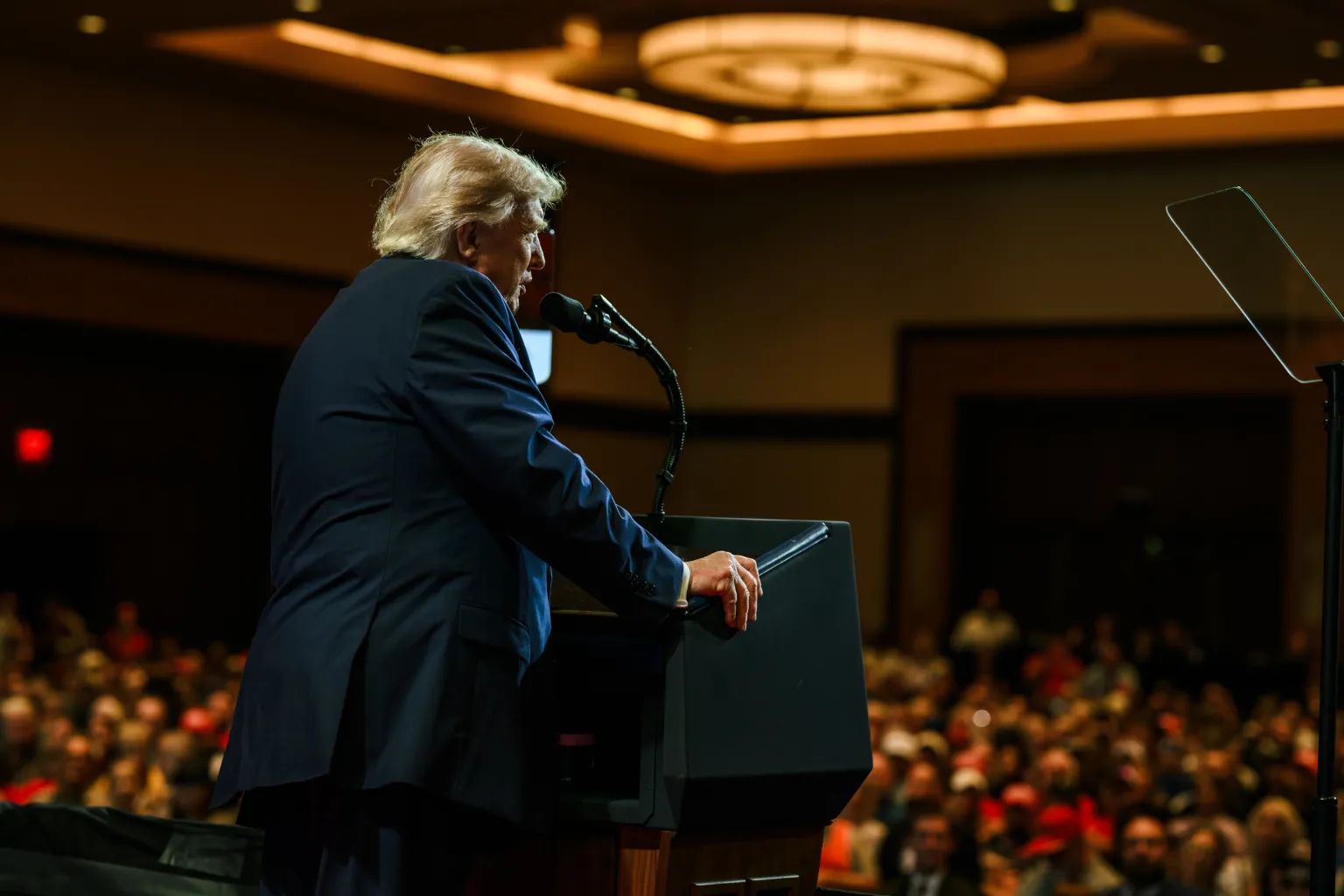
President Trump
President Trump (The White House)

Trump's Ultimate Test: Between Threats and the Full Plan

In the inner chambers of the White House, one of the most complex and explosive strategic tests of Trump's second presidency is currently unfolding. At stake is a fateful dilemma shaking the administration's top echelon and threatening to change the rules of the game throughout the Middle East.

On one hand, the American president keeps his foot on the gas and issues public, direct threats: to strike Iran "with force," "harder," and "at a higher level." Following Iranian retaliatory barrages toward bases in Jordan and the Gulf and previous attacks in the Strait of Hormuz, Trump makes clear that any further response from Tehran will trigger an equilibrium-shattering American blow. He even openly hints at the existence of "the biggest attack of all" waiting in the wings—one that could leave "very little of the Islamic Republic."

The questions on the Joint Chiefs' and Cabinet's table are razor-sharp: whether to authorize the "full plan", a wide-scale round of strikes including critical strategic targets, central energy infrastructure, command and control systems, and possibly even sites linked to the nuclear program, or to continue adhering to the measured "mowing the grass" approach that gradually wears down Iran but avoids total confrontation.

On one hand, the blunt threats are meant to project absolute deterrence and reinforce the perception that Iran is "militarily defeated" and its continued conduct amounts to strategic suicide. On the other hand, approving a comprehensive attack carries enormous risks: uncontrolled regional escalation, fatal damage to oil supply routes, sharp spikes in global energy prices, and tangible danger of additional powers' involvement. Within the administration itself, central voices push to prefer relentless economic pressure ("economic isolation operation") alongside pinpoint strikes, fearing that a broad blow would drag the United States into deep mud of prolonged conflict with no exit horizon.

Now, Trump's ultimate test becomes a delicate exercise in balancing force with restraint: the aspiration to strike the Iranian enemy and permanently remove the threat, versus the bleeding understanding that reckless escalation could turn the bowl upside down, vis-à-vis Tehran, vis-à-vis strategic Gulf partnerships, and vis-à-vis American public opinion weary of endless wars.

The Political Calculus: Why Washington Is Containing Escalation Until the Ballot Box

Behind the scenes of Washington decision-making is not just dry military considerations, but cold, calculated political calculus. According to reports based on senior White House sources and Reuters, Trump's close aides are focused on one clear goal: to prevent significant military escalation or full-scale war with Iran at least until the midterm elections on November 3.

The reason is deep fear of a heavy electoral price. Republicans, defending a thin and very fragile majority in both the Senate and House, know that a broad military adventure in the Gulf is unpopular among significant portions of the American public. A potential spike in fuel and energy prices, ongoing reports of wounded soldiers, and continued mutual missile barrages could completely dominate the media agenda approaching the polls and cost the ruling party precious congressional seats.

Therefore, the current White House strategy is managed with restraint: pushing the "full plan" aside temporarily, settling for increased economic pressure and relatively moderate pinpoint strikes, and managing the clock to maintain relative quiet until the polls close. However, sources sharply emphasize this is an electoral postponement only, not cancellation of the campaign, immediately after November 3, the option to expand the flames will return to the table with full weight.

The constant tension between the president's bellicose, threatening rhetoric and his advisers' political caution illustrates the ultimate dilemma: Trump's test is not only against Tehran, but a fascinating test of timing, priorities, and ability to survive the political battle at home.

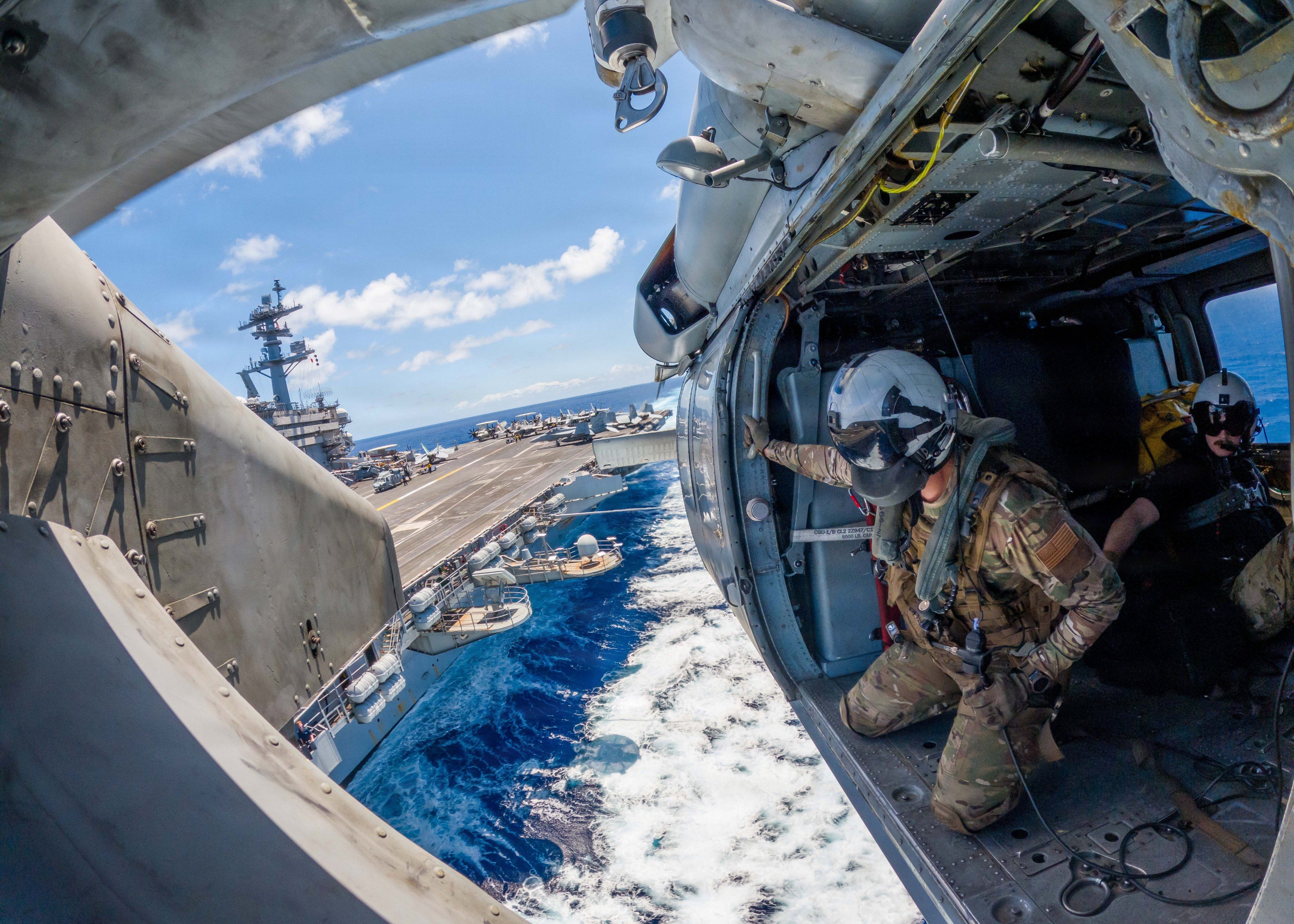
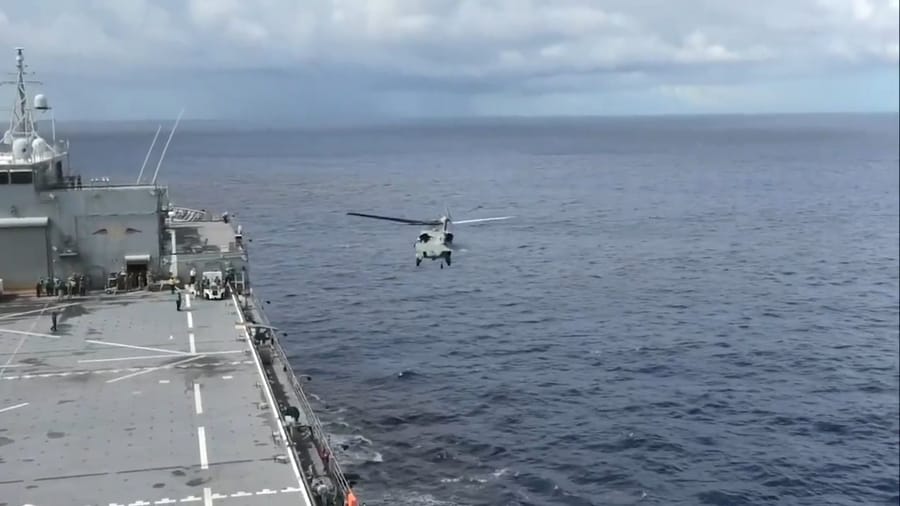
US navy
US navy (US Department of War)

Israel Benefits from the Attrition—Without Being on the Front Line

While the United States is immersed in an endless cycle of strikes and counter-strikes, Israel finds itself in a comfortable and exceptional strategic position. The ongoing, systematic weakening of Iran's capabilities, in missiles, drones, and critical military infrastructure, directly and optimally serves Jerusalem's security interests. The "axis of resistance," including Hezbollah in Lebanon, Shiite militias in Iraq, and the Houthis in Yemen, now suffers from indirect but heavy pressure, as Iran itself must divert enormous resources to internal defense and retaliatory efforts.

In the current state of affairs, Israel is not required to bear the main direct military burden against the Iranian octopus. It reaps the fruits directly: less Iranian capacity to support its regional offshoots, less maneuvering room for transferring advanced combat means, and more American attention exclusively devoted to restraining Tehran.

In effect, an unofficial strategic "division of labor" is created here: America wears down the head with fire, Israel benefits from the distant enemy's weakening, and simultaneously can continue concentrating its efforts on dealing with more urgent and proximate challenges at its borders.

Shadows in Moscow and the Escalation Question: When Will Patience Run Out?

The central question remaining open on the Joint Chiefs' table in Washington and the Cabinet in Jerusalem hovers like a heavy cloud: can the "mowing the grass" cycle continue over time without sliding into comprehensive regional escalation? Every additional attack on an American base, and every critical hit exacting a price in human life or vital infrastructure, could instantly change all extremity calculations.

Already, Iranian proxies in Iraq are on a direct collision course with American forces and with Saudi Arabia, and the situation in the Strait of Hormuz continues burning on low flame. To this is added extraordinary and dramatic cargo revealed in recent days—covert and deep Russian involvement in developing advanced supersonic cruise missiles for Iran, within a secret project code-named C430L.

According to leaked documents and intelligence data, senior missile experts from Moscow helped Tehran crack engineering difficulties in building ramjet engines enabling flight at enormous speeds at low altitude, a lethal capability designed specifically to threaten American aircraft carriers and warships in the Gulf.

If these reports are accurate, this involves unprecedented strategic technology transfer fundamentally changing the medium-range threat balance. Moscow's involvement complicates the picture: it torpedoes any American attempt to completely isolate Tehran, and escalates the risk that local confrontation will become a broad arena of inter-superpower grappling.

Ultimately, the "mowing the grass" strategy may succeed in gradually wearing down the Iranians and depleting their capabilities, but it also leaves the entire Middle East in a state of constant boiling.

Israel admittedly reaps the fruits meanwhile and benefits from its enemies' weakening, but history teaches that no regional player is immune from being swept into uncontrolled escalation. The dramatic question now at stake is not only who will weaken more in the next round --- but which side's patience will snap first.

Ready for more?

Join our newsletter to receive updates on new articles and exclusive content.

We respect your privacy and will never share your information.

Enjoyed this article?

Yes (38)
No (2)
Follow Us:

Unmissable content


Loading comments...

Also of Interest