The Small Mistake That Ruins Salmon
A piece of salmon can look perfect going into the oven. The marinade is glossy, the lemon is ready, and the smell promises a good meal. Then the same problem appears again: a white layer rises to the top of the fish, the texture turns dry, and the kitchen fills with a stronger fishy smell than expected.
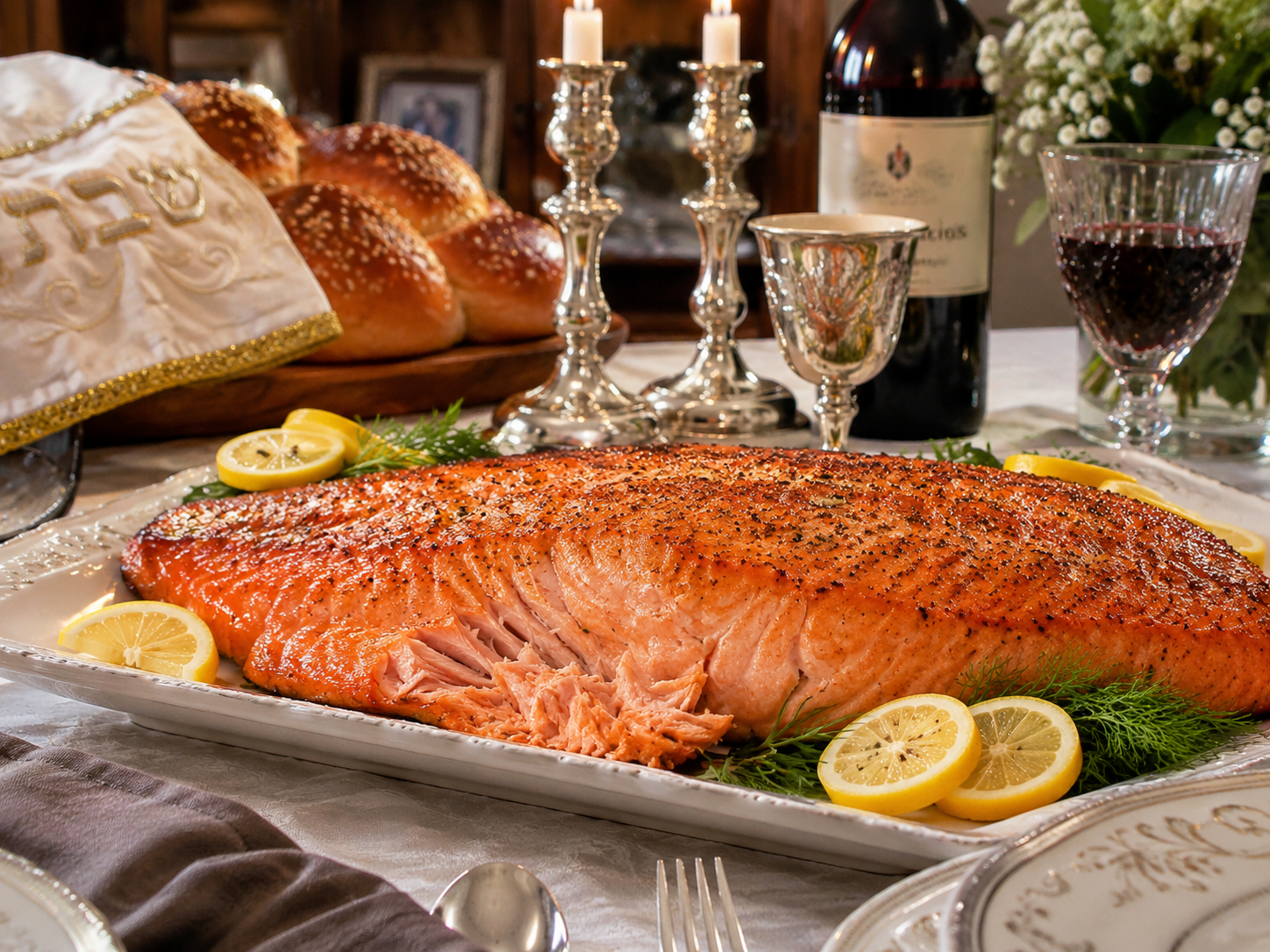
A piece of salmon can look perfect going into the oven. The marinade is glossy, the lemon is ready, and the smell promises a good meal. Then the same problem appears again: a white layer rises to the top of the fish, the texture turns dry, and the kitchen fills with a stronger fishy smell than expected.
The problem is usually not the salmon itself. In most cases, it comes down to a few small preparation mistakes, especially overbaking.
The white substance that appears on salmon during cooking is called albumin, a natural protein found in the fish. When salmon is cooked too long or at too high a temperature, the protein separates from the flesh and comes to the surface.
It is not dangerous, and it does not mean the fish has spoiled. It is simply a sign that the salmon has been pushed further than it needed to go.
Lemon is another common issue. It does not ruin salmon, but it should be used carefully. The acid in lemon juice begins changing the structure of the fish’s proteins. If salmon sits in lemon juice for too long, the texture can become dry or slightly chalky.
That is why many cooks save most of the lemon for the end. A short marinade is fine, but fresh lemon squeezed over the fish right before serving gives brightness and flavor without damaging the texture.
The fishy smell many people dislike is also not solved by pouring on more lemon. It is usually caused by fish that is not fresh enough, poor storage, or overcooking. When salmon dries out in the oven, it releases more of the compounds that create a strong fishy odor.
One simple trick is to dry the salmon before baking. A few hours before cooking, remove it from the package, pat it well with paper towels, and place it uncovered on a plate in the refrigerator. The cold air lightly dries the surface, helping the fish brown better and release less excess moisture in the oven.
For juicy salmon, start by drying the fish well. Coat it with a simple marinade of olive oil, garlic, mustard, honey or silan, paprika, and a little salt. Bake at 200°C for about 15 minutes, depending on the thickness of the fillet.
When the fish is done, remove it from the oven and let it rest for 3–5 minutes. Only then squeeze a little fresh lemon over the top.
The main mistake is not the lemon, the foil, or the marinade. It is almost always too much time in the oven. Less baking, better timing, and lemon at the right moment can turn an ordinary salmon fillet into a soft, juicy dish worth making again.