A decades-old archaeological puzzle has returned to the spotlight with new findings from eastern Turkey. Researchers examining the Durupinar formation, located near Mount Ararat, report fresh evidence suggesting the presence of man-made structures beneath the surface. For years, some investigators have proposed this site as a possible resting place of Noah's Ark following the biblical flood.
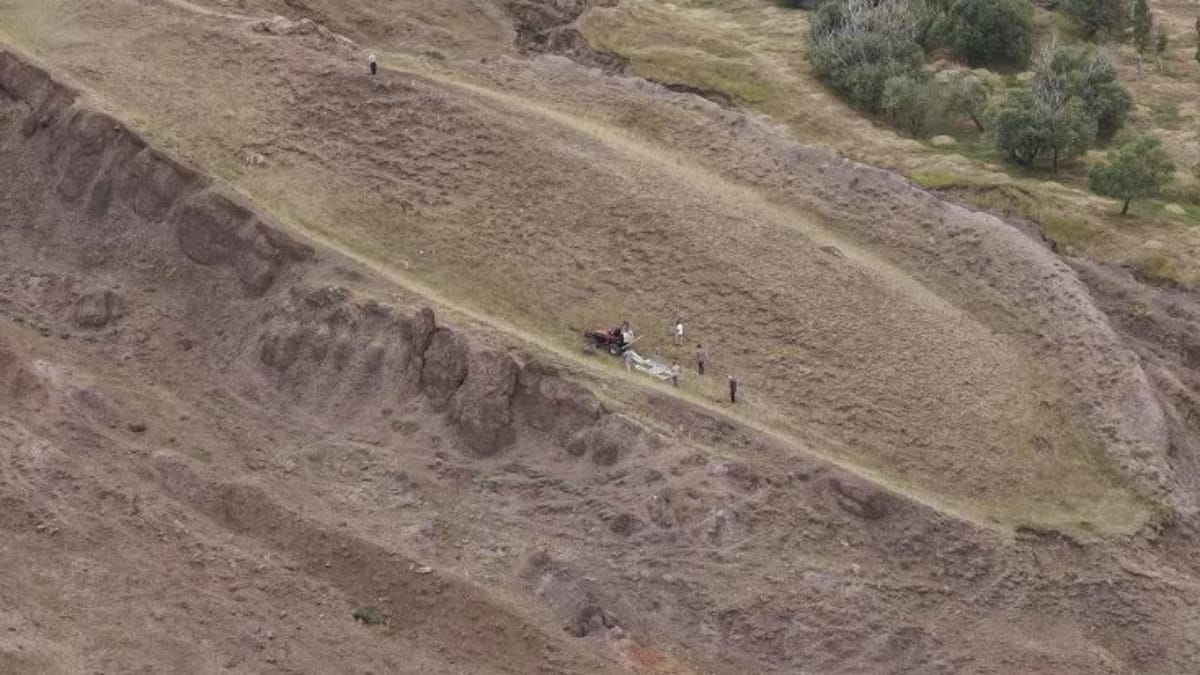
Durupinar is a large, boat-shaped geological formation first spotted from the air in 1959, situated approximately 30 kilometers from Mount Ararat. Its shape and dimensions have long fueled speculation, particularly among those who note similarities between its size and the measurements described in the Book of Genesis. Until now, however, no conclusive proof has emerged that the formation is an ancient vessel.
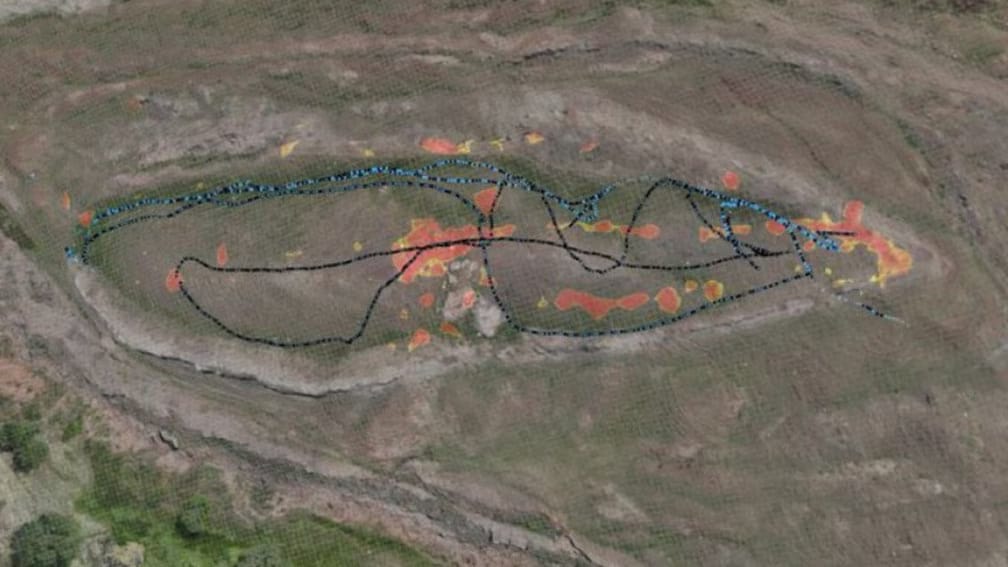
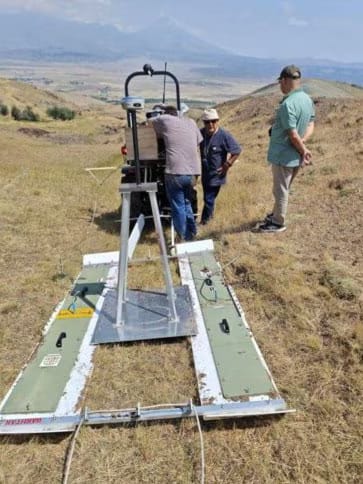
The renewed interest stems from recent ground-penetrating radar (GPR) surveys, a technology designed to identify subsurface structures without excavation. According to researchers, the scans appear to show chambers with straight lines and 90-degree angles, along with an internal structure divided into multiple levels. Project members find these features particularly intriguing because the biblical description of the Ark mentions a three-level construction.
Soil testing was also conducted both inside and outside the formation. Research team members report that samples taken from within the boat-shaped area contained higher levels of carbon and organic material, along with differences in acidity and potassium concentrations. The researchers suggest these findings could be consistent with prolonged decomposition of organic matter, possibly wood, though there is currently no proof the material originated from an ancient ship.